
Hand dryer noise levels
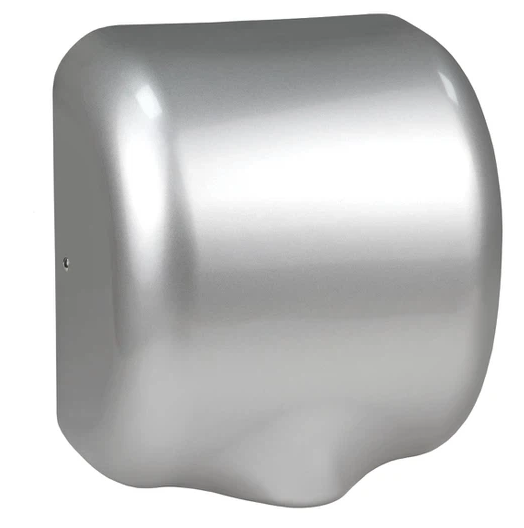
If you have ever used a hand dryer in a toilet and thought ‘that sounds loud’ then you are correct.
Key points: Hand dryer noise
Noise levels are usually high, in some cases extremely so, exceeding 100 dB(A).
Some of them are loud enough to receive an entire day’s safe noise dose in as little as five minutes of cumulative use in a day.
That is still longer than someone would ever actually use one for though.
Back in the 80s and 90s, toilet hand-dryers were anaemic things which gently puffed tepid air at you with all the enthusiasm of an asthmatic 80 year old smoker, but that changed to mini tornado machines we mostly have now.
I pull this information together only for interest rather than because it is a noise risk at work. While the noise levels of these toilet hand dryers are high, the exposure duration is so short in any one day that the noise is not going to be a problem.
| Make / Model | dB(A) Average | dB(C) Peak |
|---|---|---|
| ATC Puma High Speed | 92 | 110 |
| ATC (no model ID) | 99 | 119 |
| Air Fury | 97 | 125 |
| AnyDry | 87 | 103 |
| Dyson Airblade | 96 | 124 |
| Dyson Air Blade | 105 | 128 |
| Gorillo Ultra | 82 | 97 |
| Heatstore Tornado | 97 | 122 |
| MaxBlast | 103 | 122 |
| Mitsubishi Air Towel | 90 | 122 |
| Plain, unbranded | 102 | 118 |
| PHS El1100 | 94 | 127 |
| Warner Howard EL1100 | 93 | 122 |
| XL Air Suprema | 88 | 103 |
Noise levels are dB(A) average levels and dB(C) peak noise levels measured in normal use.
Noise levels will vary, even between the same make and model, depending on the health of that particular unit, or even how a person moves their hands under it.
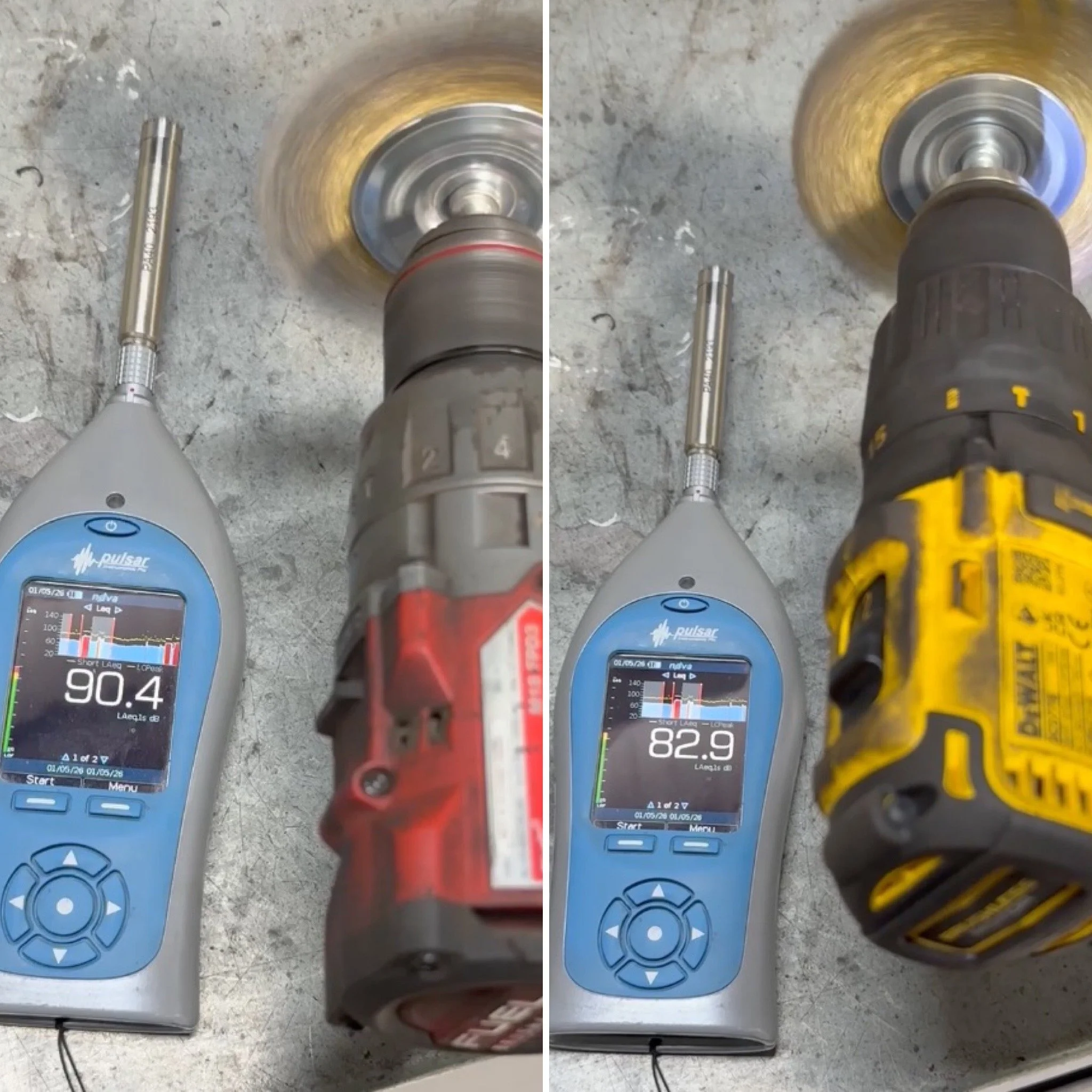
For the noise nerds, these are measured using a Pulsar Model 45 noise meter.
More noise safety information



Article last updated May 2026