Noise safety training requirements following a noise assessment
Key points for noise safety training requirements at work
The Control of Noise at Work Regulations 2005 (the Noise Regs) are very prescriptive on what the training must contain and lay out a specific syllabus. This is within the actual text of the Regulation, not just accompanying guidance.
Training is needed for any employee who regularly has a daily exposure of 80 dB(A) or 135 dB(C), or over.
Training must cover why noise is a risk and what it does to hearing, what is being done at work to control noise, what the legal limits are and what the noise levels are in the workplace, all about hearing protection such as types, when it is needed and how to use it, how to identify hearing damage from too much noise and information on things like health surveillance programmes.
A noise assessment will measure your noise risk levels, and anyone who has a noise exposure of 80 dB(A) or 135 dB(C) or more has to be included in a noise safety training programme.
Noise training for employees is a lot more than giving hearing protection out and telling them when to wear it and the HSE are very specific on what the noise safety training provided by employer should include.
It is worth flagging that this does not have to be done in one-hit. You could choose to do it in one session but could also break it down into separate chunks of information in smaller batches. What is important is that you record when it was done, why was covered and who was included in it.
While a lot of the HSE’s statements on noise safety are given in the guidance to the regulations, the requirement for training and the content of it is in the regulation itself, (Regulation 10) meaning employers must follow it. The mandatory training elements are:
Regulation 10 - noise safety training
2(a) Nature of the risks
What noise does to hearing, why it is a problem. Explaining to them how noise damages hearing.
2(b) Organisation etc measures
What is being done to control risks by means other than hearing protection, so things like any job rotation, physical controls such as enclosures around certain machinery, choice of low-noise cutting heads, maintenance routines, etc.
2(c) Exposure limits
They need to be told about the 80 dB(A) and 85 dB(A) limits, and what they mean.
2(d) Noise risk assessment findings
What the key noise risk levels are on the site - the main bits from the noise assessment about how loud it is.
2(e) Hearing protection
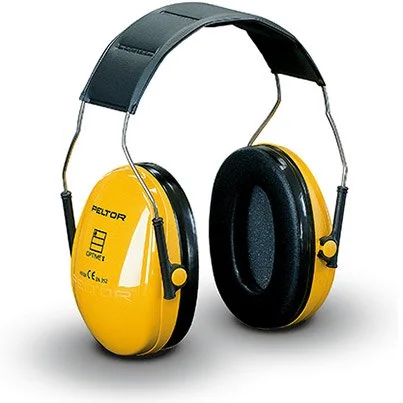
The availability of hearing protection –types are available and the benefits of each. This must also include the safe use of them – how to fit and wear them and problems with things like hats, long hair, glasses, etc, along with where to get replacements, cleaning, where to store reusable protectors, checking them over and reporting problems.
2(f) Signs of hearing damage
How they can tell if their hearing is potentially getting damaged by noise and who to report it to.
2(g) Health surveillance
Telling them that anyone regularly exposed to levels over 85 dB(A) will be included in an audiometry programme and what that means.
2(h) How to control their exposures
For example, not removing hearing protection in high noise areas or correct use of a noise safety measures taken (e.g. always operating machines closed to enclose noise).
2(i) Audiometry results
If you have anonymous stats from previous tests these should be included.
FAQ: Employee noise safety training
If I tell employees where to use hearing protection and issue it to them, is that enough?
No, the mandatory training is a lot more than that and it must meet the syllabus as outlined in the Noise Regs and above.
If I training people in their Induction as a new starter, is that enough?
If you cover off the entire mandatory syllabus, then it would be, for a while anyway. Be aware that noise training is not a one-off and does need to be repeated though.
Do I have to tell employees that our noise levels are over the legal limits?
Yes, you have to tell them what the limits are and what the noise levels are which they may experience.
More help and advice on managing noise risks at work
A noise assessment does need to be reviewed or repeated from scratch sometimes, but you don’t always have to get someone in to do it. This is guidance on when to review a noise assessment or get a new noise assessment done.
In a noise assessment, it is common to hear a comment along the lines of ‘we’ve given them hearing protection and told them to wear it, so what else can we do’, but that is not the end of the employer’s obligations for hearing protection.
Noise survey vs noise assessment vs noise risk assessment - what do they all mean, what is the difference between them and what do employers need to have in place?
Most hearing protection does have a set life expectancy and will ‘expire’ after a set time, even if not in use. A typical shelf life for hearing protection is five years, or lower for more budget options. This is how long hearing protection can last for before needing to be replaced.
In a noise assessment you will see a few different types of noise data presented and it can seem a little baffling. Noise is measured in decibels, but not all decibels are the same, that would be far too easy.
A common recommendation from Occupational Health Physicians is ‘recommend wear double hearing protection’. What they are saying is that the person concerned wears two sets of hearing protection but this often has no link to the findings of the noise assessment.
A need for hearing protection is a common outcome of a noise assessment or a noise survey but how do you choose the right hearing protection for your noise risk, especially as 'strongest is best' is usually not the case.
The UK’s Noise Regs require anyone who is regularly exposed at work to a daily noise level of 85 dB(A) or above, or who meets the 137 dB(C) peak limit or above, to be included in a hearing health surveillance programme, or as it often more colloquially called, hearing testing. Getting the right people involved is important.
Despite ear plugs having quite a low per-pair cost, that cost can soon mount up and it is tempting for employers to limit how many pairs people can use in a given period, or the employees themselves choose to reuse them, but this is not always a good approach and can also be a false economy.
Now that is a good question, the Noise Regs require an employer to do a noise assessment if they think there is a noise risk, but how do you know you have a noise risk without doing a noise assessment…?
Manufacturers of tools and equipment have an obligation to make data available on the expected noise level for their product. The HSE latch on to this and list this as a source of information which employers could use in deciding if there is a noise risk in the workplace?
Sometimes the best way to appreciate how too much noise can damage hearing is to listen to the effects. This goes through various levels of hearing loss due to noise, applying filters to a piece of music to show how it impacts on clarity as well as volume.
Loop have emerged recently as one of the new entrants in the hearing protection market, with a lot of their marketing focused on social media. There are a lot of these types of company popping up these days but in Loop’s case their claims for their ear plugs are intriguing, so I decided to give a couple of styles a try.
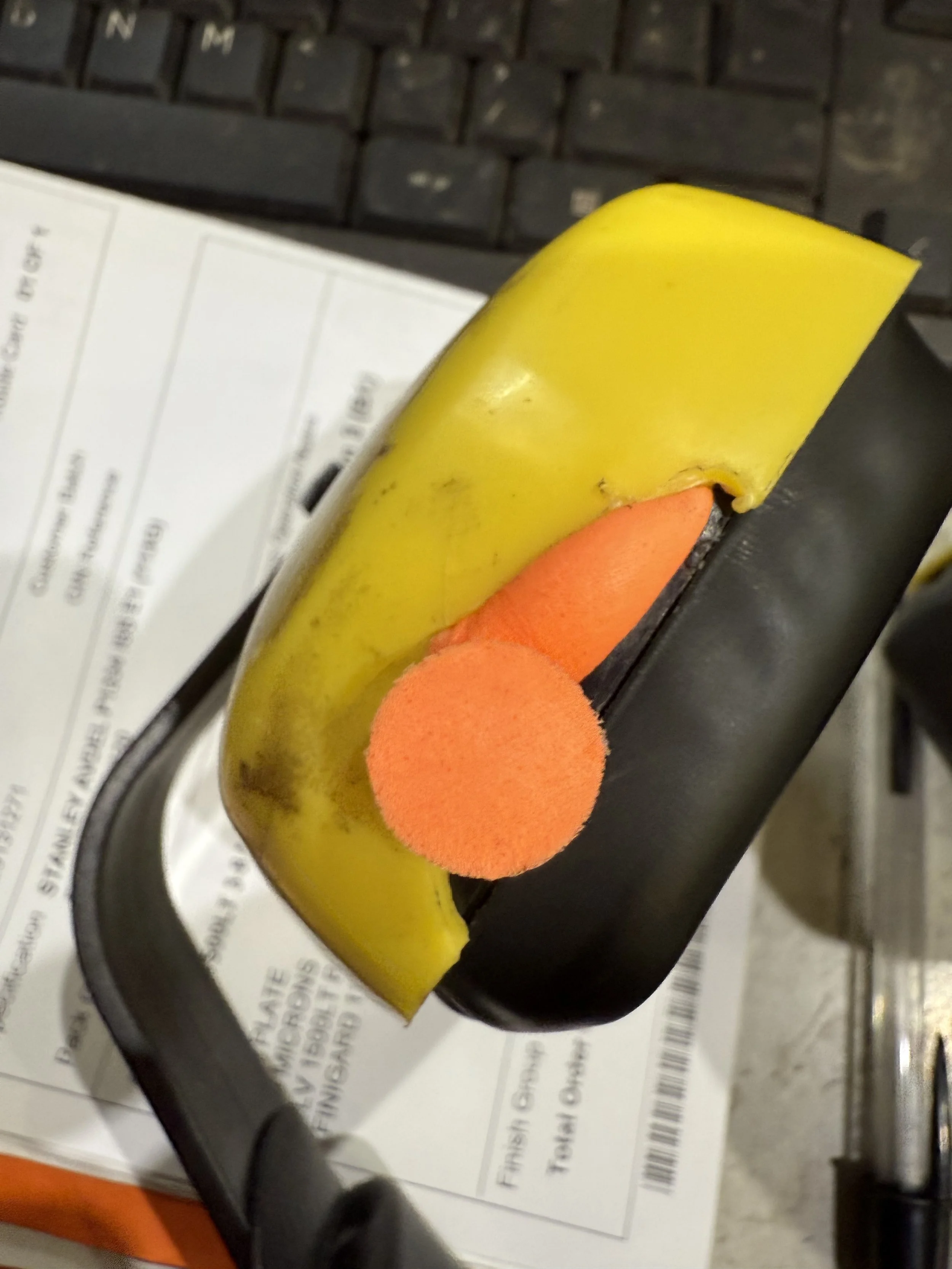
When it comes to noise assessments, managing noise risks and issuing hearing protection, employers need to monitor and enforce usage but also importantly have a system in place for checking the hearing protection is still suitable for use and is not deteriorating or damaged.
Over-protection often comes from well-meaning employers buying the strongest hearing protection they can find - hearing protection with the highest SNR. They mean well but it often actually increases risk and for the employer, means more of the money they spend on hearing protection is wasted.
A common issue following a noise assessment concerns people who wear hearing aids but who also work in a high noise area so fall into the requirements for hearing protection to be worn. This is some advice on how to manage it.
Hearing protection comes in a very wide range of prices, but is price consistent with ‘better’ hearing protection?
A noise assessment will measure your noise risk levels, and anyone who has a noise exposure of 80 dB(A) or 135 dB(C) or more has to be included in a noise safety training programme. The HSE are very specific on what the noise safety training provided by employer should include.
Stereos at work can be important for employees, but when can you have stereos and when should they not be permitted, and how loud should stereos be at work?
How a noise assessment works on the day - what a client can expect. Covering everything from arrival on the site to measuring the noise levels and what a client needs to do.
There are two basic types of noise meter, hand-held and wearable, (also called dosimeters or dosimeters). Wearables have a use but care is needed with them, especially if they are going to be used as the primary means of gathering data in a noise assessment.
A common question is how long a noise assessment will take on a site. It is influenced by a few things such as variation in work on the site, production cycles and number of people present. These are the factors influencing how long a noise assessment takes place on the day.
Can someone use noise cancelling headphones in place of hearing protection in a high noise environment? Short answer is no, not if there is a noise risk as they are not certified as hearing protection.
Employers must manage noise risks in their workplace, but what they need to do depends on how loud it is. This describes what is needed depending on the findings of a noise assessment.
Often people offer to sign a disclaimer saying they accept the risk of hearing damage from not wearing protection, or they produce a letter from a doctor saying they do not have to wear it, but both are no good.
The short answer is no, illuminated noise safety signs are not useful, and in many cases simply mislead. They have no part in a noise assessment. The article explains more about why this is the case.
Sometimes people will say using ear plugs causes them to get ear infections, but do ear plugs actually cause infections? Short answer, no. Dirty hands putting them in, that can cause an infection, but not the plugs themselves.
One of the grey areas of noise safety is noise exposure while driving for work. By drivers I mean anyone driving as part of their job so the obvious ones like van or HGV drivers, but also driving around in a car or van - managers on site visits, sales reps, any person driving between sites or to customer sites, etc.
Article last reviewed April 2026
Website and blog articles written by Adam, The Noise Chap - an independent occupational noise assessor with over 30 years of experience, holding the IoA Certificate of Competence in Workplace Noise Assessment, the NEBOSH Diploma, certified in screening audiometry and a member of the British Society of Audiology.