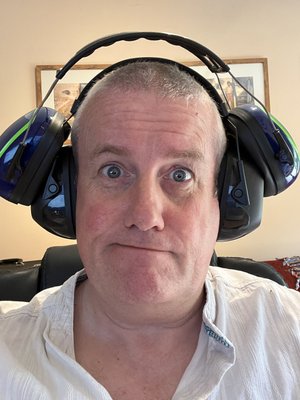

Requirements for checking hearing protection condition
Key points: Employer monitoring of hearing protection condition
Under the Control of Noise at Work Regulations 2005 employers have a duty to ensure hearing protection is used as required and remains suitable for use.
This applies to all reusable hearing protection, whether plugs or ear muffs / ear defenders.
Correct use of the hearing protection needs to be monitored and enforced.
A system needs to be in place to make sure they are clean and in good condition.
If showing signs of wear or damage they must be repaired if possible (e.g. new cushions on ear muffs) or replaced.
How this is done should be detailed in the employers Noise Risk Assessment.
Hearing protection also has an expiry date which needs to be managed.
When it comes to noise assessments, managing noise risks and issuing hearing protection, an employer’s responsibilities don’t end with giving out the hearing protection and telling people when and where to wear it. The Control of Noise at Work Regulations 2005 also include a specific requirement to monitor and enforce usage and importantly in this case, have a system in place for checking that the hearing protection is still suitable for use.
The idea of checking hearing protection seems a little over the top to many employers but it is something which is needed.
From experience, the main issues with checking ongoing condition of hearing protection rests mostly with ear muffs / ear defenders rather than ear plugs.
Condition of ear defenders / ear muffs
Ear muffs do not last forever and do degrade over time. This is where cost of the muffs can come in - for example the Moldex M2 muffs cost about £12, while the Portwest PW40 cost about £3, but both have exactly the same SNR. They each reduce noise by the same amount but the Moldex one will in all likelihood last a lot longer than the Portwest.
(Given people inevitably lose muffs and otherwise damage them, there is nothing wrong with the Portwest ones by the way - a lot of people will probably damage them long before they deteriorate naturally.)
The main issue to look out for is the cushions around the cup of the muff getting harder and becoming brittle. That can cause the seal to be less effective and more noise is then let through. Alongside that, as they become brittle they can start to crack and break up, again letting more noise through.
The muffs at the pricier end of the scale often have replaceable cushions so you don’t need to buy new muffs every time the cushions start to degrade. Moldex for example sell a ‘Hygiene Kit’ for those M2 muffs which is just the surrounding cushions and internal foam and that is commonly something around £4 online.
Also check for cracks in the shell, or whether the cups are hanging more loosely than they should be.
People do modify ear muffs
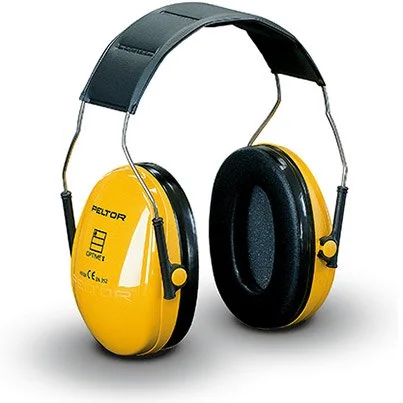
Moldex headband, 3M cups
Modification of ear muffs is also something employers should be looking for during regular checks. As some examples:
In a timber mill, staff decided they didn’t like the tightness of the muffs on their heads so they had put the headband through the bandsaw and then gaffer-taped them back together so they were nice and loose. Unfortunately that made them no good as hearing protection as that tension is important.
In another factory, someone had taken a Moldex headband but fitted 3M Peltor cups to them, again negating any certification. When obtaining certification for their effectiveness, the combination of the headband and cup work together.
More examples of issues with ear muffs
Randomly checking the condition of hearing protection is something I do on noise assessments and over time you do come across issues. Older muffs with hard and cracked cushions is quite common, as are cracked outer shells where they have been hit or dropped. The shell is an integral part of the muff so if it is broken they will be less effective.
Brittle and cracked cushions
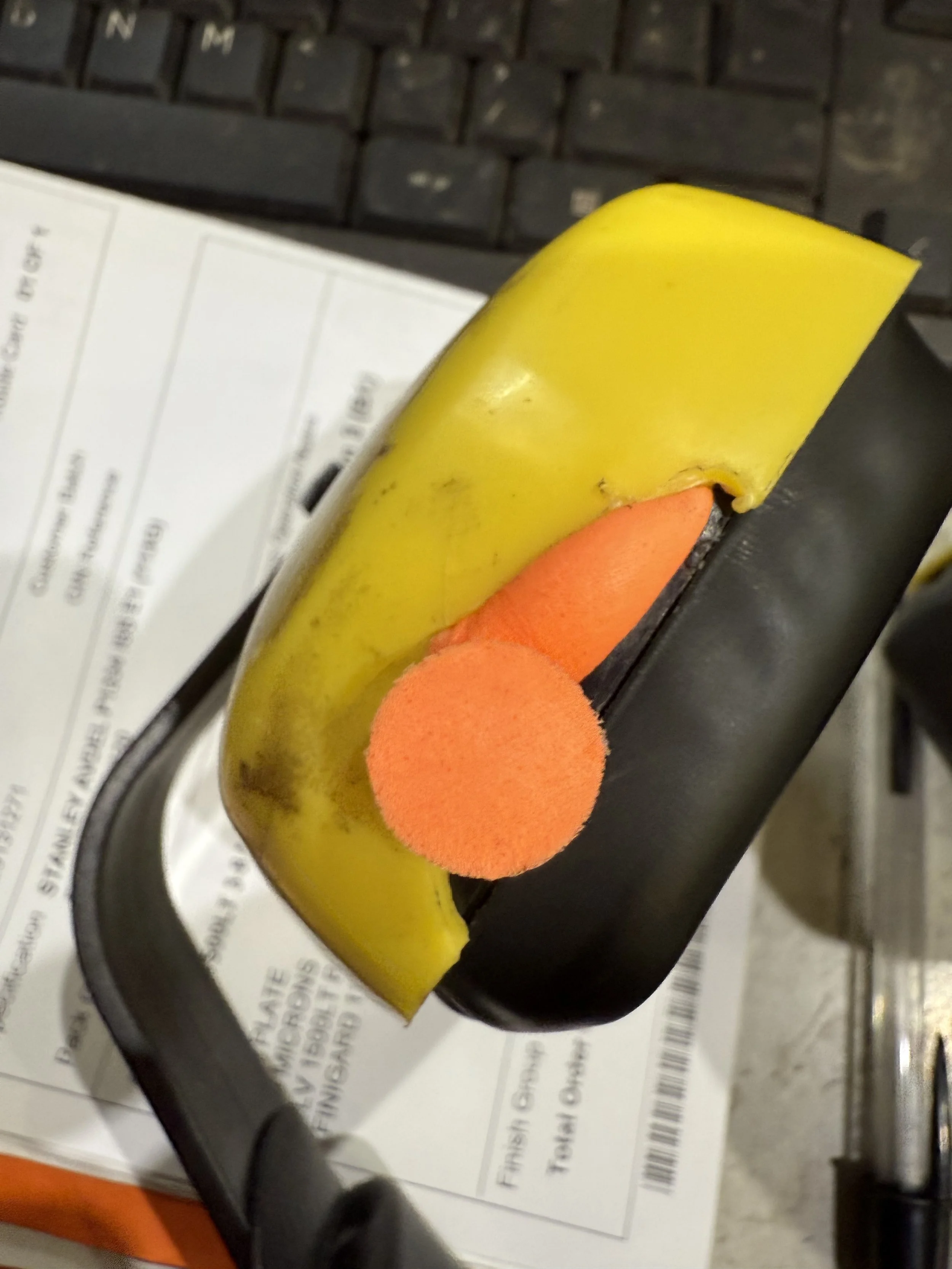
Ear muffs with a broken shell, with two ear plugs stuffed into the hole
Ear muffs which are clearly unused.
Ear muffs need to be clean enough to use
Condition of banded ear plugs
The most consistent issue here is always the changeable plug element on the end. These must be changed regularly and not allowed to become dirty.
These are some banded plugs I came across on a noise assessment, surely nobody wants to put these in their ears?
3M say the tips ‘should be changed when they become dirty’. I think these have definitely met that criteria.
Summary: What should employers be monitoring with hearing protection?
Check ear muff cushions are not cracked, hard or brittle.
Check the shells of ear muffs to ensure they are not cracked or broken.
Check the muff or reusable plugs are clean enough to be used.
Make sure the headband is still as strong as it should be.
Check they are still within their expected life expectancy.
Check they have not been otherwise modified or altered.
FAQ: Employer requirements for monitoring hearing protection
An employer has issued hearing protection and told people where to wear it, is that enough?
No, the same duty which requires it to be issued and people told where to use it also says employers need to monitor usage to ensure it is actually being used and used correctly, and that it remains in good enough condition for its purpose.
What are the problems with ear muffs or ear defenders?
Usually it is focused around the cushions getting more brittle over time, causing folds or them not to seal around the ear properly, or even to crack. For some models, the headband may start to get looser meaning less noise attenuation.
Hygiene is also important - ears are warm and moist. Hearing protection by default does not cause ear infections, dirty hearing protection can.
What repairs can be done for ear muffs?
On cheaper models, often nothing as they are glued together. For a little more expensive ones the manufacturers sell kits of new cushions and inner pieces of foam. With these replacement parts ear muffs can go on being used for a long time. This is the benefit of more expensive ones over the cheaper ones.
My ear muffs are ancient but look in good condition, can we keep using them?
As a general rule, the life expectancy of ear muffs is two to five years but some manufacturers do state longer in their official documents. Unless a longer life-expectancy is given, take that five year limit as the rule.
More information on managing hearing protection at work





Article last updated July 2026