


Advice on managing noise risks at work
A series of blog articles giving advice on managing noise risks in UK workplaces for compliance with the UK’s Control of Noise at Work Regulations 2005, from an experienced occupational noise assessor.
Managing noise risks at work, all about noise assessments, selecting hearing protection and issues experienced with hearing protection, training and legislative needs, health surveillance issues and how to practically manage it..
Noise assessments ● Noise surveys ● Hearing protection ● Health surveillance ● Noise Training
For a specific subject area, try the search box
Short subject-specific advice on various aspects of managing noise safety at work.
All advice and articles are written by me, The Noise Chap, a specialist noise assessor with over 30 years of experience in workplace noise assessment, including 20+ years now as a noise assessment consultant working in all industries across the UK.
I hold certification of competence in workplace noise assessment from the Institute of Acoustics, the NEBOSH Diploma and am certified in workplace hearing testing and a member of the British Society of Audiology.
The articles cover the noise assessment process itself and how to manage various aspects of managing workplace noise risks, including health surveillance and hearing protection, delving into very specific questions such as hearing protection for workers with pre-existing hearing losses, and including practical advice and examples to help employers comply with the Control of Noise At Work Regulations 2005.
All content is based on UK law and on the HSE’s L108, Controlling Noise at Work (Third Edition).
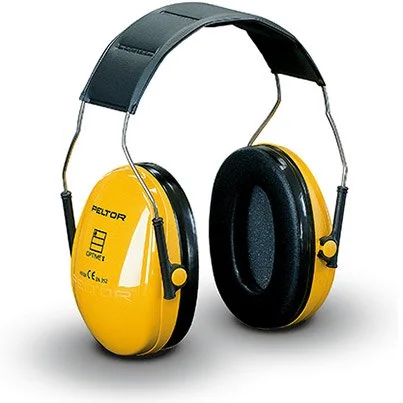
How long does hearing protection last?
Most hearing protection does have a set life expectancy and will ‘expire’ after a set time, even if not in use. A typical shelf life for hearing protection is five years, or lower for more budget options. This is how long hearing protection can last for before needing to be replaced.
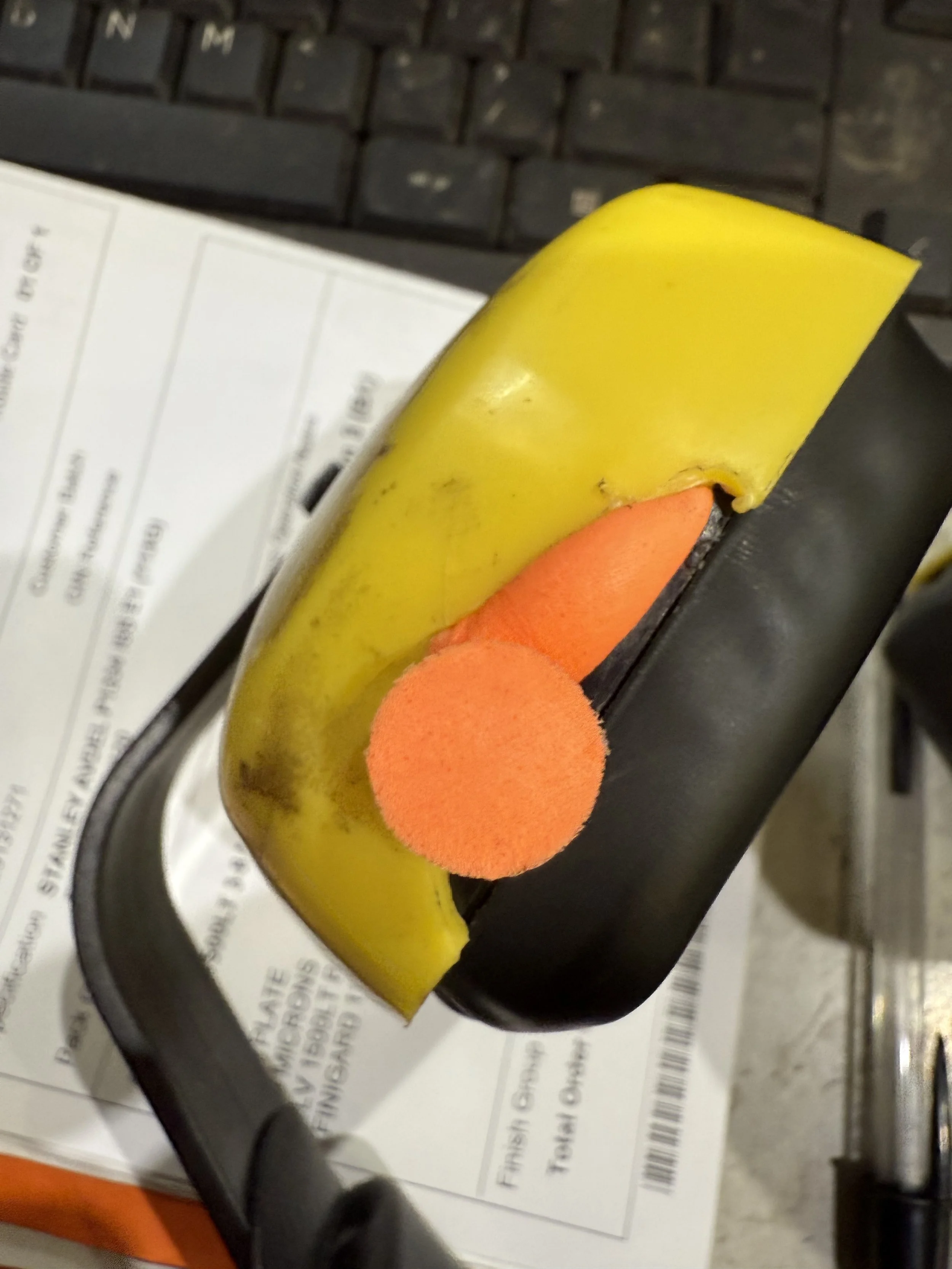
Requirements for checking hearing protection condition
When it comes to noise assessments, managing noise risks and issuing hearing protection, employers need to monitor and enforce usage but also importantly have a system in place for checking the hearing protection is still suitable for use and is not deteriorating or damaged.
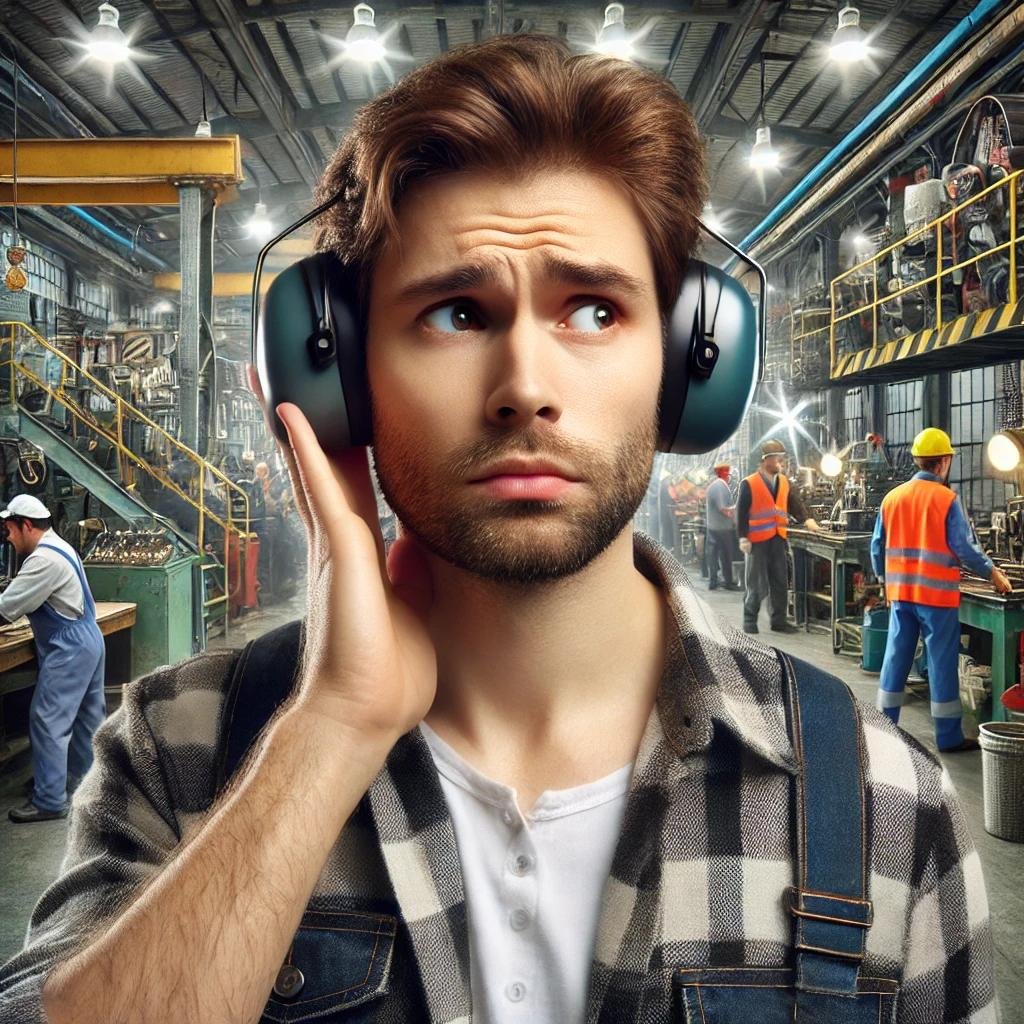
Over-protection in hearing protection - why stronger isn’t always safer
Over-protection often comes from well-meaning employers buying the strongest hearing protection they can find - hearing protection with the highest SNR. They mean well but it often actually increases risk and for the employer, means more of the money they spend on hearing protection is wasted.

Comparing methods for selecting hearing protection - SNR, HML and Octave Bands.
A need for hearing protection is a common outcome of a noise assessment or a noise survey but how do you choose the right hearing protection for your noise risk, especially as 'strongest is best' is usually not the case.
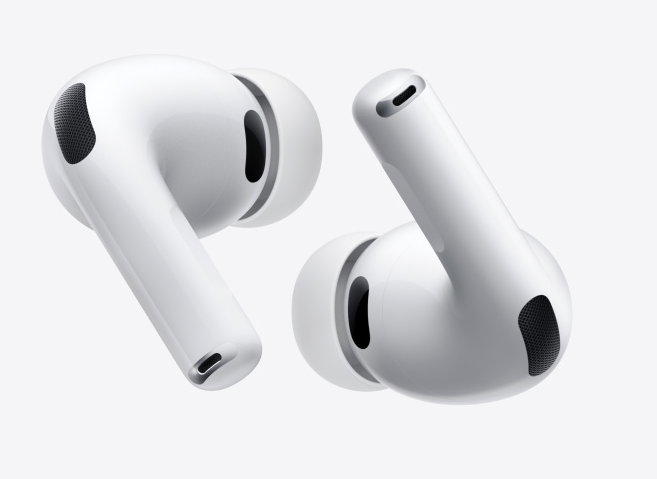
Apple AirPods Pro 3 as hearing protection at work
Apple’s AirPods Pro 3 and their EN 352 certified hearing protection function are a potential game-changer in terms of what is possible with hearing protection. This is an overview of their use as hearing protection at work in the UK, my thoughts on them after trying them on noise assessments, and a comparison to the current best-in-the-business for Bluetooth hearing protection, ISOTunes.
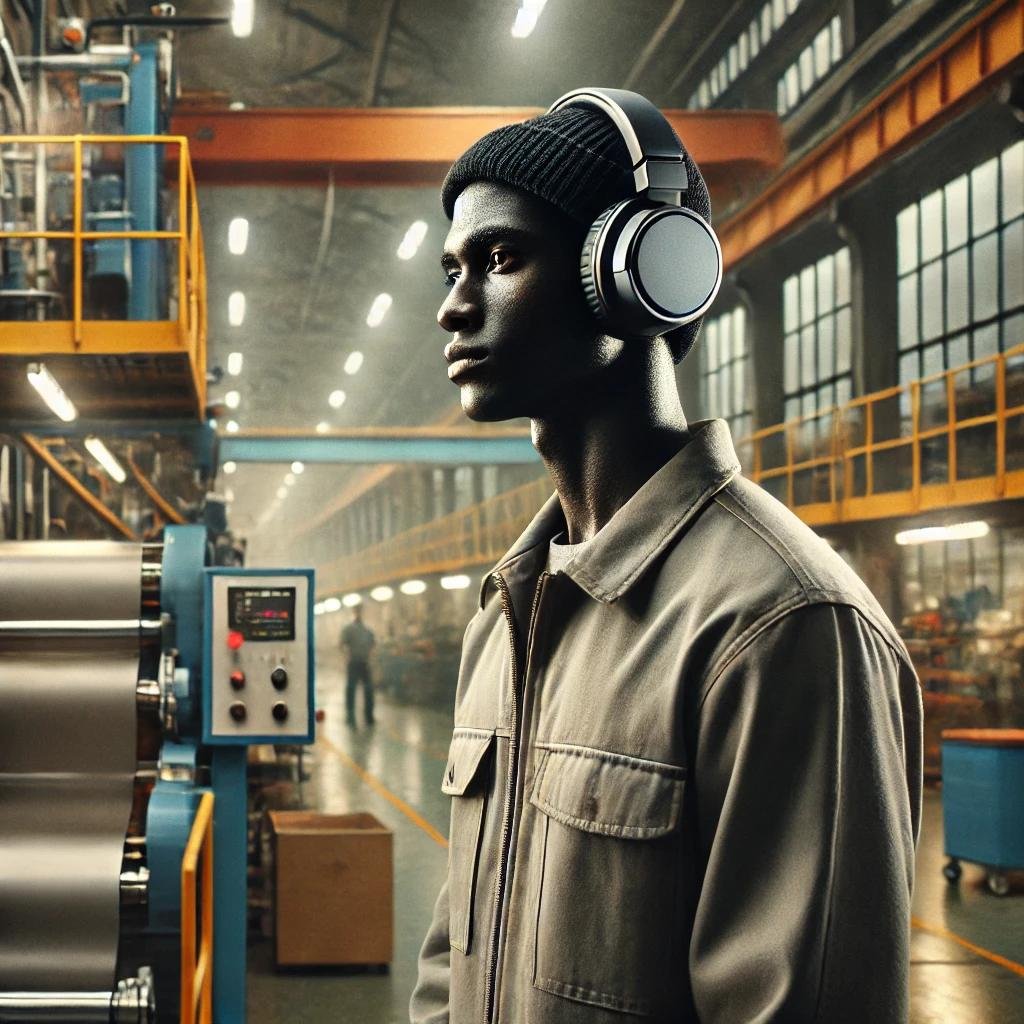
Can music headphones be used at work?
Can someone use noise cancelling headphones in place of hearing protection in a high noise environment? For most headphones, no, they cannot be used as hearing protection. An exception is the Apple AirPods Pro 3 which do have an EN 352 certified SNR.

Standards for hearing protection at work - EN 352 and its revisions
Hearing protection for use at work must be certified to EN 352. This is a dive into what EN 352 means, what the various revisions of it are and which ones are now defunct, and which are the current standards for hearing protection.

Are medical exemptions possible from a need to wear hearing protection?
It is common to hear someone claim a medical exemption from the need to wear hearing protection at work, sometimes backed up with a note or letter from a GP, or sometimes self-claimed, but are medical exemptions from the need to wear hearing protection possible?

What to do if someone refuses to wear hearing protection.
In a noise assessment, it is common to hear a comment along the lines of ‘we’ve given them hearing protection and told them to wear it, so what else can we do’, but that is not the end of the employer’s obligations for hearing protection.
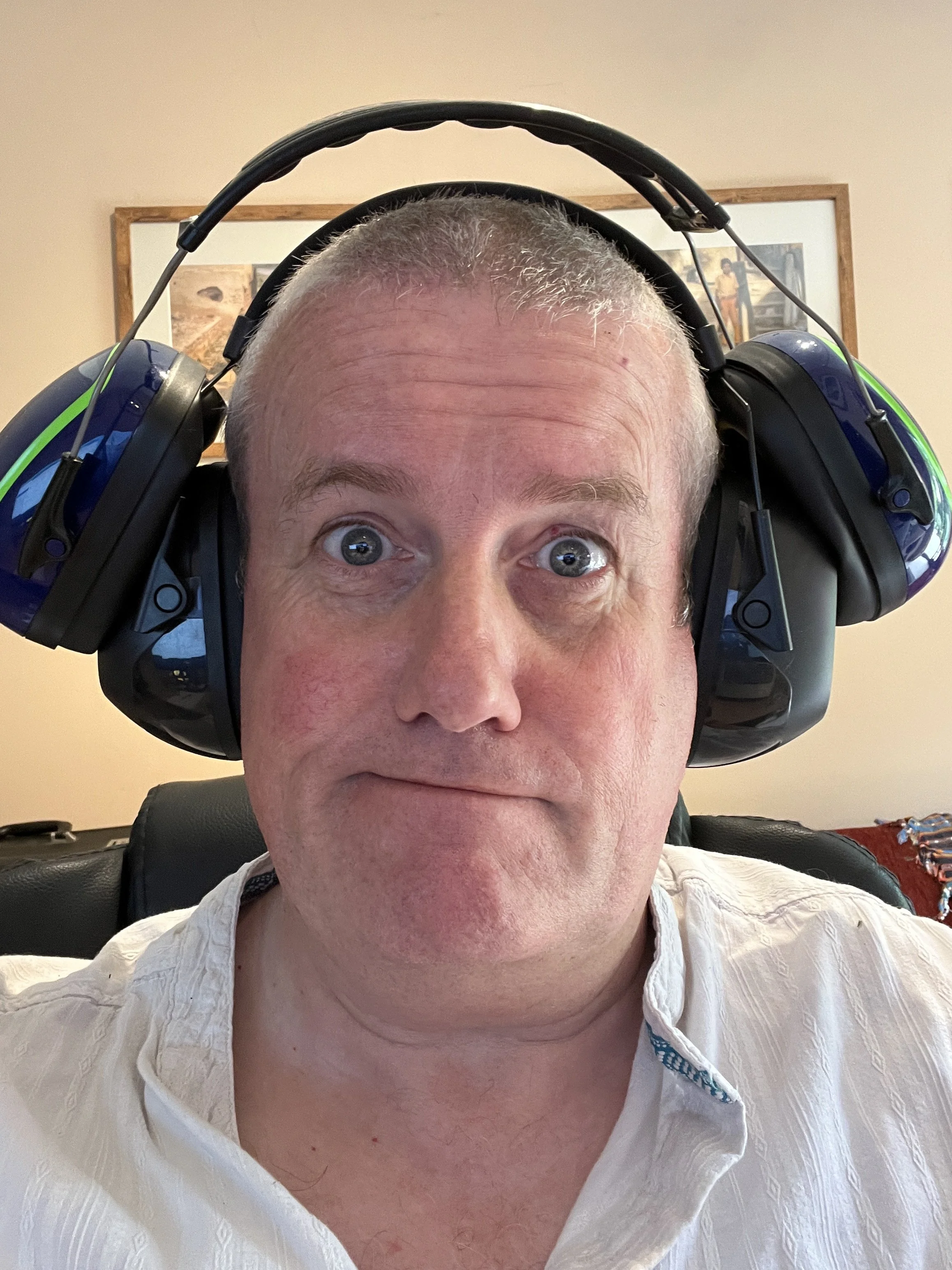
Wearing double hearing protection
A common recommendation from Occupational Health Physicians is ‘recommend wear double hearing protection’. What they are saying is that the person concerned wears two sets of hearing protection but this often has no link to the findings of the noise assessment.
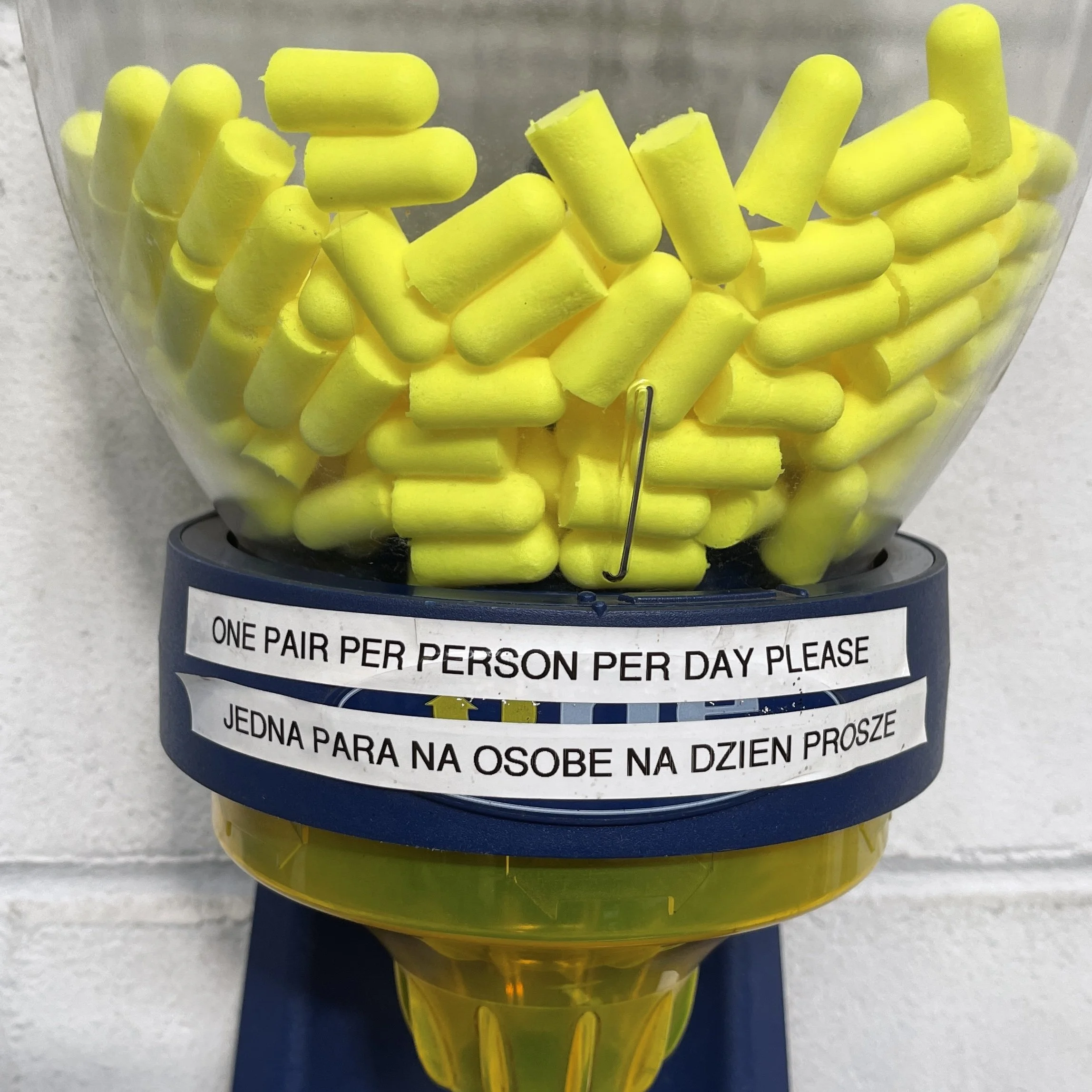
Reusing foam ear plugs multiple times
Disposable ear plugs have a low per-pair cost but that cost can soon mount up and it is tempting for employers to limit how many pairs people can use in a given period. This is not a good approach, cannot be done and is poor for safety.

Loop ear plugs as hearing protection at work
Loop have emerged recently as one of the new entrants in the hearing protection market, with a lot of their marketing focused on social media. There are a lot of these types of company popping up these days but in Loop’s case their claims for their ear plugs are intriguing, so I decided to give a couple of styles a try.

Hearing aid users and hearing protection in high noise areas
A common issue following a noise assessment concerns people who wear hearing aids but who also work in a high noise area so fall into the requirements for hearing protection to be worn. This is some advice on how to manage it.
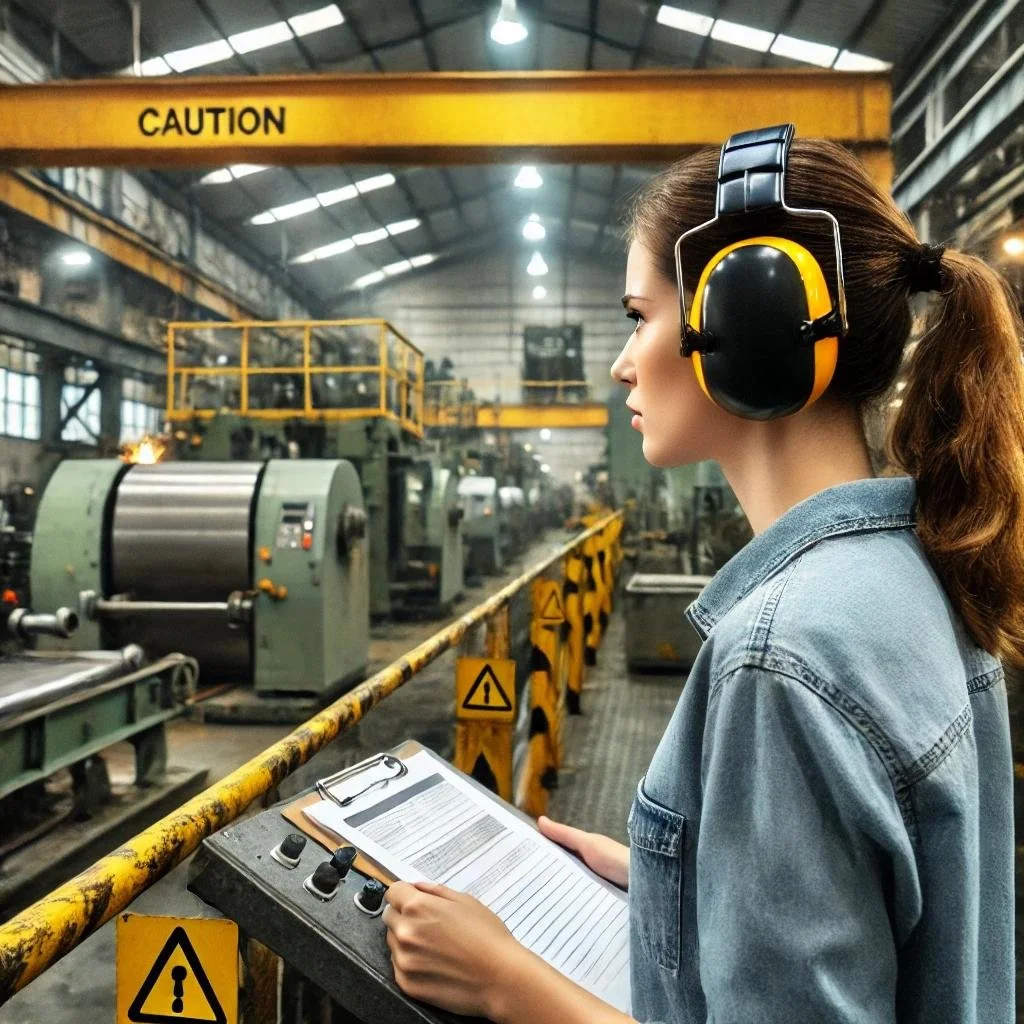
Is the price of hearing protection linked to how good it is?
Hearing protection comes in a very wide range of prices, but is price consistent with ‘better’ hearing protection?
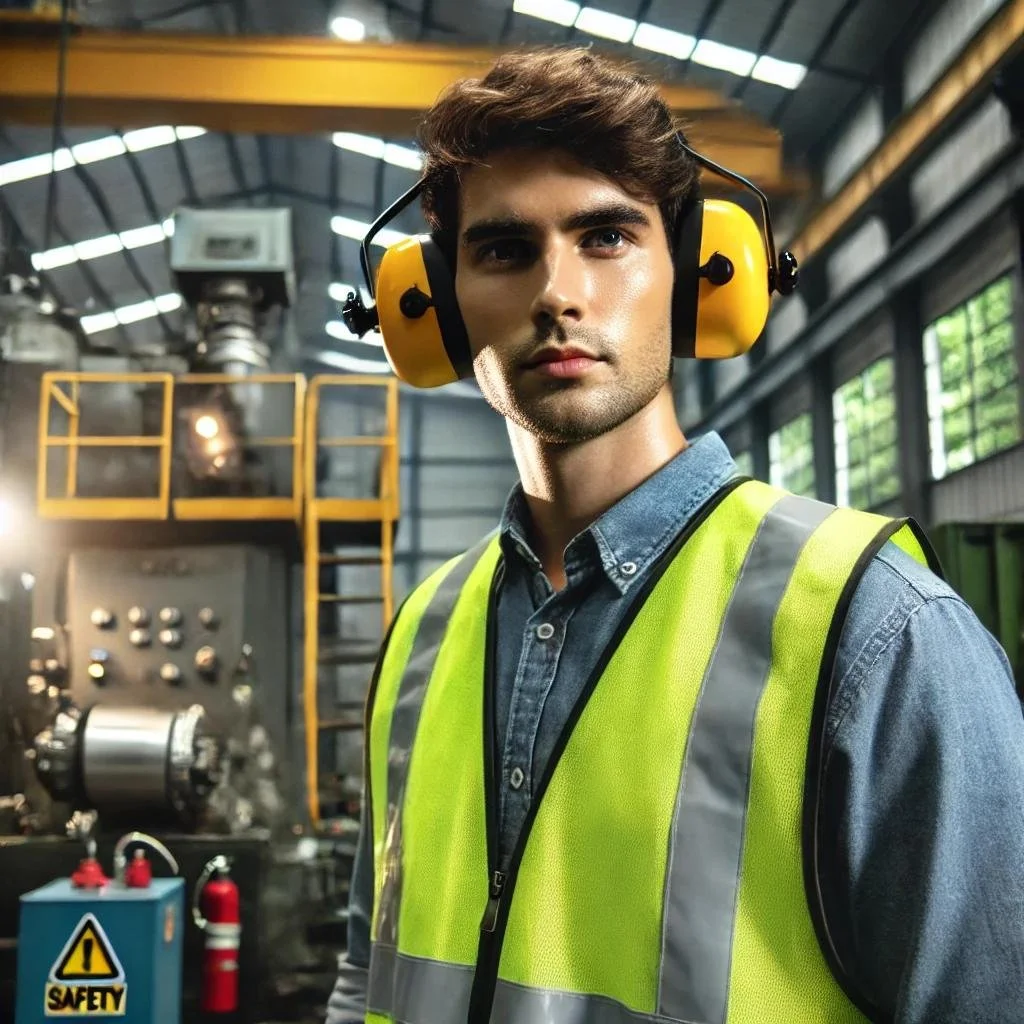
Can disclaimers be used to not wear hearing protection?
Often people offer to sign a disclaimer saying they accept the risk of hearing damage from not wearing protection, or they produce a letter from a doctor saying they do not have to wear it, but both are no good.
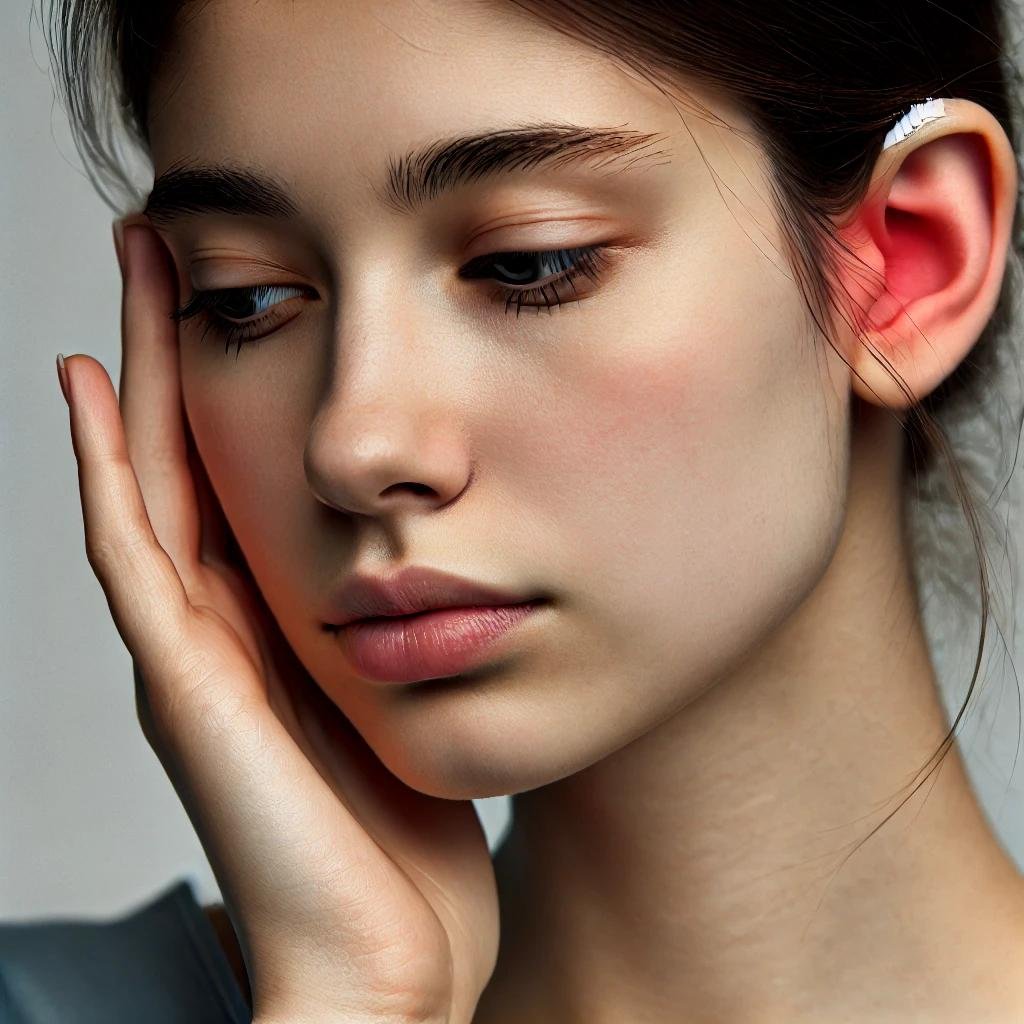
Do ear plugs cause infections?
Sometimes people will say using ear plugs causes them to get ear infections, but do ear plugs actually cause infections? Short answer, no. Dirty hands putting them in, that can cause an infection, but not the plugs themselves.

Do forklift drivers have to wear hearing protection?
There is no exemption from the need to wear hearing protection for forklift drivers. High noise will have the same impact on them as on any other person. Their hearing will still be damaged by noise.
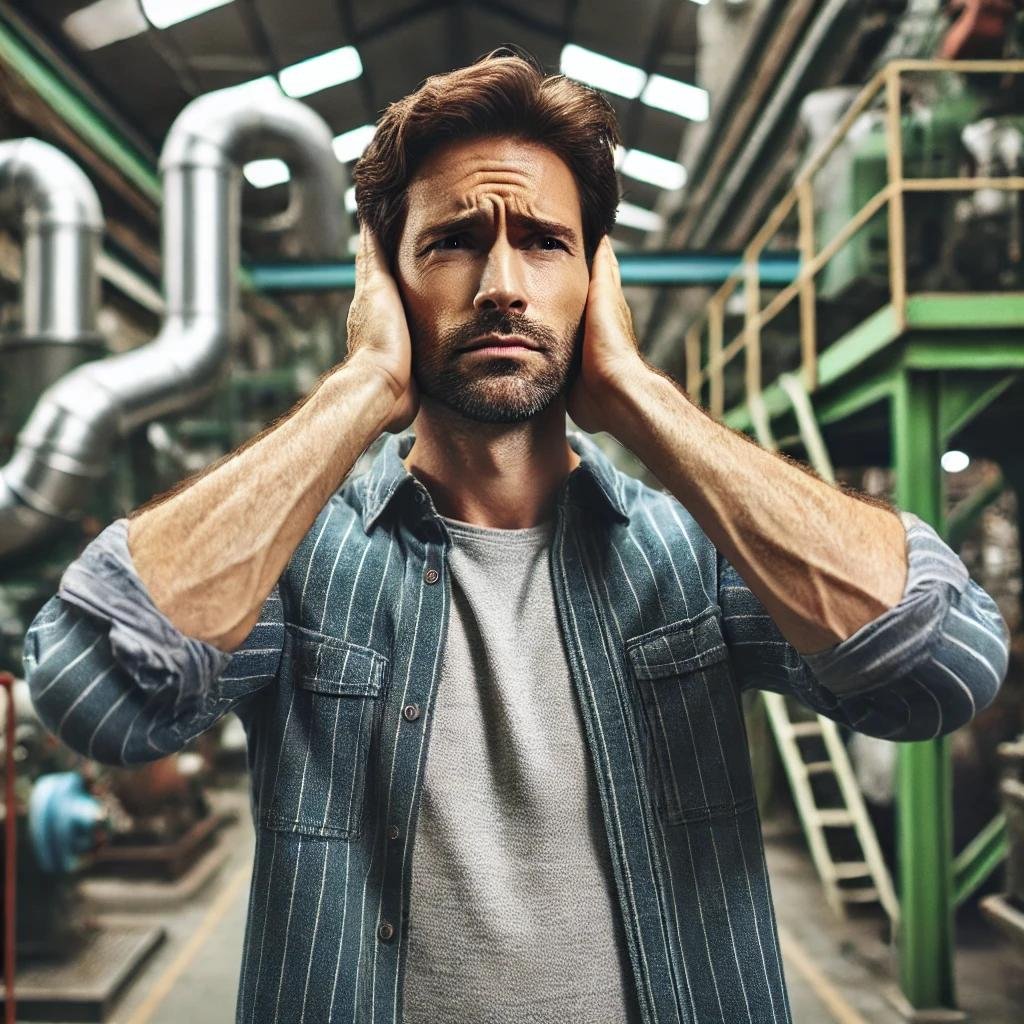
Can ear plugs cause tinnitus?
Can wearing ear plugs cause tinnitus when worn all day in a factory?