
Are medical exemptions possible from a need to wear hearing protection?
Sometimes a G.P. or H.R. may look to exempt someone from the use of hearing protection at work, but this is not possible to do if they are in a high noise area.
Key points on medical exemptions from the use of hearing protection
The HSE are very clear in L1018, Controlling Noise at Work (Third Edition) that there there are no medical exemptions from a requirement to wear hearing protection if there is a high noise risk.
This duty cannot be over-ruled by a G.P. or H.R.
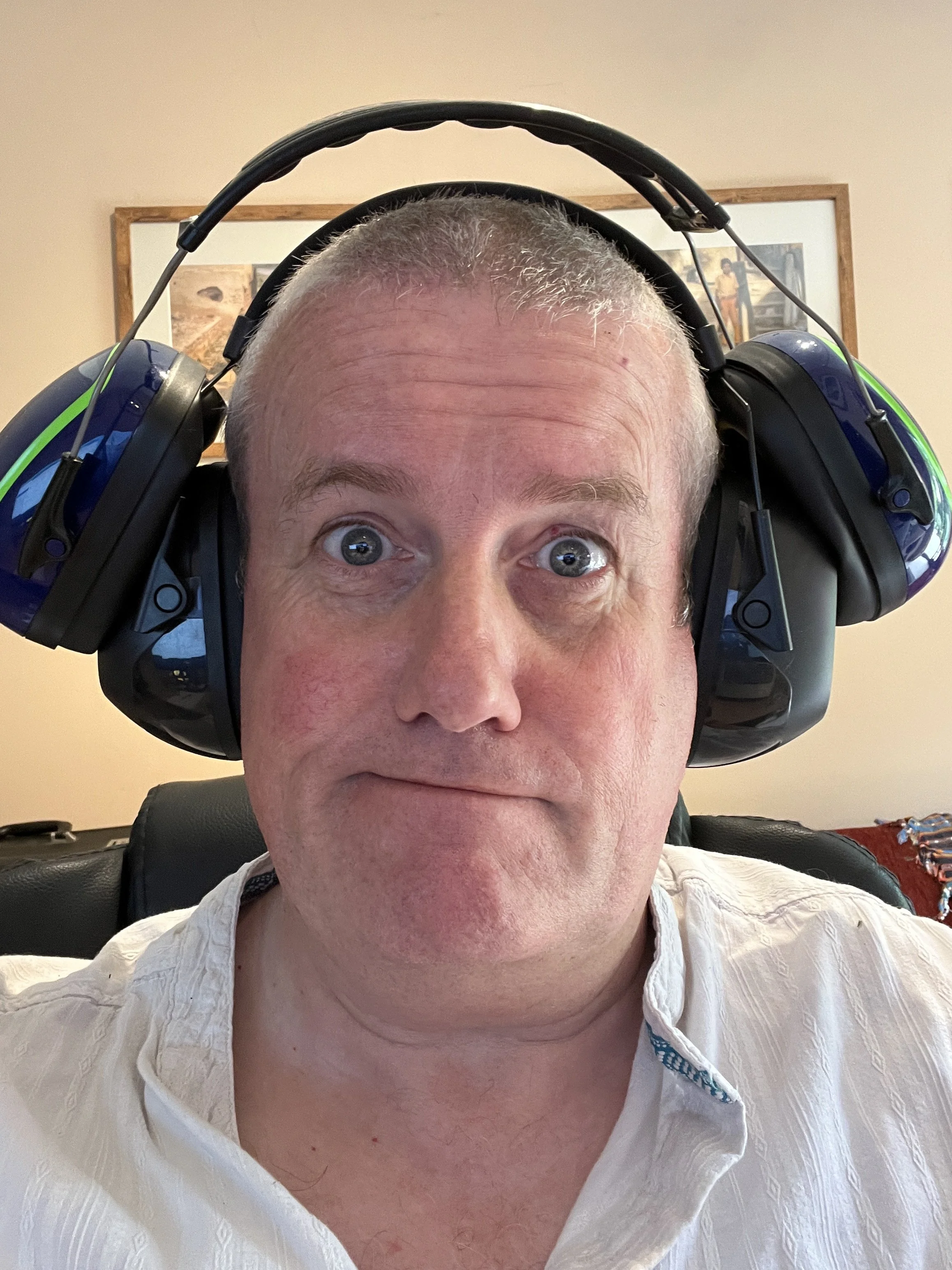
This means hearing protection has to be used, which is specifically something certified to EN352.
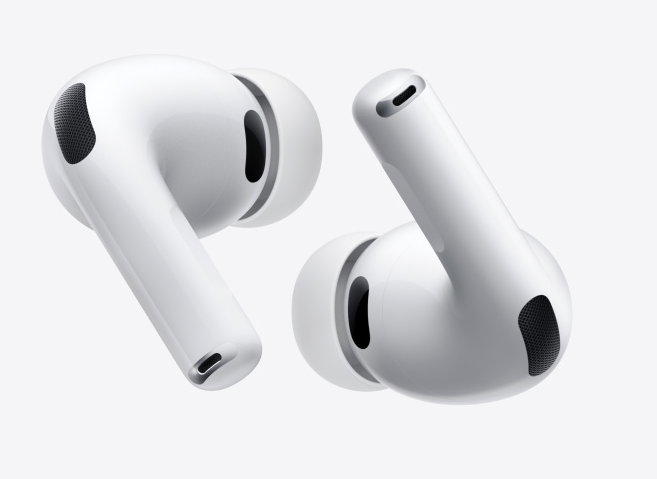
Standard music headphones (or ear buds) are not certified to that standard.
Only the HSE can grant exemptions which need to be in writing, are time-limited, and have to be issued to a company directly, not generally across a workforce.
They rarely do this and will only apply it where the hearing protection could introduce a significantly larger risk.
Types of claimed exemption from the need to wear hearing protection
These are many and varied, may come with a doctor or G.P. giving some kind of written exemption, may come from a perceived H.R. issue, or may be self-claimed, for example:
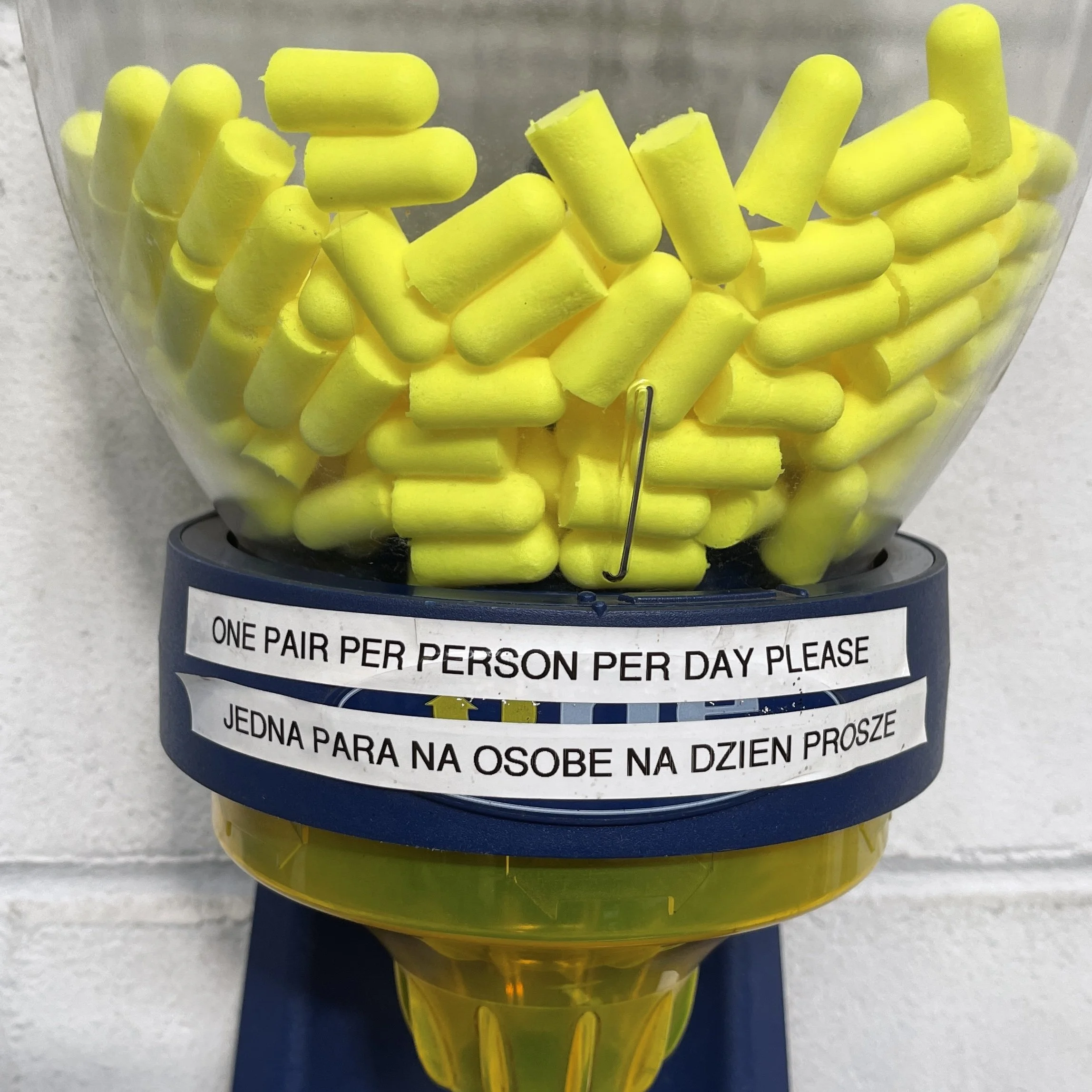
Ear plugs hurt my ear canals.
Ear muffs give me headaches.
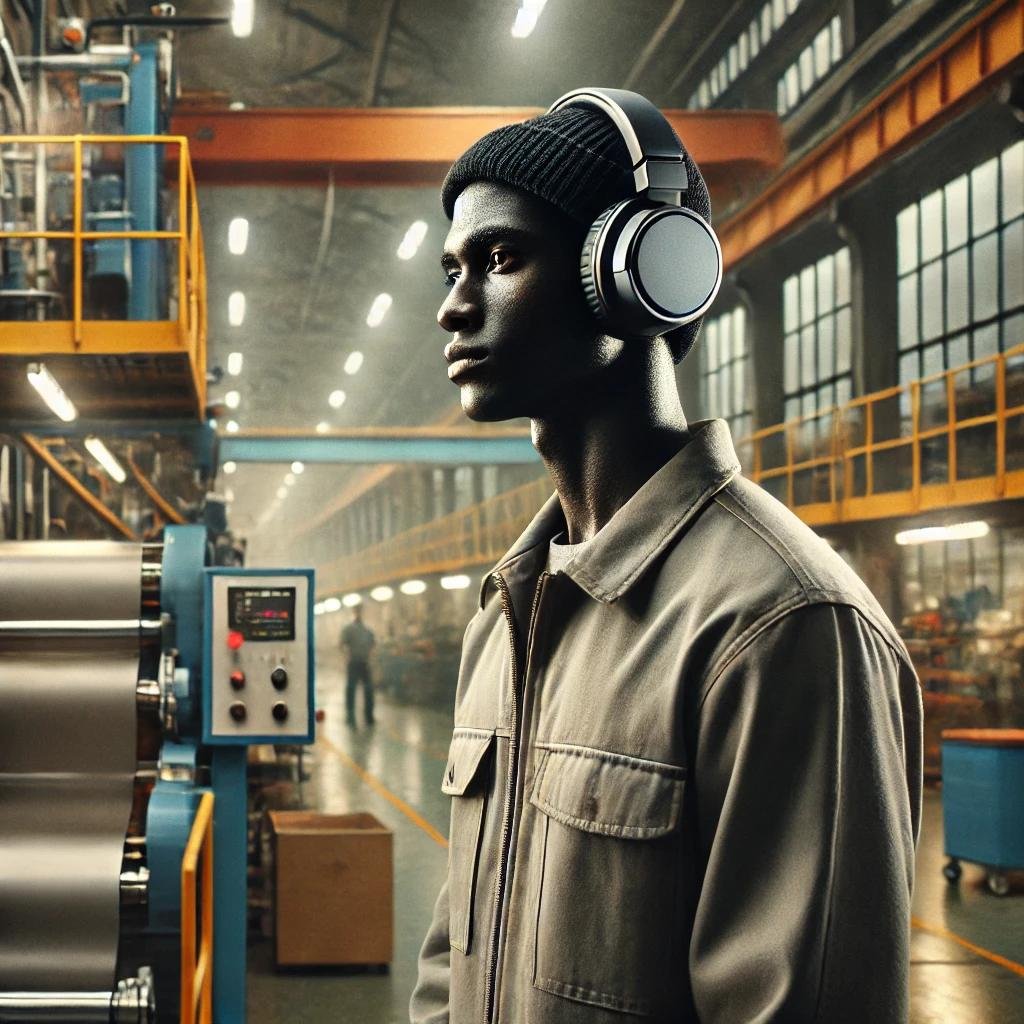
I get anxious in workplaces or around high noise and need to be able to use my music headphones to control it.
My hearing is poor already.
Can any medical exemptions be used to avoid wearing hearing protection?
The simple and clear answer is no, there are no medical exemptions from the use of hearing protection.
It doesn’t matter if a G.P. is issuing a note giving an exemption (they don’t have that authority) or if it is someone stating it themselves, there are no exemptions.
Extract from L108: Medical conditions do not exempt workers from wearing hearing protection
The issue is that if someone claims they cannot wear hearing protection, or if a G.P. has issued a note exempting them, and they work in a high noise area, then their hearing will still be damaged by noise. This is pretty much a certainty, that’s the issue with noise, the chance of damage is nigh-on 100%, the variable is by how much.
If someone works in a high noise area without hearing protection, their hearing will be damaged, and the employer will then be liable for that.
An employer cannot knowingly allow someone to work knowing they are going to be injured by that work, so they cannot knowingly allow someone to work in a high noise area while not wearing hearing protection. Neither a G.P. nor H.R. can change this.
If there is a medical reason for not wearing hearing protection that means no type of hearing protection is suitable, then unfortunately that person cannot work in a high noise area. If there are no jobs available in an area with no noise risk then they cannot work for that employer. It is harsh but that’s the final outcome - they are medically unfit for the job.
Music headphones / ear buds instead of hearing protection
I have another page going into the use of music headphones in high noise workplaces, but the summary is that no, they cannot be used.
An employer has to make sure hearing protection used is indeed that, and ‘hearing protection’ has the very specific meaning of being certified to a branch of EN352. Standard headphones (or ear buds or bone conduction styles) are not certified to this standard, they do not have a certified SNR, and cannot be used.
The Control of Noise at Work Regulations 2005 do say the HSE can issue exemptions
The Noise Regs do indeed include this, but these can only be issued by the HSE, on a case by case basis, about specific individuals, in specific jobs in a specific company, and are time limited.
They are not generic meaning they do not apply to a type of job done anywhere, and do not apply to cases where people have or claim a medical issue, they only apply where the use of hearing protection could cause a bigger risk.
The only example I can think of I have seen where this applied in 30 years of noise safety work is bin men working on live roads - the recycling collection is over 85 dB(A) but hearing protection makes them far less aware of their surroundings and more likely to get hit by a car. The staff have little control over general traffic on the road so cannot control the risk that way. The hearing protection therefore introduces a much bigger risk and other control options are limited, and this is the only time exemptions could be given. Even here, the employer needs to get any exemption in writing from the HSE, they can’t just decide to apply it, and it needs to be renewed.
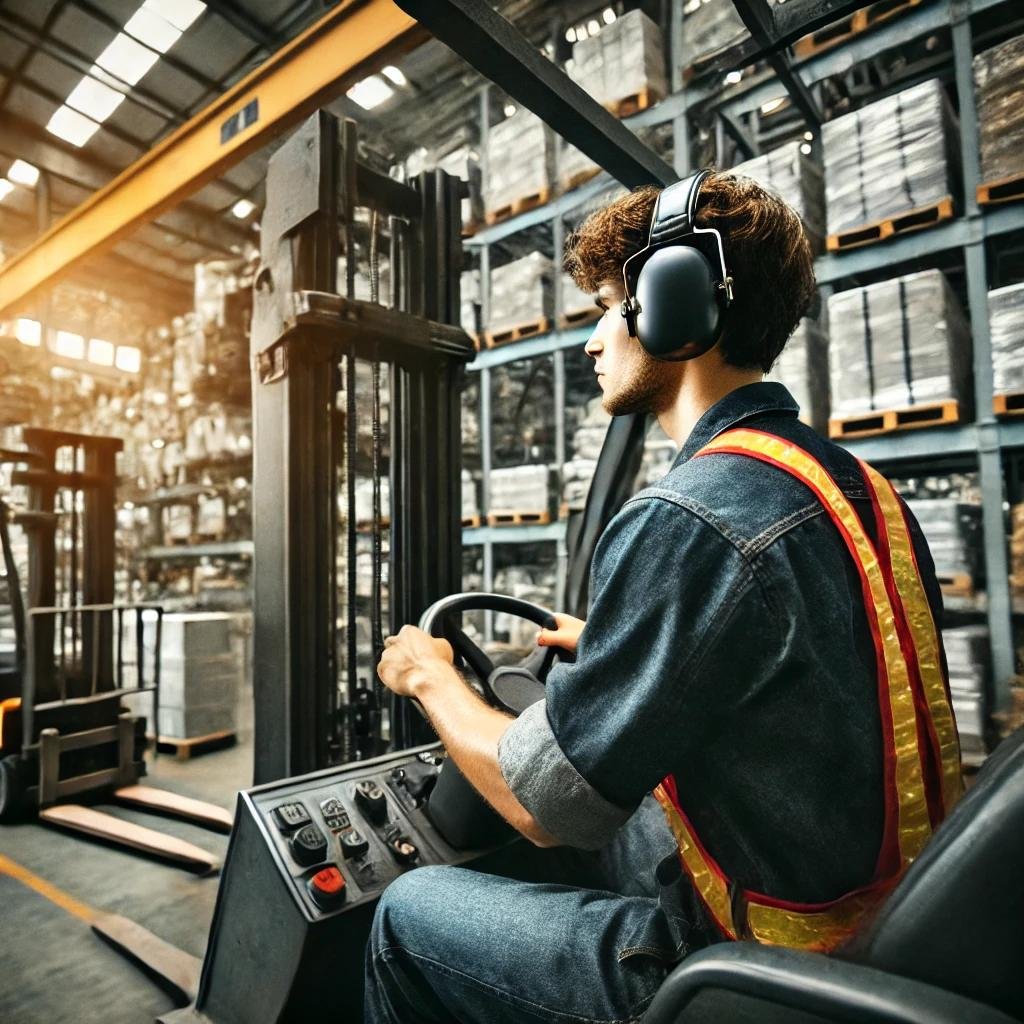
Before any forklift drivers jump on that as a reason to not wear hearing protection, no, that doesn’t apply to forklift drivers, nice try.
Related articles: Disclaimers exempting people from hearing protection and dealing with hearing aid users.
You may also like to look at the page on disclaimers - where an employee says they will sign a disclaimer saying they accept the risk of hearing damage and do not therefore need to wear hearing protection.
Link: Disclaimers and hearing protection
I also have a page on hearing aid users and hearing protection which could be of help.
FAQ: Exemptions from the use of hearing protection
A G.P. gave me a letter saying I don’t have to use hearing protection at work, that must be good enough?
No, a G.P. does not have the authority to overrule what is a basic duty - that an employer cannot allow someone to work knowing they are at risk. If someone comes in with a letter from a G.P. saying they cannot wear hearing protection what that effectively means is it is a letter saying they cannot do their job. The outcome of that may not be what the employee wants.
You say bin men working on a road may get an exemption from the use of hearing protection, so why not a forklift driver?
They are very different situations:
The bin men are on a live road which may be very busy. They are on foot and have little to no control of the other vehicles on the road. A good proportion of the public are going to be distracted by anything from a whining child in the back to just being tired and may not be watching where they are going - there is not a lot the bin men can do about that so hearing cars coming is important.
A forklift driver is the opposite - they are in charge of their vehicle and can control where it goes and when it goes there. They know if pedestrians may be around and can look out for them.
With a forklift the person creating the main risk is in control of it. With the bin men the bin men have little control over the wider vehicle risks.
I have neurodiversity issues which mean I cannot wear hearing protection, can I therefore be exempt?
No, the HSE’s statement on ‘no medical exemptions’ quoted above means there are no medical exemptions, whatever the cause.
I have a hearing aid, can I wear this instead of hearing protection?
No, although this is a slightly more complex questions so I have a specific page going into that in more detail here: hearing aids and hearing protection
More information and help on hearing protection at work







Article last reviewed and updated April 2026