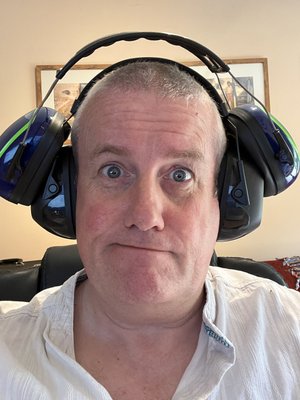

Can disclaimers be used to not wear hearing protection?
Key points: Disclaimers being used to avoid wearing hearing protection
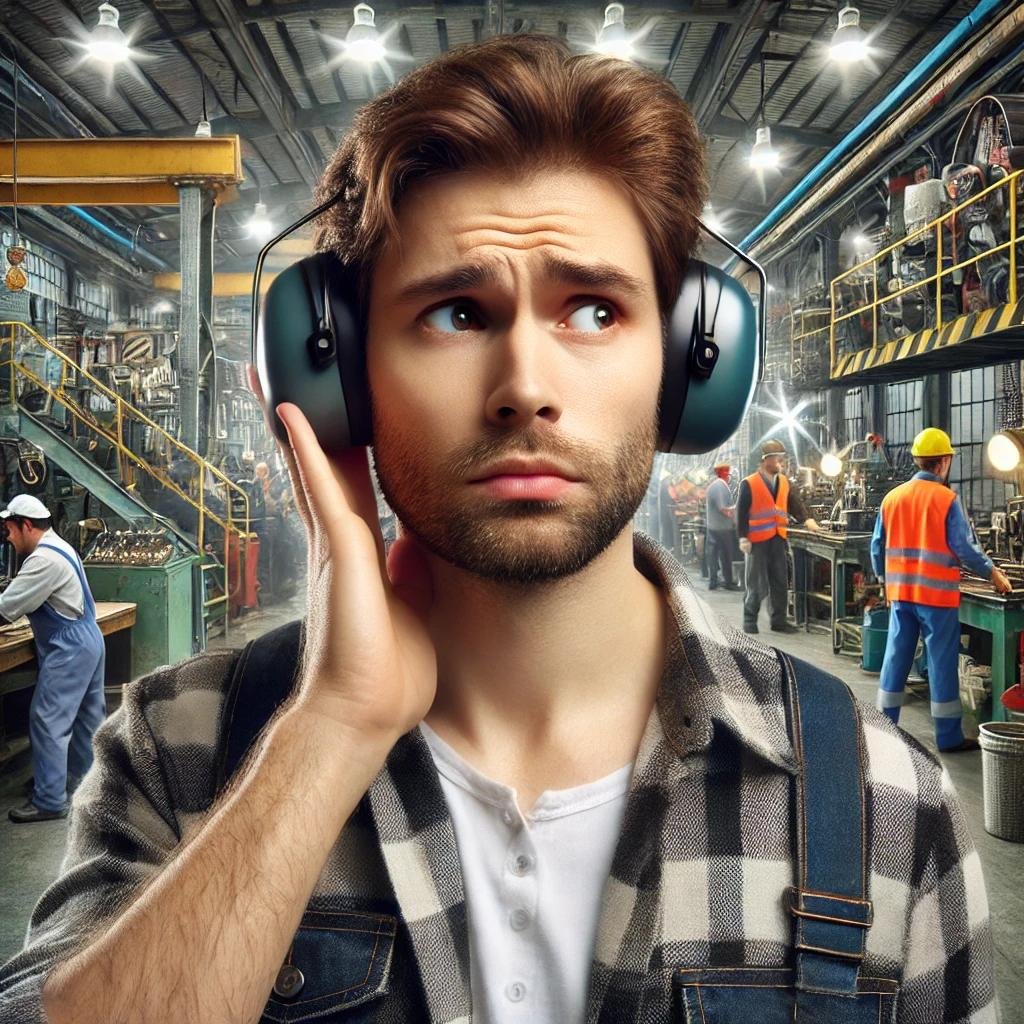
The duty to wear hearing protection in an area identified as a mandatory hearing protection zone is absolute. There are no exemptions given for this in either the Control of Noise at Work Regulations 2005 or in the HSE’s L108 Controlling Noise at Work (Third Edition).
Employees do sometimes ask to sign a disclaimer saying they will accept the risk of hearing loss and then not wear hearing protection.
A disclaimer signed by an employee saying they accept the risk of hearing damage from not wearing hearing protection has no legal standing and cannot be used.
Disclaimers and hearing protection
The employer has a duty to protect employees where they possibly can and they cannot set this obligation aside.
A disclaimer doesn’t free the employer from this obligation to protect the employee if it is within their power to do so.
Also, it is not considered to be an agreement between equal parties.
There are wider implications if it was allowed in law as it would be a massive open door for abuse. For example, assume it was legal for an employee to sign a disclaimer that they accept any risks and to then not wear any PPE. (Not only hearing protection but as if it was good for ears then it would also be good for boots, eye protection, etc.). How long would it be before more unscrupulous employers were leaning on their employees quietly saying ‘sign this and you can keep your job’?
It is simply not possible to do.
What about if they claim it is due to a medical condition?
Again, this is not possible.
Sometimes an individual produces a letter from their doctor saying they do not have to wear hearing protection, however this is irrelevant and cannot set aside the basic duty for an employer to ensure hearing protection is worn.
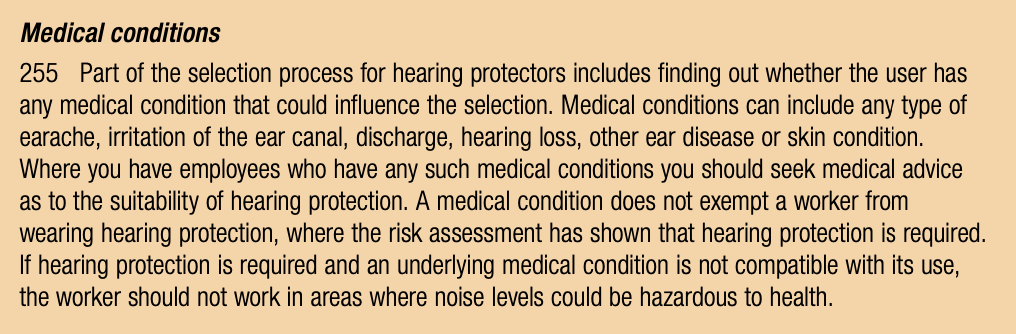
Extract from the HSE’s L108 stating medical exemptions are not possible.
What to do if someone does have a genuine problem with hearing protection
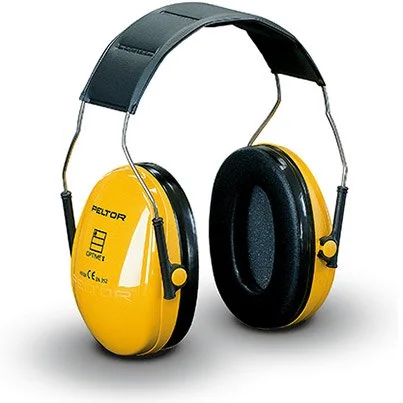
The employer should firstly try different styles, muffs, banded plugs, softer plugs, etc. and try to find one that suits.
If none are suitable then the employee should be removed from the noise risk and given a job in a quieter area or use job rotation to minimise noise risks.
If this is not possible then the person cannot be allowed to continue working while at risk, so termination of employment is the only option on the basis they are not able to work safely in the area. The duty to wear hearing protection still applies.
Related issues - Medical exemptions and music headphones:
I have a couple of other articles on specific related issues which come up at work:
Link: Can GPs or HR issue an exemption from the use of hearing protection?
Link: Can music headphones be used in place of hearing protection?
FAQ: Can disclaimers be used to avoid wearing hearing protection
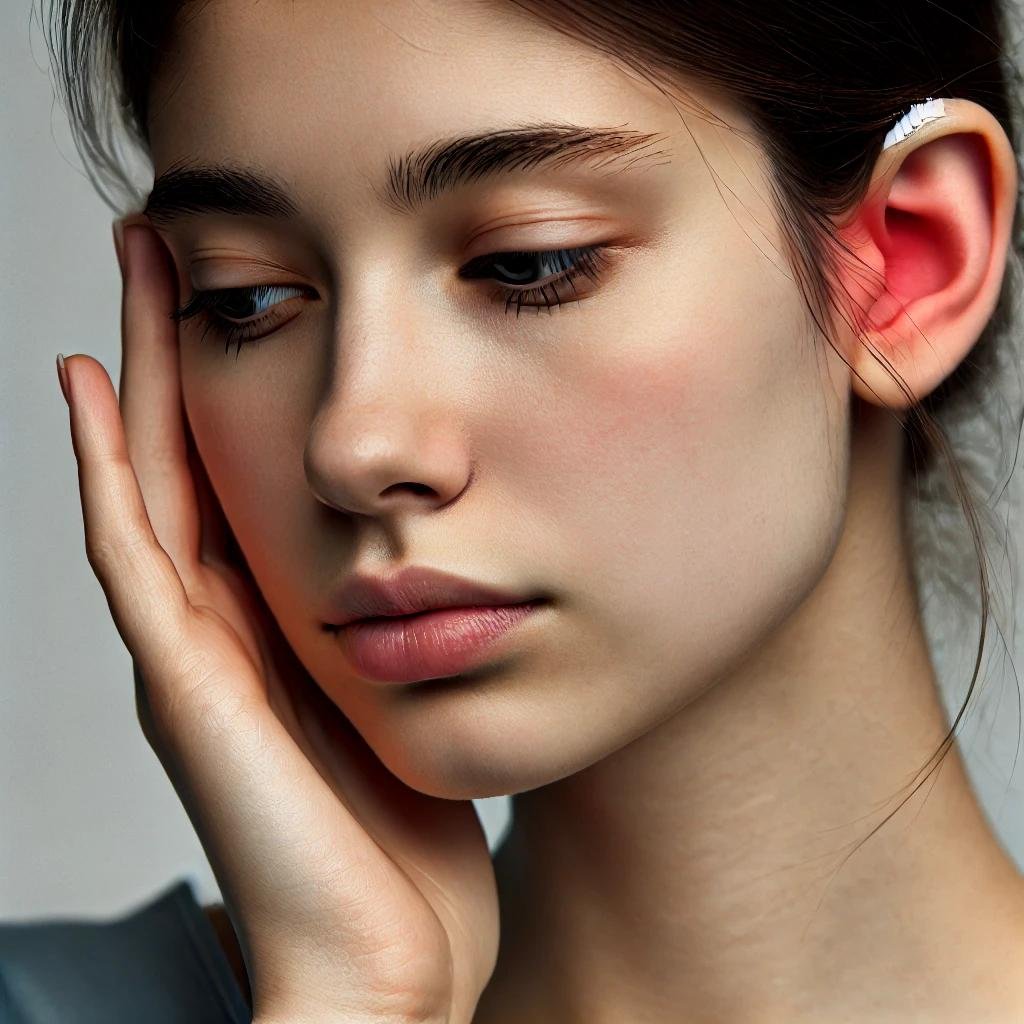
Surely if hearing protection is making me feel ill or hurting my ears, I can get permission to stop using it if it is my choice?
No, the HSE specifically say in L108 that there are no exemptions unless granted by the HSE, which means time-limited and job-specific. These are very rarely issued.
Noises cause me stress or anxiety, can I use noise-cancelling headphones instead of hearing protection so I can listen to music?
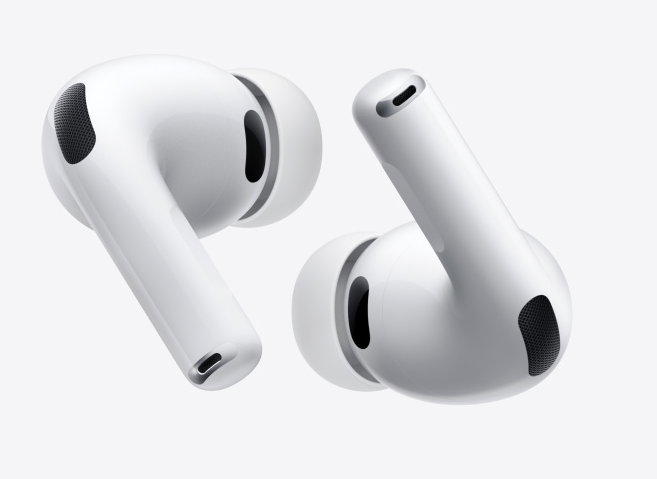
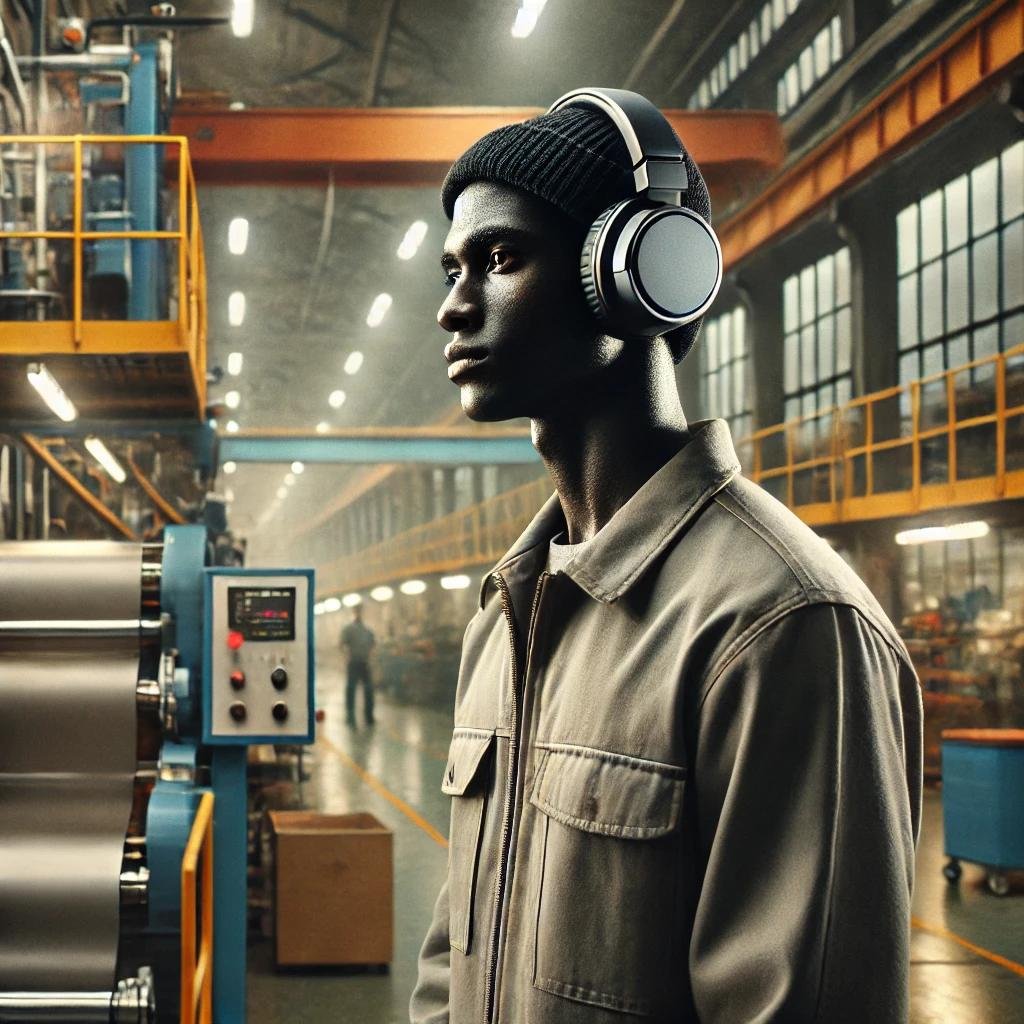
No, noise cancelling standard headphones or ear buds are not hearing protection. That goes back to the ‘no exemptions’ part - if there is a noise risk then hearing protection has to be used. You can however use hearing protection which has Bluetooth functionality such as the ISOTunes range.
Surely it is my choice to accept the risk of hearing damage?
Outside of a workplace, yes it is indeed the individual’s choice, but in the workplace the employer has a responsibility for employee safety and this can, and often does, over-ride employee preferences.
More help and advice on hearing protection at work







Article last reviewed April 2026