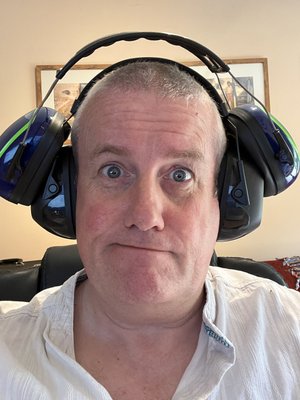

Wearing double hearing protection
A common recommendation I have seen from Occupational Health Physicians (OHP) has been ‘recommend wear double hearing protection’, but what does this mean and is it any use?
Key points on wearing double hearing protection
This means wearing both ear plugs and ear muffs at the same time.
You get far less additional protection than may be immediately thought. If an ear plug knocks off 30 dB and an ear muff knocks off 30 dB, wearing both knocks off about 33 dB, or at best 36 dB.
Very few workplaces are so loud that the only option is to wear double hearing protection. In the vast majority of workplaces wearing double protection is too much.
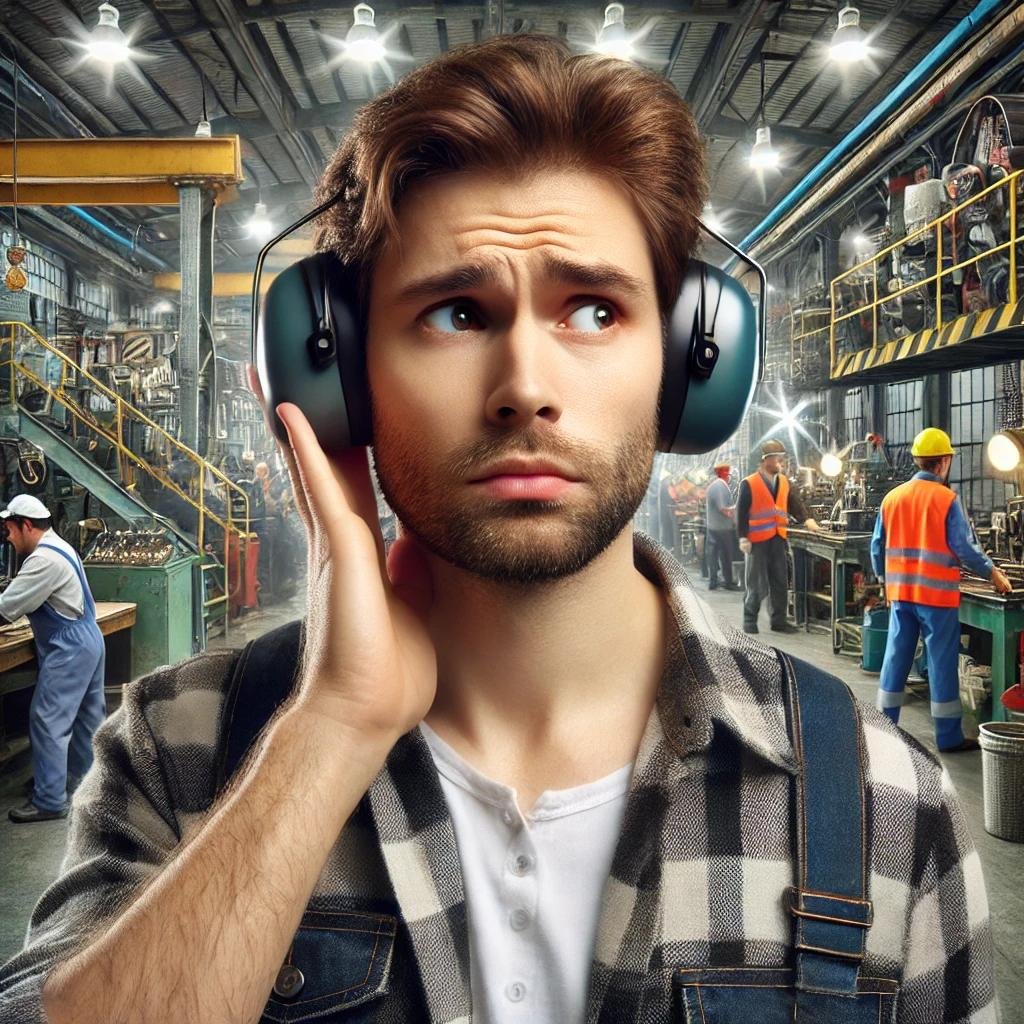
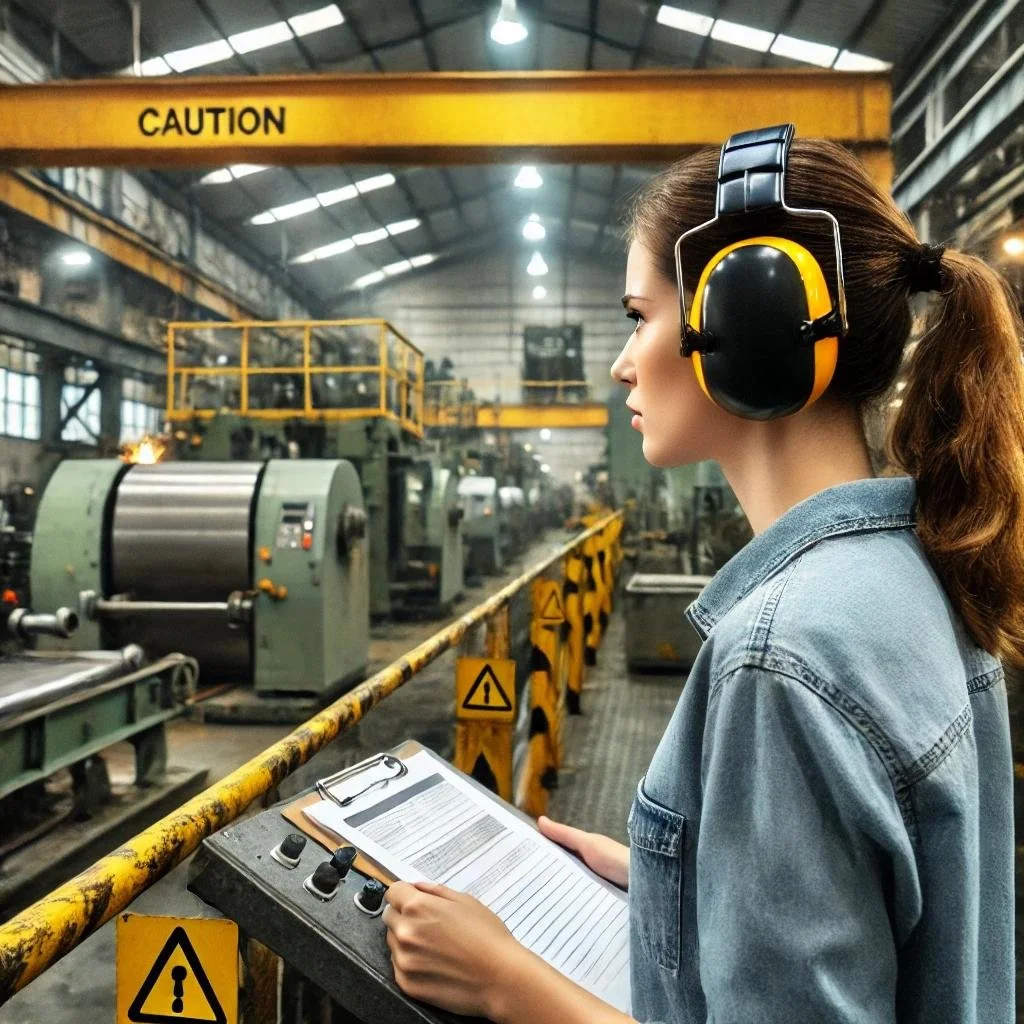
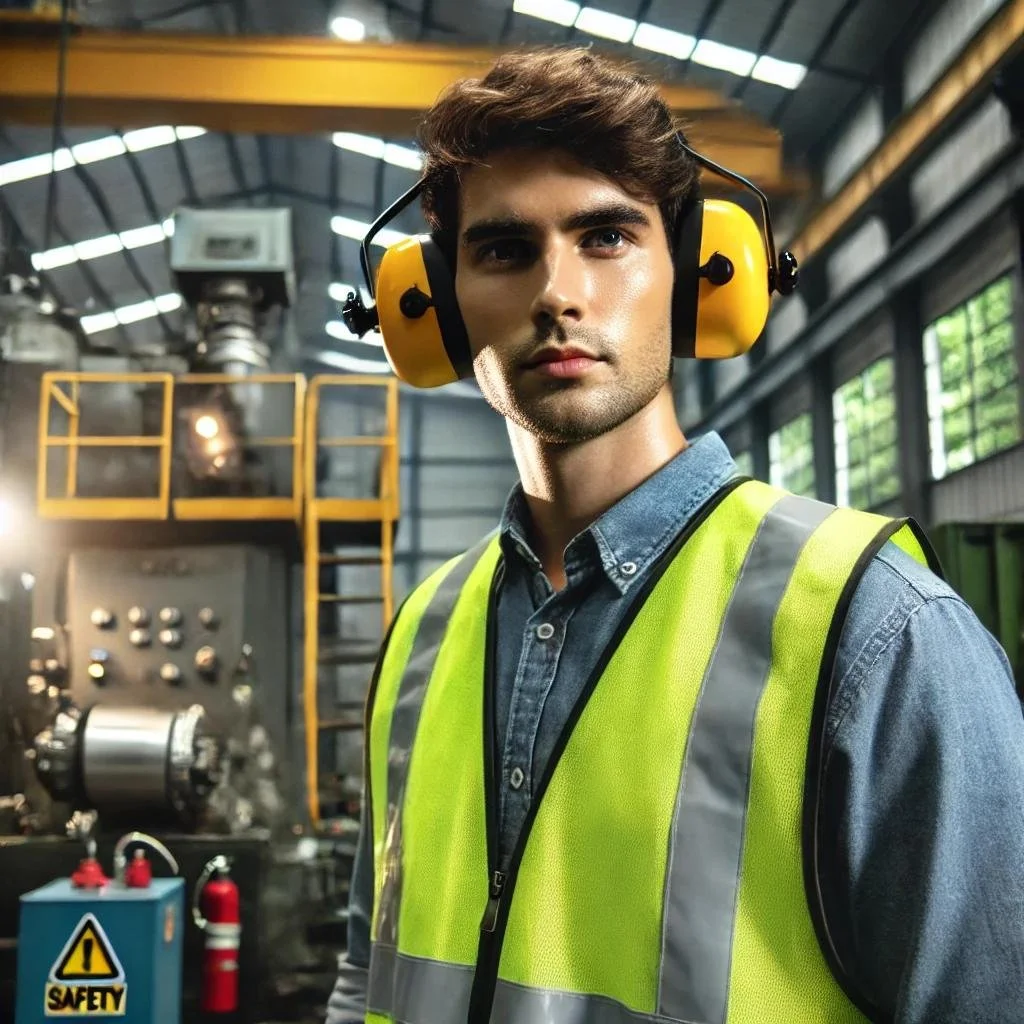
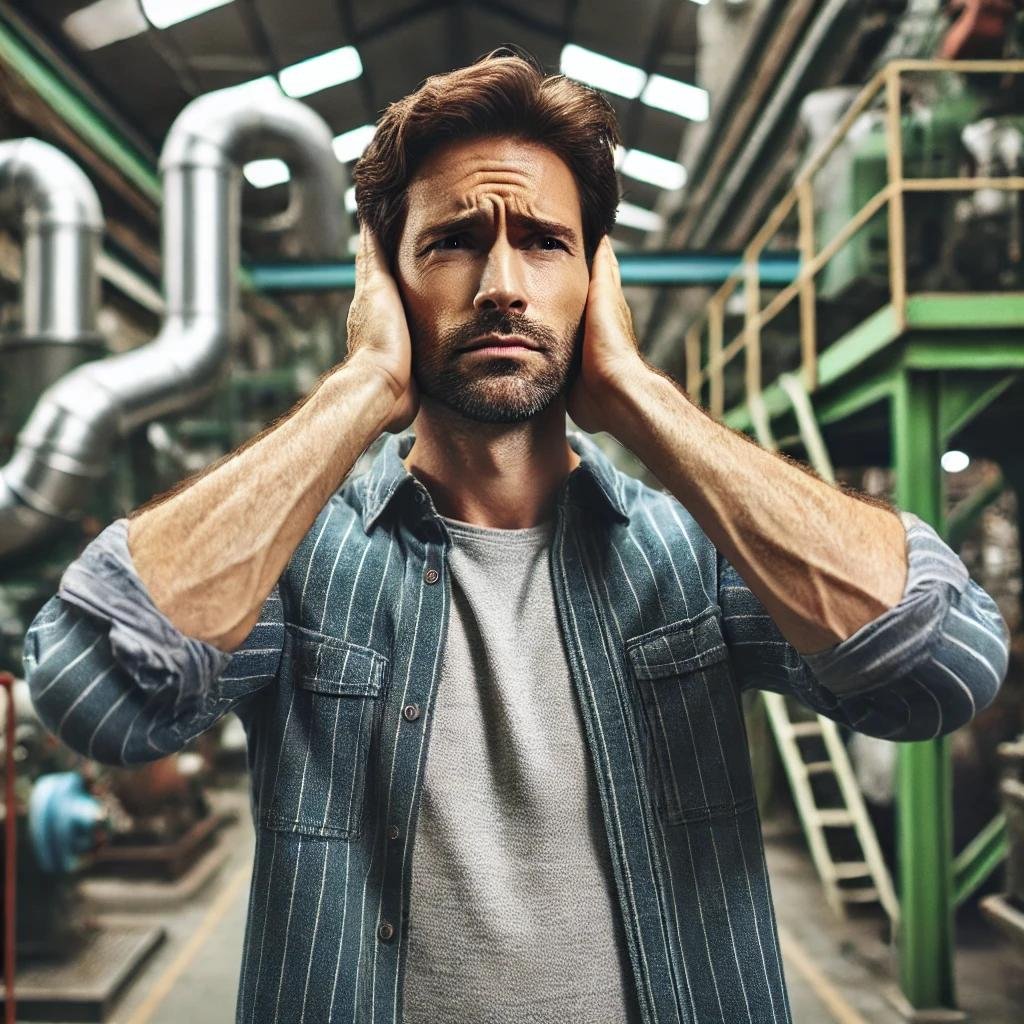
Wearing double hearing protection at work.
What an OHP is saying with this is that they recommend the person concerned wears two sets of hearing protection, usually a plug and a muff over the top, but to be honest, it is mostly irrelevant and almost always has no link to the findings of the noise assessment.
Is the noise too much for the hearing protection available?
The only reason to wear double hearing protection would be because the person is still at a risk of excess noise despite wearing hearing protection, but how realistic is this?

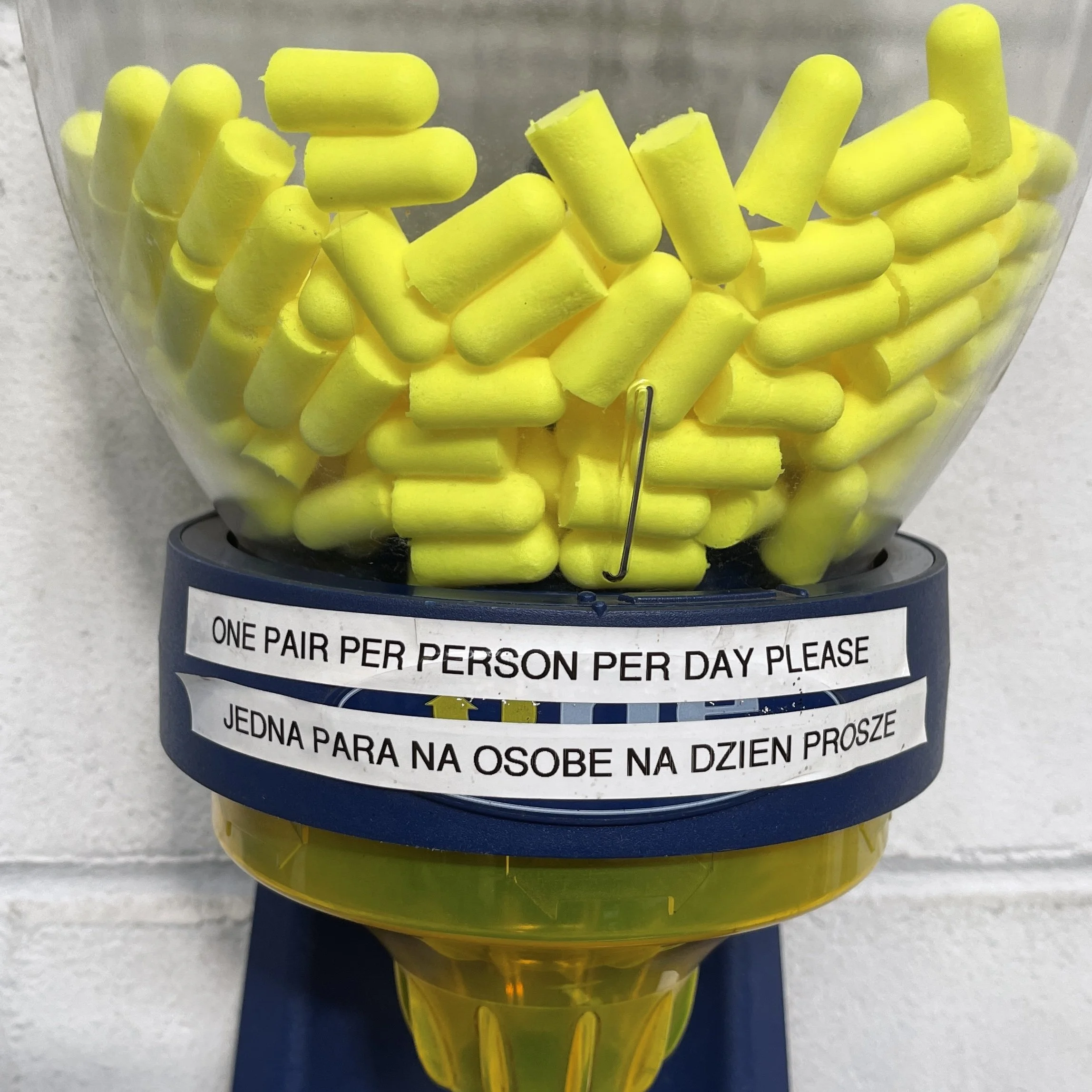
EARsoft FX plugs
The strongest hearing protection on the market has an SNR of 39dB and all the ones at this levels are ear plugs. (Another myth busted there - ear muffs are not stronger than ear plugs, the strongest hearing protection on the market are all plugs).
Take the E-A-RSoft FX ear plug, a soft squishy plug with an SNR of 37dB (it used to be 39 dB but 3M recertified all their protectors). The HSE say the safe level under a hearing protector is less than 85 dB(A), so let’s use 84 dB(A) as the maximum.
To work out the noise level under a hearing protector you take the noise level, subtract the SNR of the protector, and then allow 4dB for some real-world slightly incorrect usage. That means the foam plugs with an SNR of 39 dB are good for noise levels up to 119 dB(A). (The noise level of 84, plus the 39 of the protector, minus that 4dB).
That is an average of 119 dB for eight hours for an SNR of 39 dB.
The E-A-RSoft FX plugs with their updated SNR of 37 dB are good for an average level of 117 dB(A), again - that is an average over eight hours, not just a shorter period of reaching that, even if a couple of hours.
In 30 years of doing noise assessments I have never once come across a workplace with an average noise level of 119 dB(A) for a continual eight hours or even anything remotely close to that. An occasional peak that high, sure, and maybe for a slightly prolonged time in some circumstances, but a continual level at that volume all day is exceedingly rare.
So that means the strongest type of ear plug on the market is more than good enough for pretty much every workplace out there.
Remember, we are talking about work here so things like sport shooting are not work, unless you are in the army and they are already very well aware of the noise risks there and manage it well.
Too much hearing protection is a problem

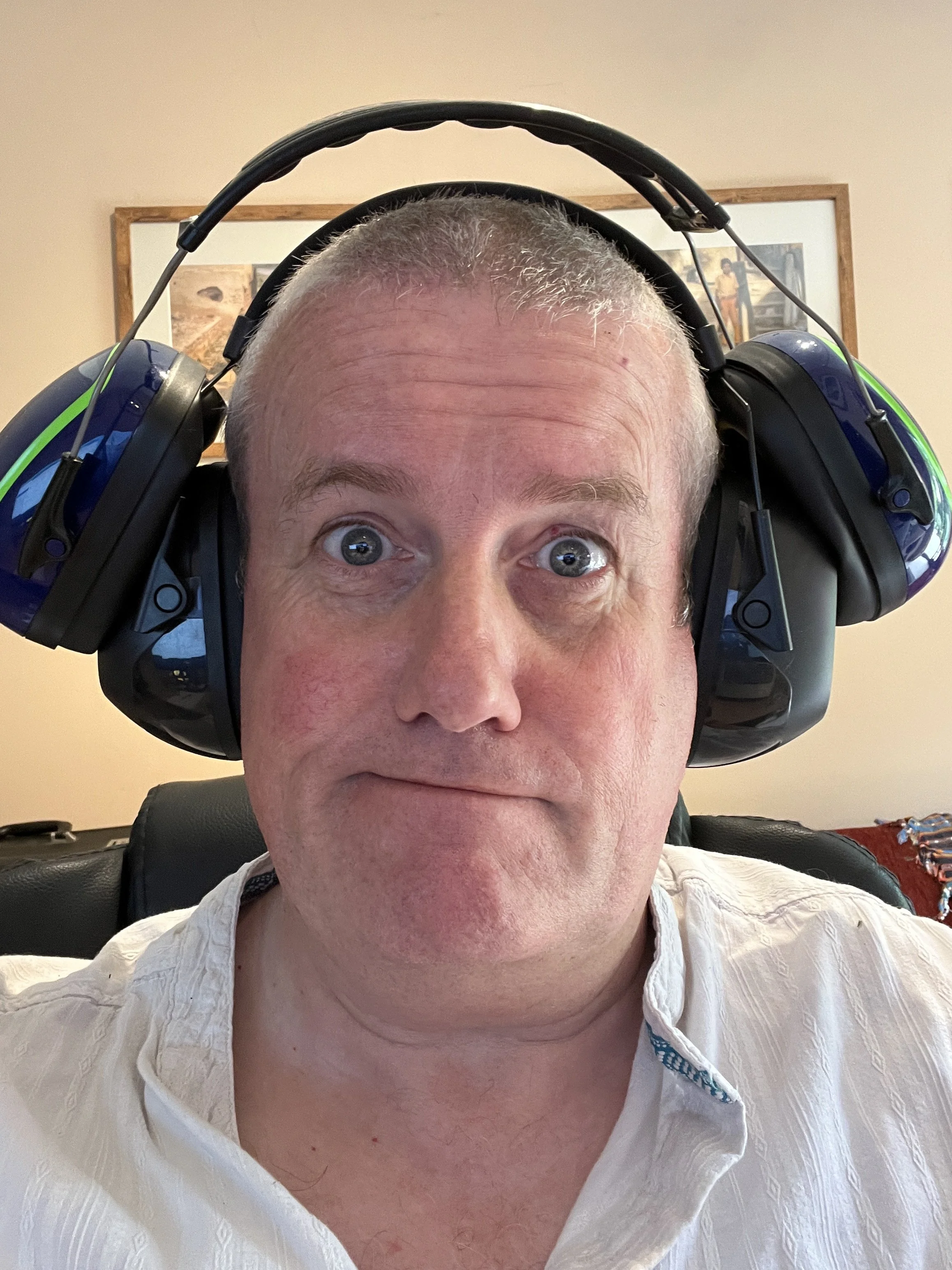
Wearing two sets of ear muffs
When doing noise assessments, in 3/4 of all the noise assessments I do, the most common finding is the hearing protection is too strong for the noise risk present, not too weak.
Too much hearing protection is itself a problem. People get too isolated so they start to take the protection off to talk to people and end up with less protection than if they’d just had a weaker hearing protector in the first place.
They also start to be unable to hear things like forklifts moving around, or cannot hear alarms or machinery noise. A lot of experienced people use how a machine sounds to know it is running as it should be. Double protection stops that, so they remove it.
Recommended on the basis of ignorance
I don’t mean that is ‘ignorance’ as a personal attack, I mean that Occupational Health Physician recommendations of double hearing protection are almost always made in ignorance of the facts of the workplace. They often don’t know what the actual noise levels are and they don’t know what the hearing protection has been assessed as in the noise assessment. Yet it is quite common to see a recommendation from them recommending double hearing protection.
I have personal experience of this. I had a case where an Occupational Health Physician recommended one chap had double hearing protection as he was showing some issues in his hearing which could be related to noise. However, I myself had done the noise assessment there and I knew for a fact the hearing protection in use was already way too strong for the noise risk present. Worn properly it was reducing noise levels to about 59dB, far too much. (59dB is very quiet - think quiet warehouse where nothing is happening except a wee bit of ventilation, that’s about 59dB(A) or so). That is far below the minimum levels the HSE want to see hearing protection reducing noise to. Adding another layer of protection on top of that gave no benefit to their hearing whatsoever and was directly against what we are supposed to be doing with hearing protection - the days of ‘strongest is best’ are long behind us now.
Some people are more susceptible to noise damage than others, granted, but there is still a massive gap between the levels of noise they would experience under the more powerful hearing protectors on the market and any level of noise which is going to damage hearing.
The impact of doubling protection is over-estimated
You’re just going to have to go with me on this, but… Decibels were invented by a fella who was clearly off his head on something extremely hallucinogenic as they make no sense at all to a normal person. One component is that 3dB is doubling the noise energy, and conversely a drop of 3dB is halving the noise risk.
If you have an ear muff around the ear which reduces the noise by say 30dB, and then you add a second layer of protection from an ear plug inside the ear which also reduces the noise by 30dB, the combined reduction is not 60dB but is 33dB.
See, I told you to just go with me on it.
The HSE actually state in L108 that for double protection, the absolute maximum attenuation expected is 6 dB. That would mean our ear muff knocking 30 dB off and a plug underneath also knocking 30 dB off is a combined result of, at most, 36 dB and in reality is more likely to be the 33 dB. They also say that if double protection is used then the effectiveness of this must be tested before being taken as working.
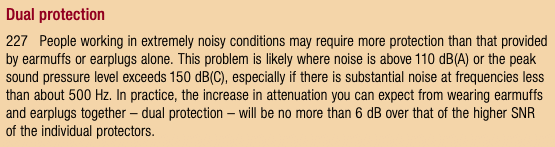
Extract from the HSE’s L108 stating that 6 dB is the maximum from double protection
This website is for UK employers therefore the HSE’s comments on this are sacrosanct. If they say the maximum attenuation we are allowed to take from double protection is 6 dB then that’s what it is. For non-UK readers your own enforcement body presumably have their own standards for it. Reference: L108 3rd Edition, Part 4, Para. 227.
A lot of noise doesn’t actually go down the ear - bone conduction
Just as an aside on another reason doubling up on hearing protection is not as effective as it may look is that not all noise goes down the ear canal.
A lot of what we hear is via bone conduction - the noise passes through the bone of the skull directly to the inner ear and bypasses the ear canal completely. That’s how those bone conduction headphones work so often beloved of runners and cyclists, etc. This means an ear plug or ear muff has no effect at all on noise reaching the ear that way.
Summary on double hearing protection
The strongest hearing protectors on the market are already too strong for pretty much every workplace out there meaning there is a suitable hearing protector for every noise exposure without wearing two sets of hearing protection.
Doubling up on hearing protection is almost always incorrect, and a recommendation all-too-often made without knowledge of the findings of a noise assessment.
It can actually increase risk by encouraging reduced compliance from too much protection.
In 30 years of workplace noise safety including doing both noise assessments and workplace hearing testing, I have not seen one recommendation for double hearing protection which was actually justified by the noise exposure levels on the site concerned when you looked at the measured average exposures in a noise assessment.
FAQ: Wearing double hearing protection
I have been told following a hearing test that I should wear double hearing protection, what should I do?
Don’t automatically think you have to do it. Speak to the employer to find out how the hearing protection available has been assessed. They should have a noise assessment in place and part of that will be an assessment of how effective the hearing protection is for the noise risks in their workplace. Provided the results of that show the hearing protection is OK and in there 70s dB(A) - or more commonly it is a bit lower still - then you are OK.
The one exception would be a G.P. making this recommendation after proper thorough examination, including information on what the noise levels in the workplace are.
More information and advice on hearing protection at work







Article last updated April 2026