


Advice on managing noise risks at work
A series of blog articles giving advice on managing noise risks in UK workplaces for compliance with the UK’s Control of Noise at Work Regulations 2005, from an experienced occupational noise assessor.
Managing noise risks at work, all about noise assessments, selecting hearing protection and issues experienced with hearing protection, training and legislative needs, health surveillance issues and how to practically manage it..
Noise assessments ● Noise surveys ● Hearing protection ● Health surveillance ● Noise Training
For a specific subject area, try the search box
Short subject-specific advice on various aspects of managing noise safety at work.
All advice and articles are written by me, The Noise Chap, a specialist noise assessor with over 30 years of experience in workplace noise assessment, including 20+ years now as a noise assessment consultant working in all industries across the UK.
I hold certification of competence in workplace noise assessment from the Institute of Acoustics, the NEBOSH Diploma and am certified in workplace hearing testing and a member of the British Society of Audiology.
The articles cover the noise assessment process itself and how to manage various aspects of managing workplace noise risks, including health surveillance and hearing protection, delving into very specific questions such as hearing protection for workers with pre-existing hearing losses, and including practical advice and examples to help employers comply with the Control of Noise At Work Regulations 2005.
All content is based on UK law and on the HSE’s L108, Controlling Noise at Work (Third Edition).
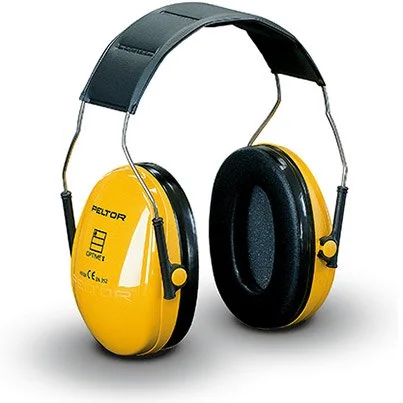
How long does hearing protection last?
Most hearing protection does have a set life expectancy and will ‘expire’ after a set time, even if not in use. A typical shelf life for hearing protection is five years, or lower for more budget options. This is how long hearing protection can last for before needing to be replaced.

Over-protection in hearing protection - why stronger isn’t always safer
Over-protection often comes from well-meaning employers buying the strongest hearing protection they can find - hearing protection with the highest SNR. They mean well but it often actually increases risk and for the employer, means more of the money they spend on hearing protection is wasted.

Are medical exemptions possible from a need to wear hearing protection?
It is common to hear someone claim a medical exemption from the need to wear hearing protection at work, sometimes backed up with a note or letter from a GP, or sometimes self-claimed, but are medical exemptions from the need to wear hearing protection possible?
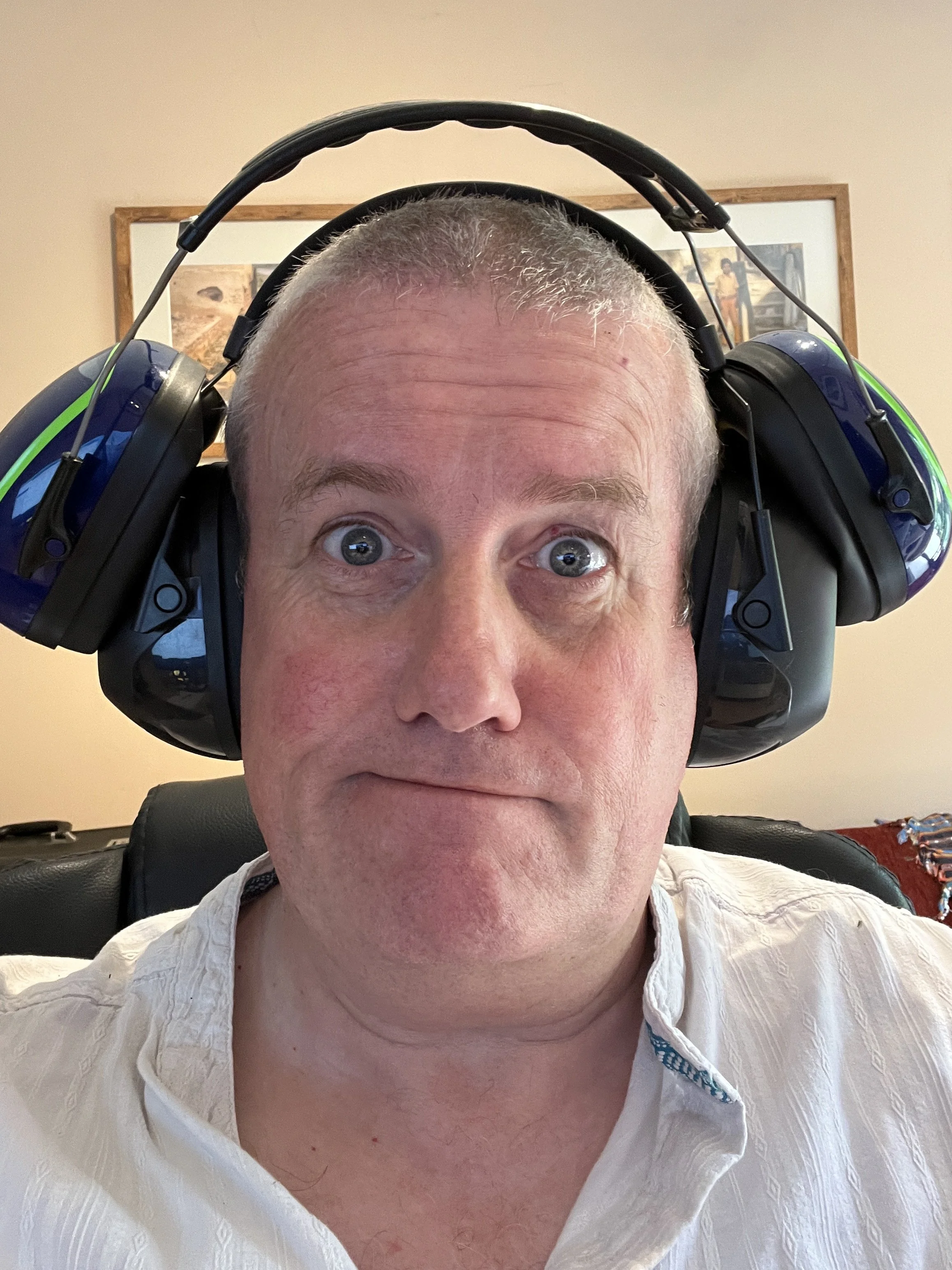
Wearing double hearing protection
A common recommendation from Occupational Health Physicians is ‘recommend wear double hearing protection’. What they are saying is that the person concerned wears two sets of hearing protection but this often has no link to the findings of the noise assessment.
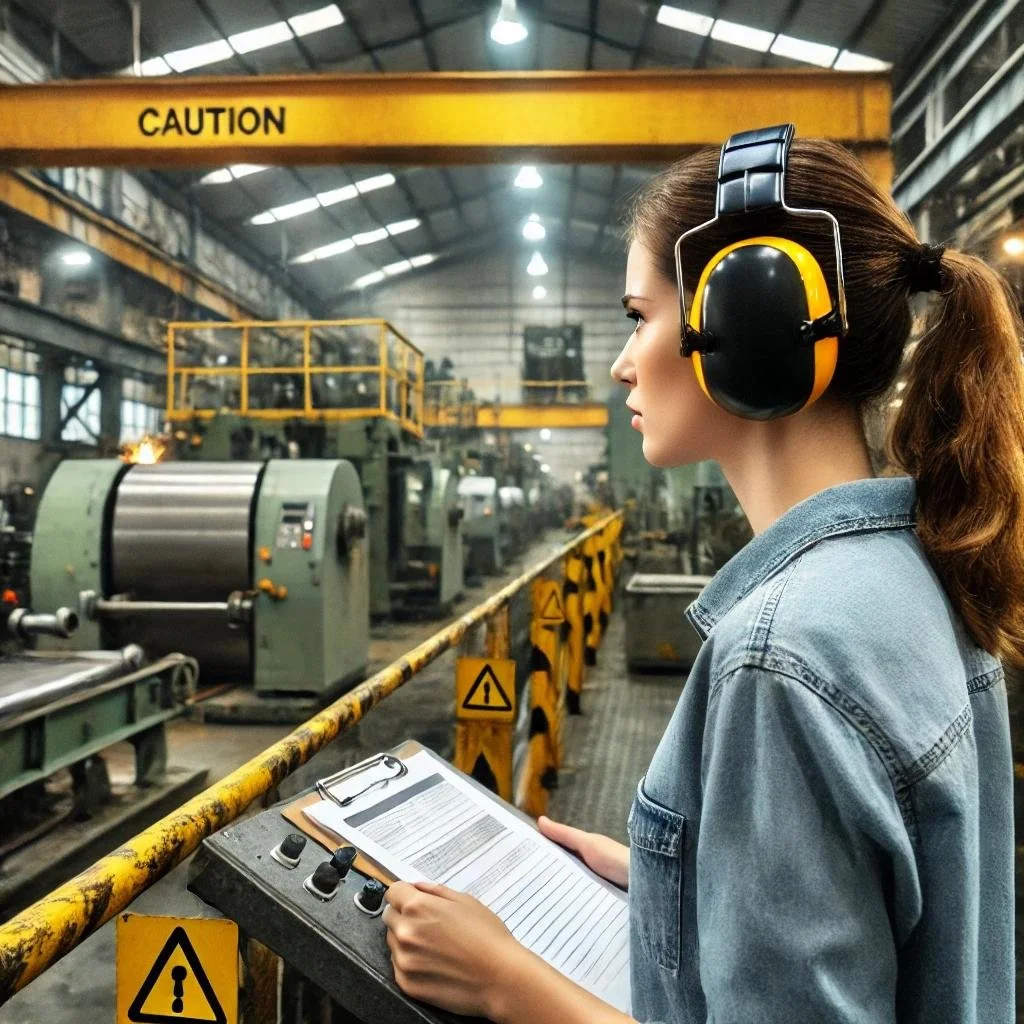
Is the price of hearing protection linked to how good it is?
Hearing protection comes in a very wide range of prices, but is price consistent with ‘better’ hearing protection?