

The Portwest PW74 are new to the market and are a novel approach to ear defenders / ear muffs, allowing the wearer to switch between two different levels of noise reduction. I bought some to try in real-world noise assessments.
Key points: Portwest PW74 Ear Muffs
Passive ear muffs - the change in SNR is physical rather than electronic.
Have a low setting of 25 dB and a high setting of 35 dB.
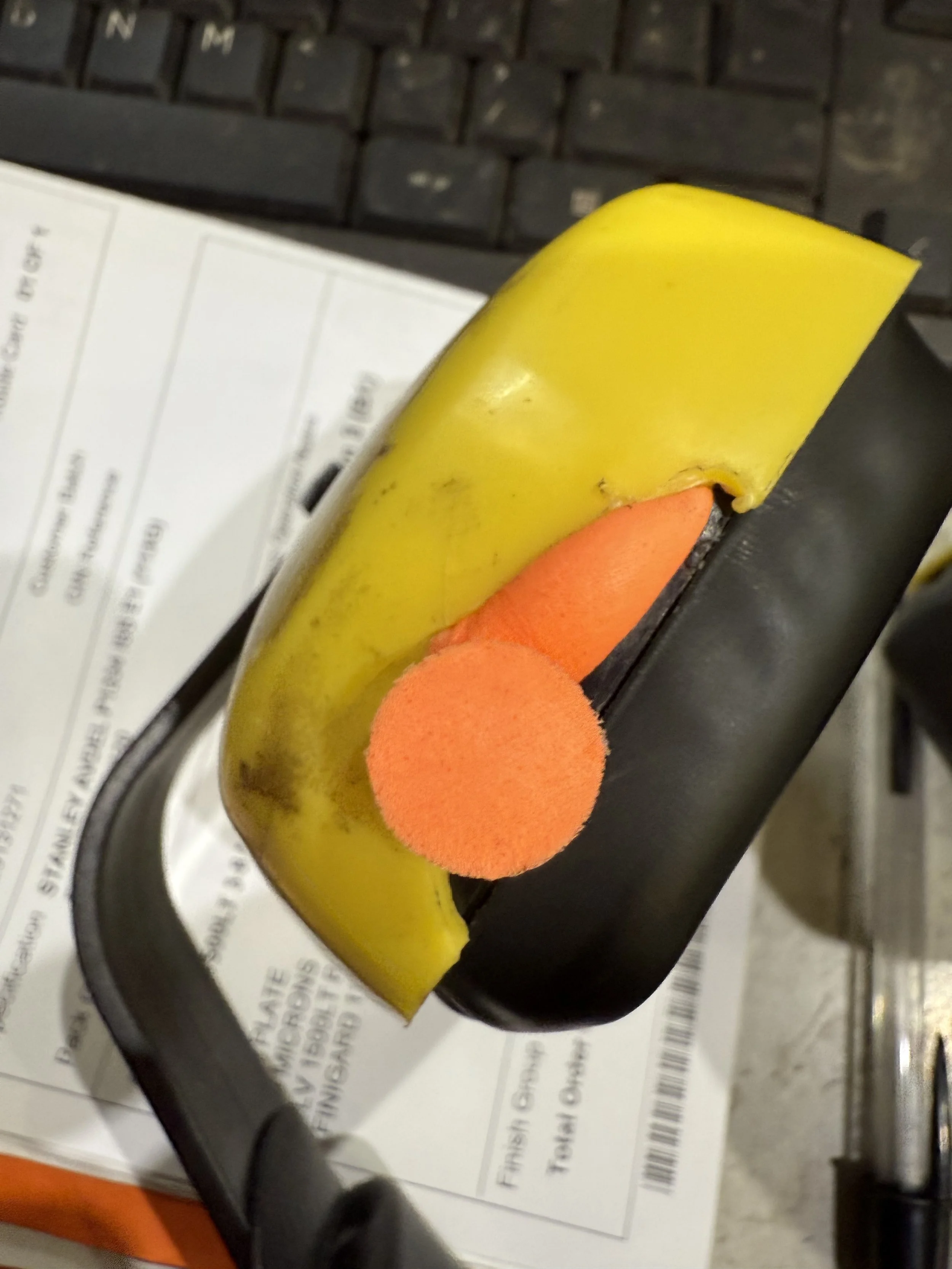
Operated via a large switch on the side of the ear cup.
They have a horrendous echo effect which can make the noise louder when wearing them, not quieter.
Painful headband.
Would need management systems to ensure people are using the correct SNR for the area they are in.
Chances are people will stick them on one SNR level and leave it, so you may as well have standard single-SNR muffs.
Portwest’s other products are probably still a better choice.
A great idea, but not one I would consider all that useful in practice.
The Portwest PW74 are quite an innovative product, allowing the wearer to change the amount of noise reduction they give.
In loud environments they can be set to the high SNR level of 35 dB, or in lower noise risk areas turning the switch on the cups alters it to the lower attenuation of 25 dB.
The switches are physical and nice and chunky so nothing electronic going on, no batteries to change, and nice and easy to grab even if wearing gloves.
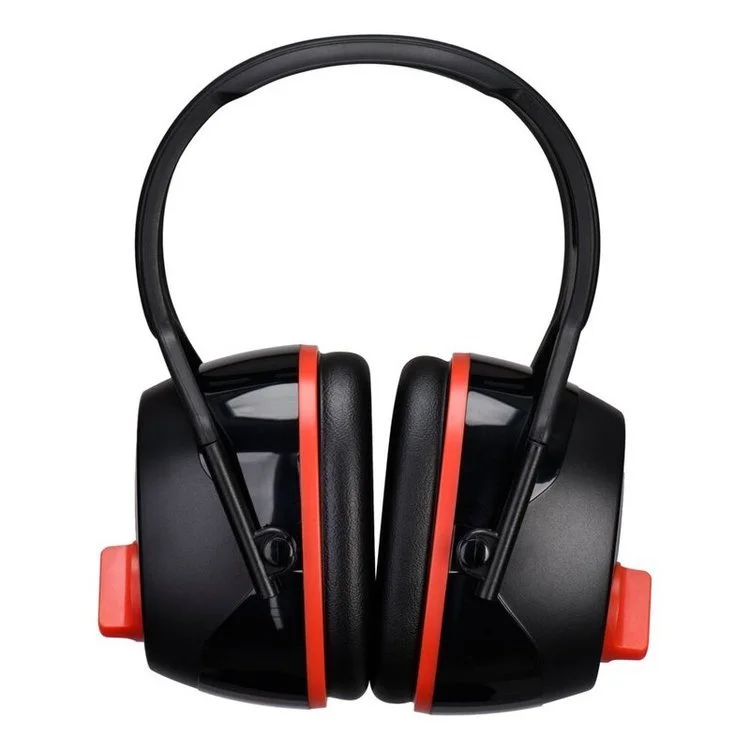
Portwest PW74: The good
The Portwest PW74 do have a few things going for them.
Get the right noise reduction when you need it
This is a genuinely innovative addition to hearing protection.
If the wearer is moving around a workplace and there are different noise levels then the idea of being able to adjust the noise reduction as needed is a novel approach to standard ear muffs. The idea of it is that you can have enough protection when needed but can have less in lower noise risks and it removes the temptation to remove the muff to speak to someone.
Price is surprisingly good
Pice wise, these are surprisingly low cost, I paid £15 for mine. That’s well within the normal price range of a decent pair of ear muffs so there is no price premium for the dual SNR element.
Lightweight
If someone is going to wear them for eight hours or more in a day then a few grams of extra weight starts to make a difference. These are properly lightweight and no issues at all when I wore them.
Supporting a UK company
Portwest are based in Wolverhampton so by using them it is supporting a UK company, which personally I think is always worth doing where possible.
Portwest PW74: The slightly odd
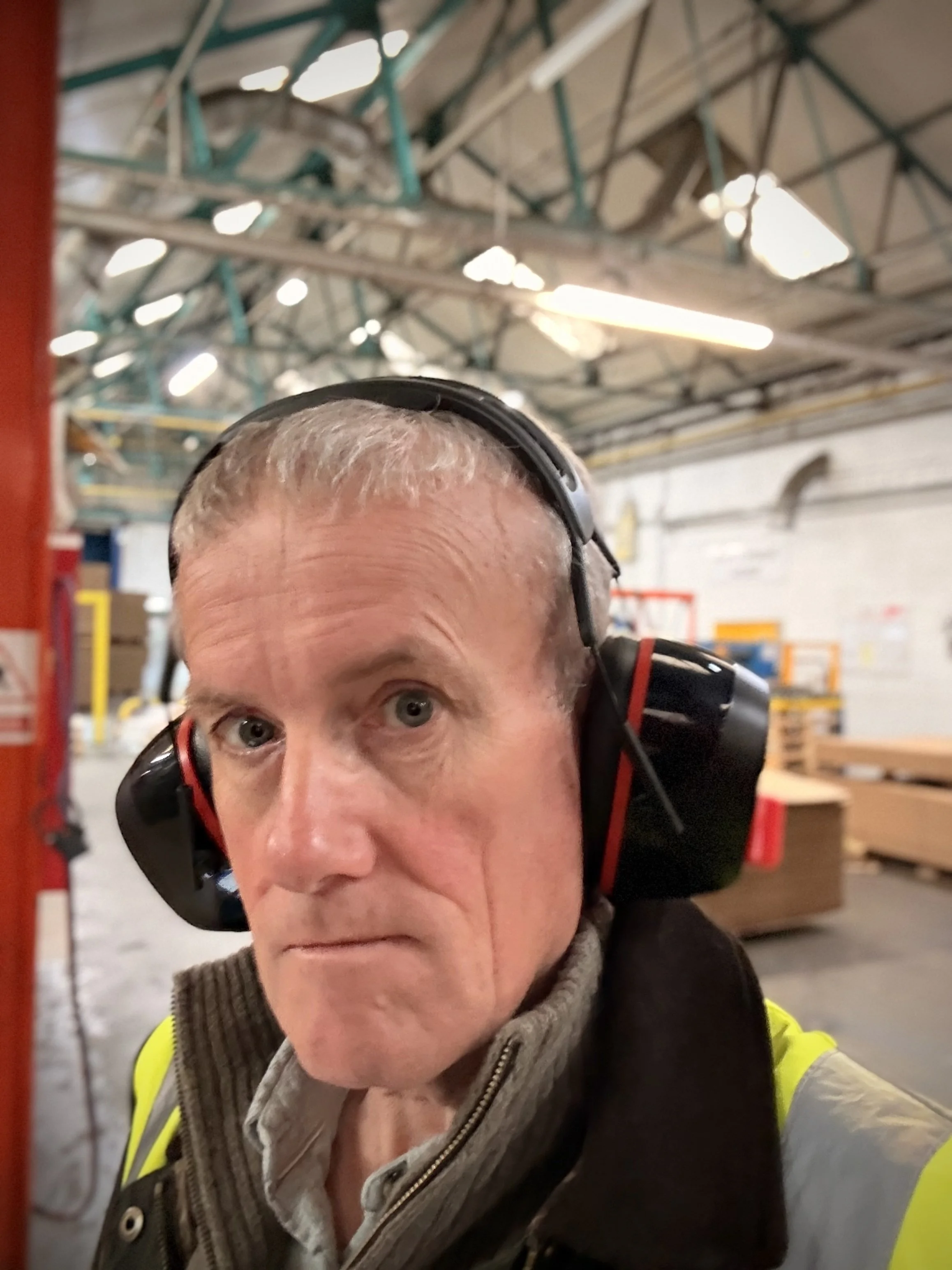
Each ear is controlled separately
I appreciate this is entirely due to it physically needing to change the filtering element within the PW74 muff, but the idea of having to change each ear independently is a little odd.
Noise risks at work hit both ears equally - there are very few instances where it hits one ear significantly more than the other, effectively just shooting really.
When I wore them I found on quite a few occasions that I had remembered to change the noise reduction level on one of the cups but not the other.
Portwest PW74: The bad
There are some areas for concern.
Echo effect
It is not a good sign that while wearing the Portwest PW74 the noise was getting very unbearable, and I do have quite a high tolerance for noise. I took them off and the audible noise went down significantly.
The Portwest PW74 defenders were creating what I can only describe as a ‘hellish echo effect’, making the noise sound like it was reverberating inside the cups and inside my ears. That’s something I’ve never experienced before with any hearing protection.
Externally the noise was around 88 dB(A), but inside the cups it was awful, and lifting the cup away from the ear caused the audible noise to reduce. Indeed, to continue working I had to remove the PW74 and put some standard hearing protection back on which was then absolutely fine, even in the same area where the PW74 had been so bad.
Painful headband
The design of the headband really digs into the sides of your head.
The headband is not padded and is hard plastic. After an hour or so the part where the plastic headband ends really starts to dig in and get painful.
If I hadn’t needed to ditch the PW74 due to the terrible echo noise inside them, I would have removed them for the pain element.
The higher SNR setting is too high for most places
The high SNR level of 35 dB is too much for most workplaces. An SNR of 35 dB means it is suitable for average (i.e. all day) noise levels of about 101 to 109 dB(A) which is higher than most places experience. There may be occasional noise at that level, but as an average for a complete day then that is a bit on the high side.
That means the setting of 35 dB is rather redundant for most places.
When you switch from 25 to 35 dB it makes very little difference to what you actually hear inside the muffs. I suspect there are two reasons for this:
A change of 10 dB sounds like it should be a lot, and it is in terms of safety, but to the human ear 10 dB is not a massive change. You can notice it but it doesn’t jump out as hugely significant. That’s not a fault of the PW74 but is just how the decibel scale works.
The internal echo effect of the muffs massively overwhelms the actual attenuation. As above, removing the muff made the area I was in sounded quieter, not louder!
The setting of 25 dB is great for most places. 25 dB is a good SNR for workplaces with noise levels in the range of 91 to 99 dB(A). A lot of workplaces can fall into that as an all-day average.
If it is the case that the 35 dB setting is too high then as a feature it has no actual value and you may as well just buy muffs with a set lower SNR.
Don’t forget, a high SNR is not synonymous with ‘better’ protection.
Portwest PW74: Other things to consider
Shelf life is quite short
Portwest give the shelf life as ‘2 to 3 years from their first use date’ which is a little short for hearing protection where a lot of others have a limit of five years from date of manufacture, for example 3M’s range, or Moldex who state their muffs have an unlimited life span provided they stay in decent condition.
Non-replaceable parts
There are no replaceable parts on the Portwest PW74s so if the cushions get cracked or damaged the entire muff needs to be thrown away. You can’t buy replacement cushions as you can for a lot of other protectors.
Will people actually use the higher SNR setting?
This is a question of behaviour. There are some people who like a strong hearing protector but in my experience on noise assessments they are few and far between. I would suspect most people would put these on the 25 dB setting and just leave it there, even if they were indeed working in an area where the 25 dB setting is not strong enough.
That is going to be compounded by the audible difference between the SNR settings of 25 and 35 dB not actually sounding all that different. The 35 dB is a bit quieter, but not so much that someone is going to think ‘wow’ and use it for peace.
That will mean they now have a noise issue as they could be using the low SNR setting where the higher one is needed, their hearing is at risk of damage, and the employer now has a potential liability for insufficient hearing protection being used.
Having the option to change the SNR is great, but will people actually use it? I’m not so sure on that one.
Management controls will be needed
If these are allowed at work because at times the higher SNR is needed, how will the employer actually monitor that to check it is being complied with? To me that seem to be introducing a headache which the company doesn’t need.
Portwest PW74 Dual SNR ear muffs summary
The dual SNR approach is innovative and not something I’ve seen on passive ear muffs. Credit to Portwest for trying something different and it is great to see a company trying something different.
The SNR of 25 dB is great for most workplaces.
The SNR of 35 dB is too much for many workplaces. And if they do need an SNR of 35 dB, then the option of switching it to 25 dB is both unnecessary and likely to introduce a risk of under-protecting.
The price is good.
The dual SNR thing seems to be a nice idea and I applaud the effort, but does lean towards a good idea in need of a situation to use it, rather than a situation demanding this as a solution. It seems as though some product people have had a good idea but maybe not quite got the experience of how these things would be used in practice.
Will people actually use the ability to change the SNR depending on noise level in practice? I severely doubt it, they will put it in one setting, probably the lower one, and just leave it there, rendering the feature rather redundant.
If a company does have variable noise levels where the dual SNR can be useful, they are going to need monitoring systems in place to make sure people are using the correct SNR level for the area they are in.
The echo effect is terrible - when removing the PW74s in a high noise area makes it quieter rather than noisier, something is not right with that.
The headband is painful.
The cushions are non-replaceable so any damage means the entire unit needs to be thrown away
The shelf-life / usage life is quite short.
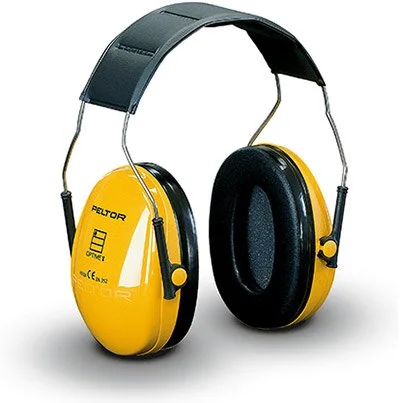
For an SNR of 25 dB, get the Honeywell Verishield VS140, comfortable when worn all day, same SNR of 25 dB and can be had for around the same price as the PW74. Or for Portwest, the PW72 have an SNR of 25 dB if you need that, or the PS46 have an SNR of 34 dB if you need the higher level. None of those have the ability to switch to a higher SNR, but I doubt that would ever be used much in reality.
Will I continue using them? No. The echo effect is awful, and when you add the pain from the headband into the mix then they are just unusable to me. A creditable effort, but a swing and a miss I’m afraid.
FAQ: Portwest PW74 Dual SNR Ear Defenders
Did you get sent them for free?
No, I pay for my hearing protection and paid for these.
We have different noise levels, these must be a good solution?
In a theoretical world, yes indeed. If someone is moving around a workplace and has areas of some noise risk and others with a lot of noise risk, then the variable SNR is a good solution to that.
But, will they actually do that? Every day, several times a day? For a small number of people I would think yes, but for the vast majority, no. Go into almost any factory and observe people’s behaviours already with hearing protection, even protection which is the correct SNR for the noise risk, and you will see endless examples of people not using it correctly to let more noise through. If they can do that with the turn of a switch then they will.
More help and advice on hearing protection at work















Article last updated: October 2026