
This is a common question and one which is a little nuanced as it depends very much on the situation.
Key points: what is the best hearing protection
Best doesn’t mean strongest, it means most appropriate for that use-case.
Some people will prefer plugs, some will prefer muffs.
What is best for work is not always best for loud music or sleeping.
There are recommendations below for each category of hearing protection.
I have worked in occupational noise safety for over 30 years, with over 20 years of that being a specialist noise assessor for workplace noise and over the years I have tried many many different types of hearing protection. A common question I come across is a simple ‘what is the best hearing protection’.
‘Best’ does not mean ‘strongest’
This is important - in almost all situations, what is needed is the right hearing protection which is not often the strongest hearing protection. ‘Best’ means the right level of noise reduction for the situation, comfort, ability to hear other important noises, and price.
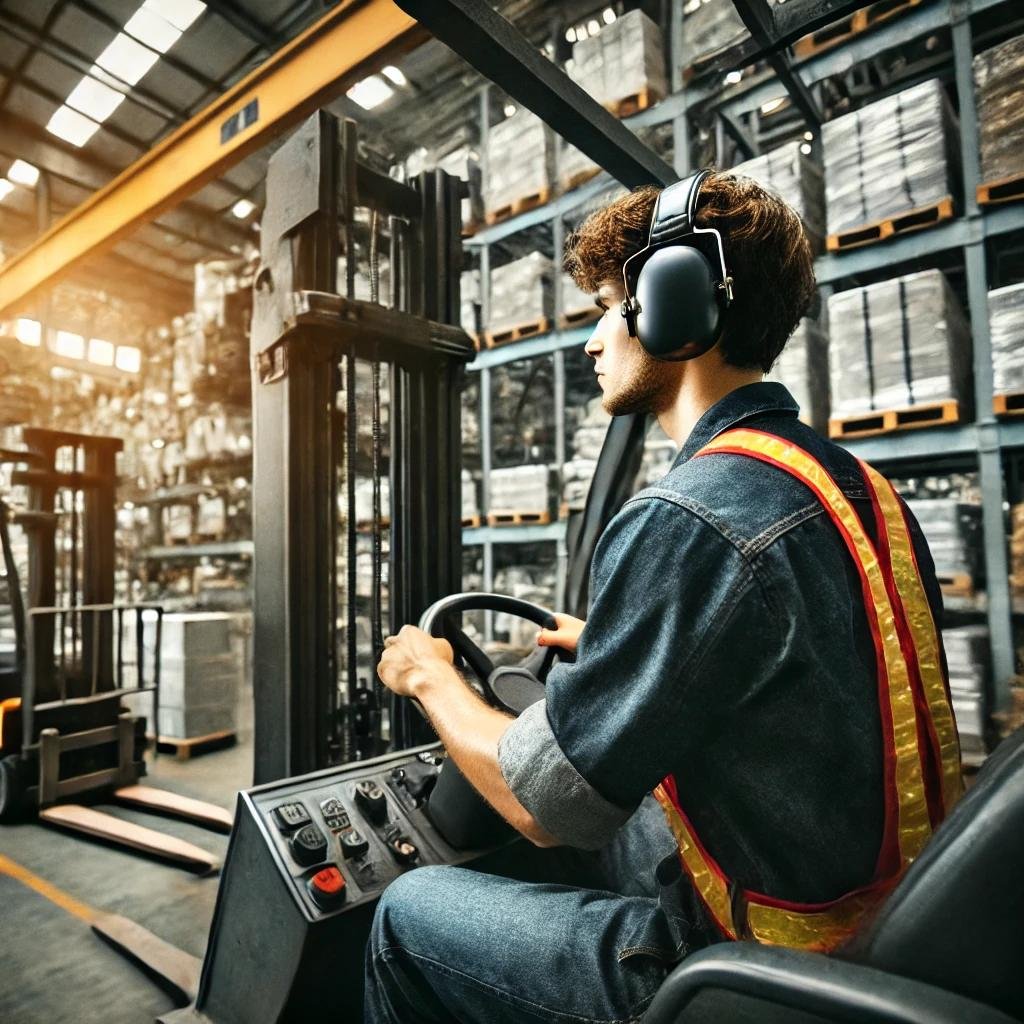
Best general ear plugs at work
Moldex Mellows plugs. SNR is 21 dB which is great for most workplaces - enough protection without being too much. Comfy and not a lot of pressure in the ears.
Uvex Hi-Com plugs. Again, a good SNR for most workplaces, a little stronger this time at 26 dB.
Best general ear muffs at work
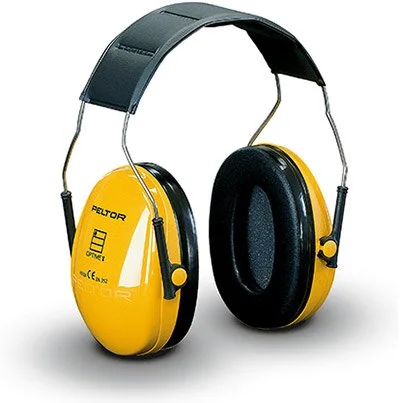
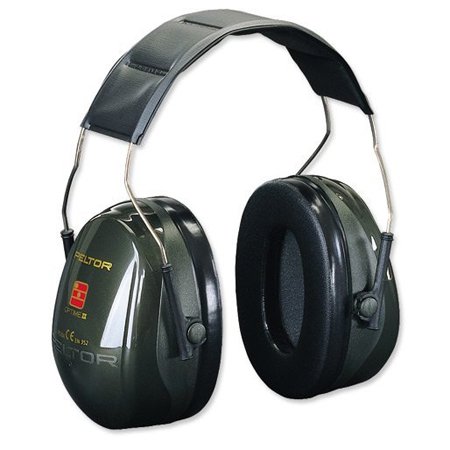
The Peltor Optime range of ear muffs are a go-to standard here, especially the Optime I (about £14) and Optime II (about £17). Comfy, long shelf-life, very robust built quality. Be careful with the Optime III at work as they are very strong and too much for a lot of workplaces.
Honourable mention also for the Honeywell Verishield range, especially the VS140 (about £16) and the Moldex M4 muffs (about £14).
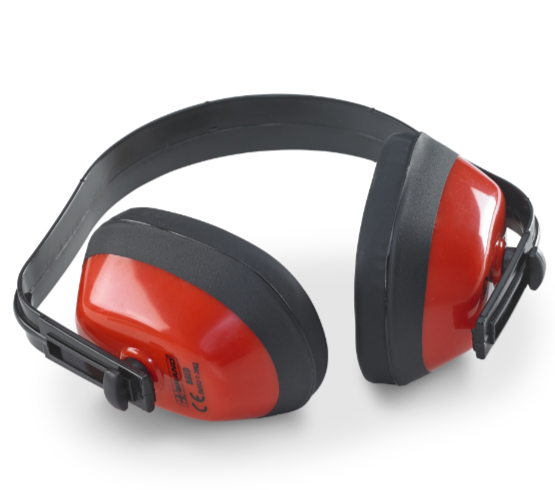
Beeswift are also worth a look at the other end of the scale, with the BBED having an SNR of 27 so good for most places, but cheaper than chips at about £3, often less in some places. They aren’t the best built ear muff, but at that price they are perfectly decent.
Best ear muffs with Bluetooth for listening to music
There is one standout winner here for ear muffs with music, the Portwest PW77.
They are comfortable to wear, cheap (I paid £33 + VAT for mine), all-day battery life, and the music quality is perfectly good. At this price and for the quality you get, the value is superb.
I have a review of these on the website: Review - Portwest PW77 Ear Defenders
Best ear plugs for sleeping
I spend a lot of time in hotels and always seem to get the room with a late-night clog dancer in the room above, or people shouting to each other down the corridors.
Unlike hearing protection at work, here stronger is definitely better, but it also needs to be comfy.
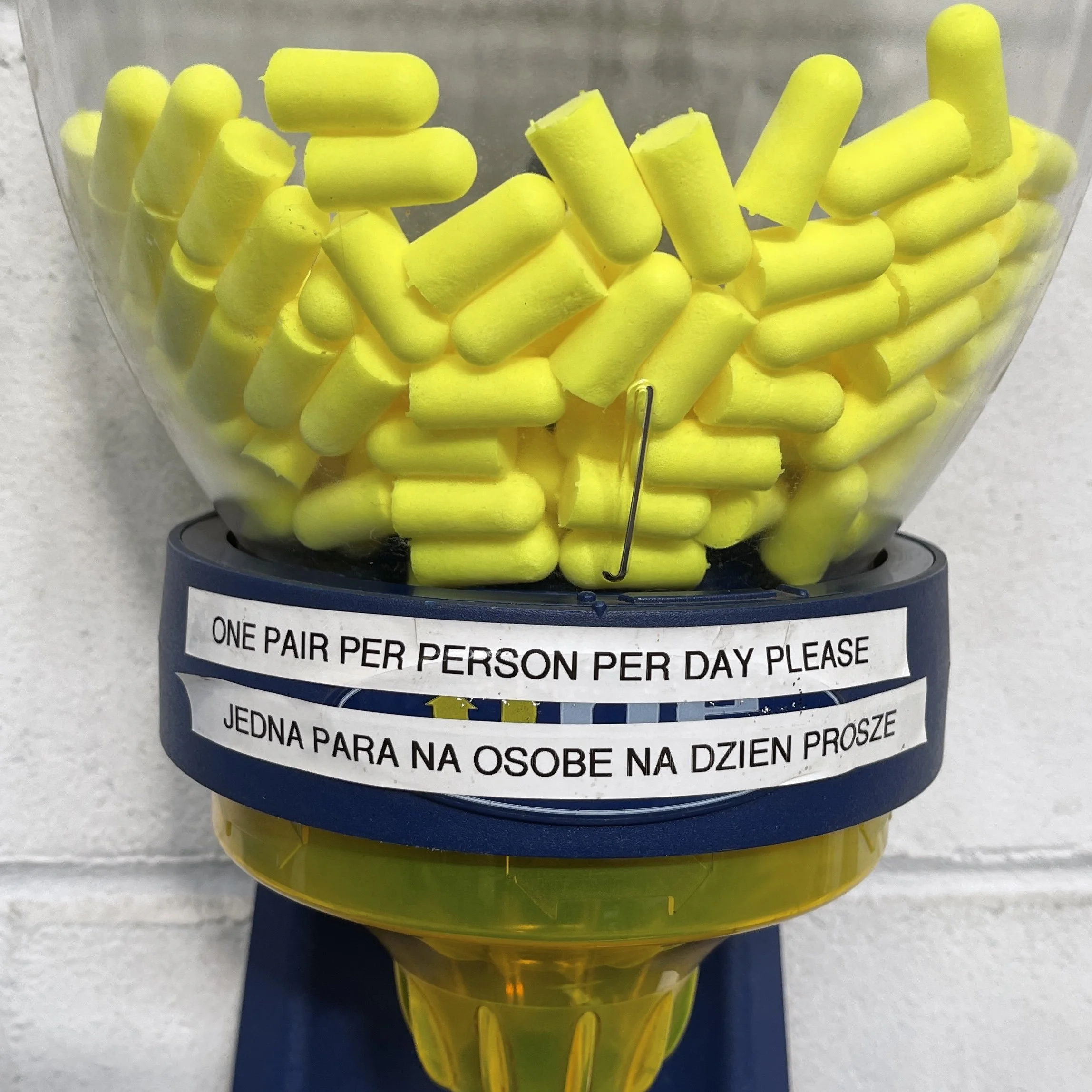
The stand-out product here is the 3M E-A-Rsoft FX. They have a huge noise attenuation of 37 dB but are also very soft so have no pressure issues on the ear canal. Don’t be put off by how big they look as they roll up very small when inserting them. They are also cheap, at about 20p a pair bought in a box.
I use these maybe three nights a week, every week, and they are excellent for sleeping. You can use one pair for two or three nights without losing too much noise reduction which makes them cheaper still.
Reuse at home is OK if you have somewhere clean to put them, but do not do this at work - each reuse degrades the amount of noise reduction you get and at work that could be a critical difference between them being safe and not being strong enough.
Custom ear plugs - often not the best
As a first headline, if you are taking ‘best’ to mean ‘strongest’ then custom plugs are not the strongest hearing protection available, far from it. They often have more of a mid-level performance in terms of noise attenuation.
Where they do score highly is comfort. As they are moulded to the person’s own ear they are usually very comfortable to use for long periods.
A warning though. The HSE did a study into the performance of custom ear plugs and in every product tested, the actual level of noise protection given to the wearer was below the manufacturer’s claimed performance levels.
Not one custom-moulded ear plug matched the SNR level claimed by their manufacturer.
Source data: HSE report RR727 custom moulded ear plugs
Best hearing protection for riding motorbikes
I have a motorbike and use it quite a lot, especially over the warmer months. Noise can be hellish on motorways and passing HGVs can get painful. Here the important issue is enough noise reduction to reduce the noise just a little, but not so much that you become isolated from all the other traffic on the road. The hearing protection also needs to be comfortable as the pressure of a helmet will get sore very quickly otherwise.
There is one stand-out product and the one which I use all the time - Loop ear plugs.
The Loop Experience 2 ear plugs are fantastic on motorbikes. They take the top off the noise without being isolating, you can still hear a helmet intercom or music system if you have one, and you can still hear traffic around you. They also have nigh-on no pressure on the ears.
Read my review of Loop ear plugs.
Best hearing protection for places with loud music
Here, what is important is not really how many decibels the protection reduces the external noise by but is how much the hearing protection changes how the music actually sounds. Most hearing protection is stronger at certain frequencies meaning it reduces some parts of the noise more than others and with music this effectively distorts how it sounds.
There is an easy way to assess this though - look for the HML figures for the hearing protection, not just the SNR. HML means how many decibels it reduces noise by at High, Medium and Low frequency ranges and the more even this is the better. The bigger the difference in the numbers the more it is changing how the music actually sounds.
All the best ones on the market I am aware of are just normal bog-standard hearing protection, not being sold as specifically for music. My recommended products are:
Keep Safe Moulded Reusable Ear Plugs. Cheap, about 50p, and reusable. Difference of only 1 dB in the entire HML range.
Uvex X-Fit reusable plugs. Again cheap, in this case can be found for as little as 14p, reusable and a difference in the HML values of only 2dB.
The best workplace hearing protection overall
What single product is the best hearing protection above all others is actually easy to answer, although the answer is perhaps a little unexpected.
The best hearing protection on the market right now, as of October 2026, for pretty much any situation except sleeping are the Apple AirPods Pro 3.
For workplaces and occupational noise especially these are faultless and far better than anything else on the market, but why?
They have a built-in fit check. This is a test which the ear buds can run that confirms the fit by checking for noise leakage. No other hearing protection on the market actually tests the fit and confirms it is good.
They can change the protection level depending on the external noise level. If it is only slightly over the safe limits then have them in Transparency Mode for just a little protection, or if the external noise is very high, put them in Noise Cancelling Mode for a huge 29 dB of noise reduction. Or use Adaptive Mode for something between where the level of noise reduction changes automatically depending on the external noise level. Nothing else comes close to that level of suitability for a wide variety of noise risks.
They can be set to automatically adjust to voices when you speak meaning no temptation to remove the ear bud to have a conversation with people when in a high noise area.
As a note, this is specifically the AirPods Pro 3 and not any other type of AirPods or indeed any other type of standard music headphone or ear bud, whether they are noise cancelling or not. AirPods Pro 3 are the only music headphones which are also certified to EN 352, meaning they are actually hearing protection - that’s exactly the same standard all other hearing protection is assessed to.
There are downsides to them:
They are pricey - usually something around £230.
They only have the full suite of hearing protection features with an iPhone so Android users are out of luck.
The employer needs rigorous management protocols in place to ensure they are indeed the AirPods Pro 3 and not any other make or model, and that EN 352 protection is turned on and active.
Hearing protection BS…
There is a lot of nonsense in sales-patter online when it comes to hearing protection and these are the bits to watch out for:
Strongest is best - look how powerful our hearing protection is
No, for workplace noise stronger is not better. Hearing protection needs to be enough but not too much or people end up isolated, can’t hear alarms, vehicles or speech, and then remove the protection to let more noise through.Selling hearing protection specifically for places with loud music
There is quite the market in selling pretty expensive hearing protection and saying it is designed for places like concerts, festivals or other places with loud music. There is nothing special about protection from music and often the products specifically marketed for this are worse than standard hearing protection. See the music section for more on this.Blocks all external noise
A phrase often beloved by some of the more enthusiastic and newer-entrants into the hearing protection market, but pure BS of the highest order. No hearing protection blocks all external noise, it is not possible. Some noise will still pass through the protector, but you also hear a lot of noise via vibrations passing through the skull which bypasses the hearing protection completely.
FAQ: what is the best hearing protection
You don’t mention bone conduction, why not?
Bone conduction headphones are not hearing protection, they have no function for reducing external noise levels.
More help and advice on hearing protection at work





Article last updated: November 2026