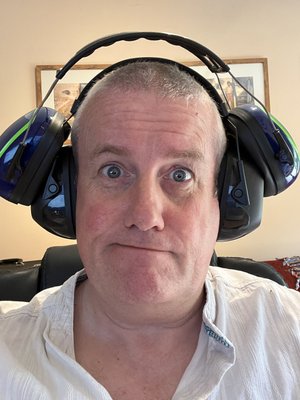

What to do if someone refuses to wear hearing protection.
In a noise assessment, it is common to hear a comment along the lines of ‘we’ve given them hearing protection and told them to wear it, so what else can we do’, but unfortunately that is not the end of the employer’s obligations for hearing protection.
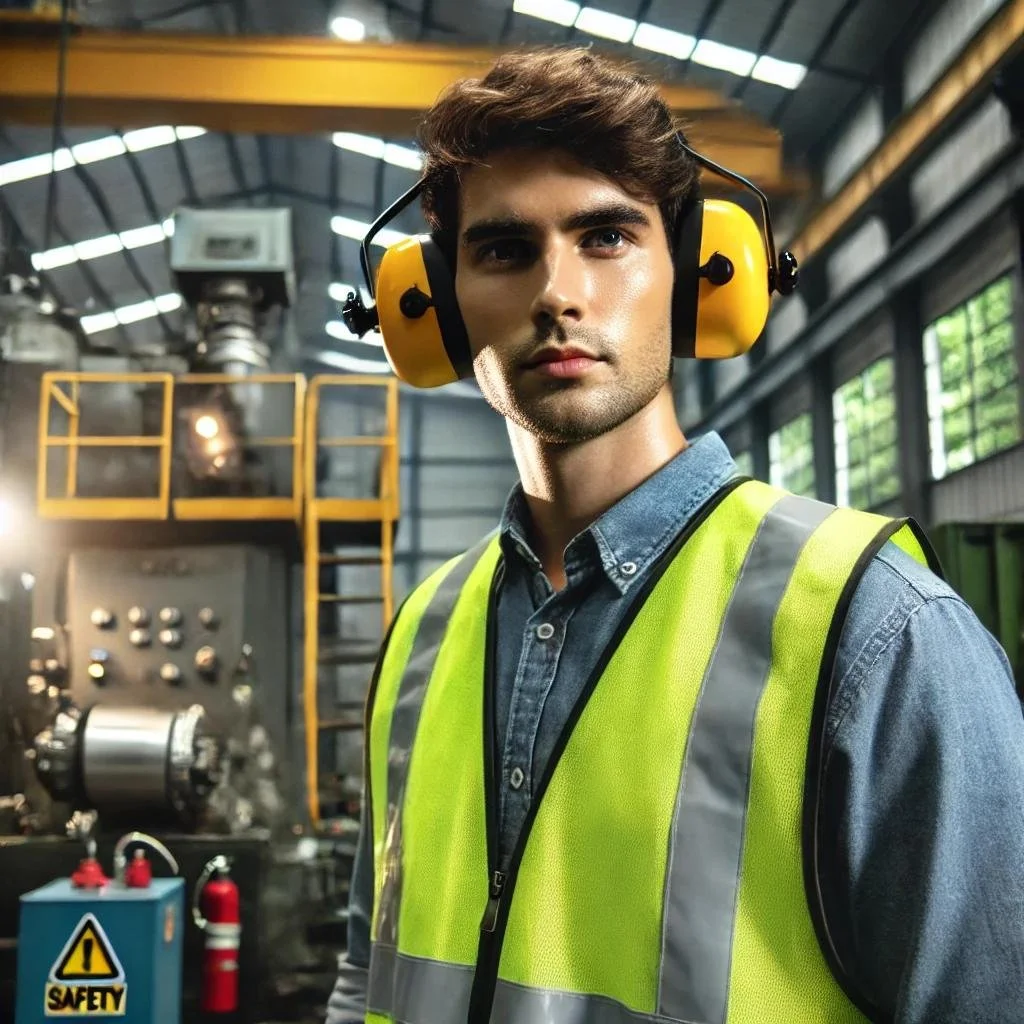
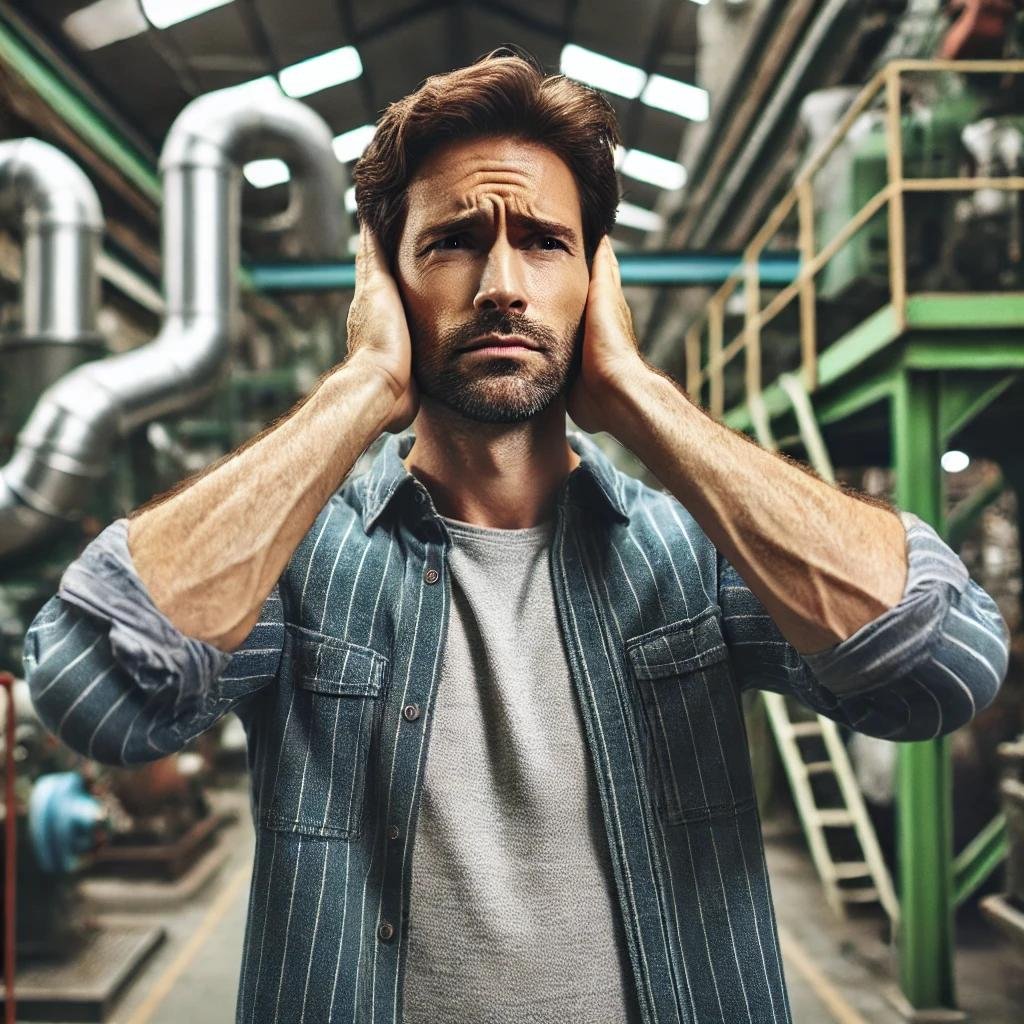
Key points: Someone who refuses to wear hearing protection at work
The need to wear hearing protection in a noise risk area is absolute, there are no exemptions, not even on medical grounds.
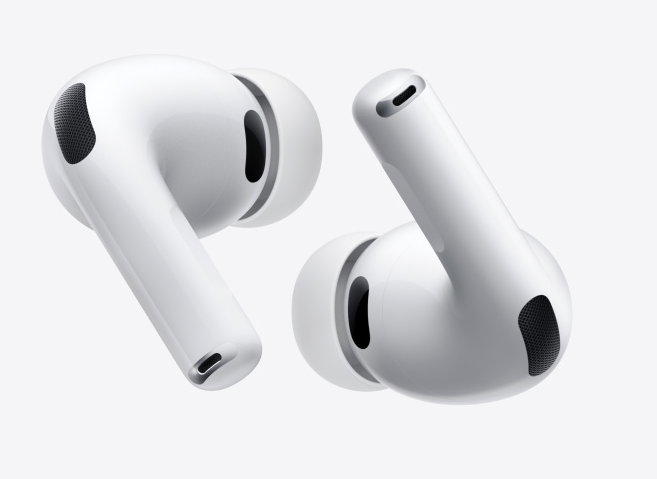
Try different styles of protector.
Ultimately though, it has to be worn. if they still refuse then they can’t work there. If there are no quiet jobs available then that will mean termination of employment as the employer cannot allow them to work knowing they are at risk.
Under the Control of Noise at Work Regulations 2005, employers have to:
Ensure hearing protection is suitable for the noise risk via the noise assessment
Issue it to everyone who needs it.
Have a choice of styles available as not everyone will be able to wear the same thing. (E.g. some people do genuinely have smaller ear canals or more cat’s eye shaped ones so a round silicone plug may simply not fit).
Tell people where and when it needs to be worn and how to wear it (e.g. no muffs over hoods or hats, or hygiene and insertion methods for plugs).
Have signs saying where it needs to be worn.
That bit is fairly straight-forwards, but then employers also need to:
Monitor its usage to ensure it is indeed being worn and being worn correctly.
Enforce it’s usage
Take action where people are found not to be wearing it.
If people are working in a high noise area then not wearing hearing protection is not an option, no matter what the issue.
If they don’t like it, that doesn’t remove the need to wear it.
If it causes pain, that doesn’t remove the need to wear any form of hearing protection, the HSE even specifically say this in L108.
Having hearing aids is still not a reason to avoid the use of hearing protection - I have a separate article on this here:Hearing protection for hearing aid users.
If someone says they cannot wear hearing protection there are some steps to be followed:
Try different styles. If a silicone ear plug causes pain, try a foam one or ear muffs.
If there is no hearing protection which they say they can wear, they must be removed from the risk which means moving them to a job where there is no noise risk.
If there is no such low-noise job available, the unfortunate position is that they still cannot work in the high noise area without hearing protection, and as there are no other jobs, terminating employment is the only option.
A G.P. or H.R. cannot exempt someone from the use of hearing protection in a high noise area, if it is needed then it is needed.
Side-comment on the training.
I am well aware a lot of employers will huff at the idea of having to train people on how to put an ear plug in but that is part of what the HSE say is needed in L108 I’m afraid, Also… I was at a site in Swindon for a noise assessment and asked the Production Manager if they had done the training on hearing protection. He looked sad and said ‘We need to. I had a new starter a few weeks ago and handed him some ear plugs but before I could tell him where he needed to wear them he’d eaten them’…
FAQ: Refusals to wear hearing protection at work
It seems unfair that if I find all hearing protection uncomfortable then a possible final outcome is losing my job?
To be honest, yes, it does, but not every job is suitable for every person. You wouldn’t have a blind person working as a bus driver. If someone absolutely cannot wear hearing protection, even if backed up with a medical reason supported by a GP, they still cannot be allowed to work somewhere which is known to cause a risk. Effectively their inability to wear hearing protection makes them as unable to do that job as the blindness stops someone driving a bus. An employer cannot overrule that as much as they may want to.
Surely a medical reason for not wearing hearing protection is OK?
No, the HSE are very specific in that they do not allow medical exemptions.
More information and help on managing hearing protection at work









Article last reviewed April 2026