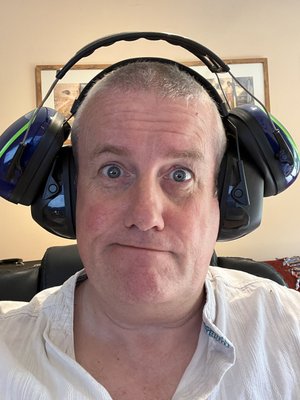

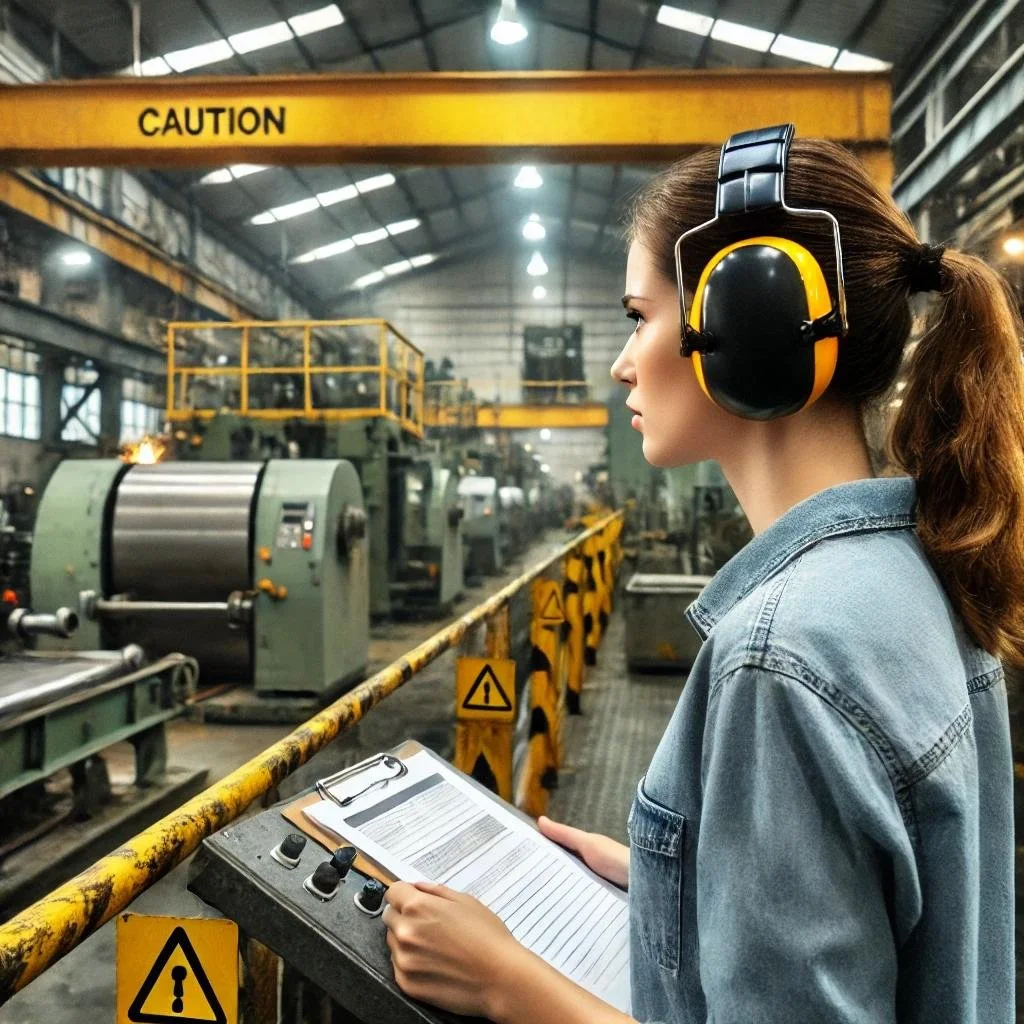
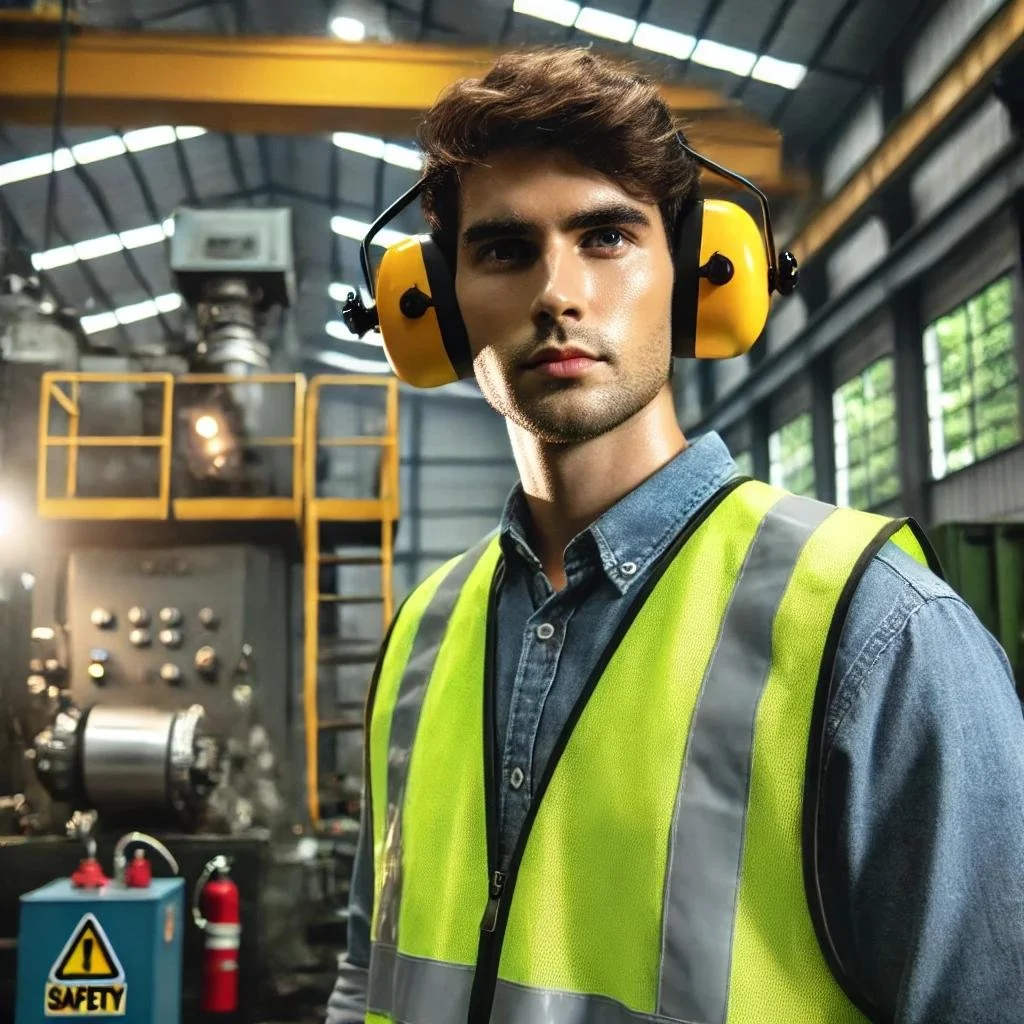
There is a common belief that ear muffs (ear defenders) are better in terms of hearing protection than ear plugs, but is this actually true?
Key points:
It is an oft-repeated thought that ear muffs are ‘better’ than ear plugs.
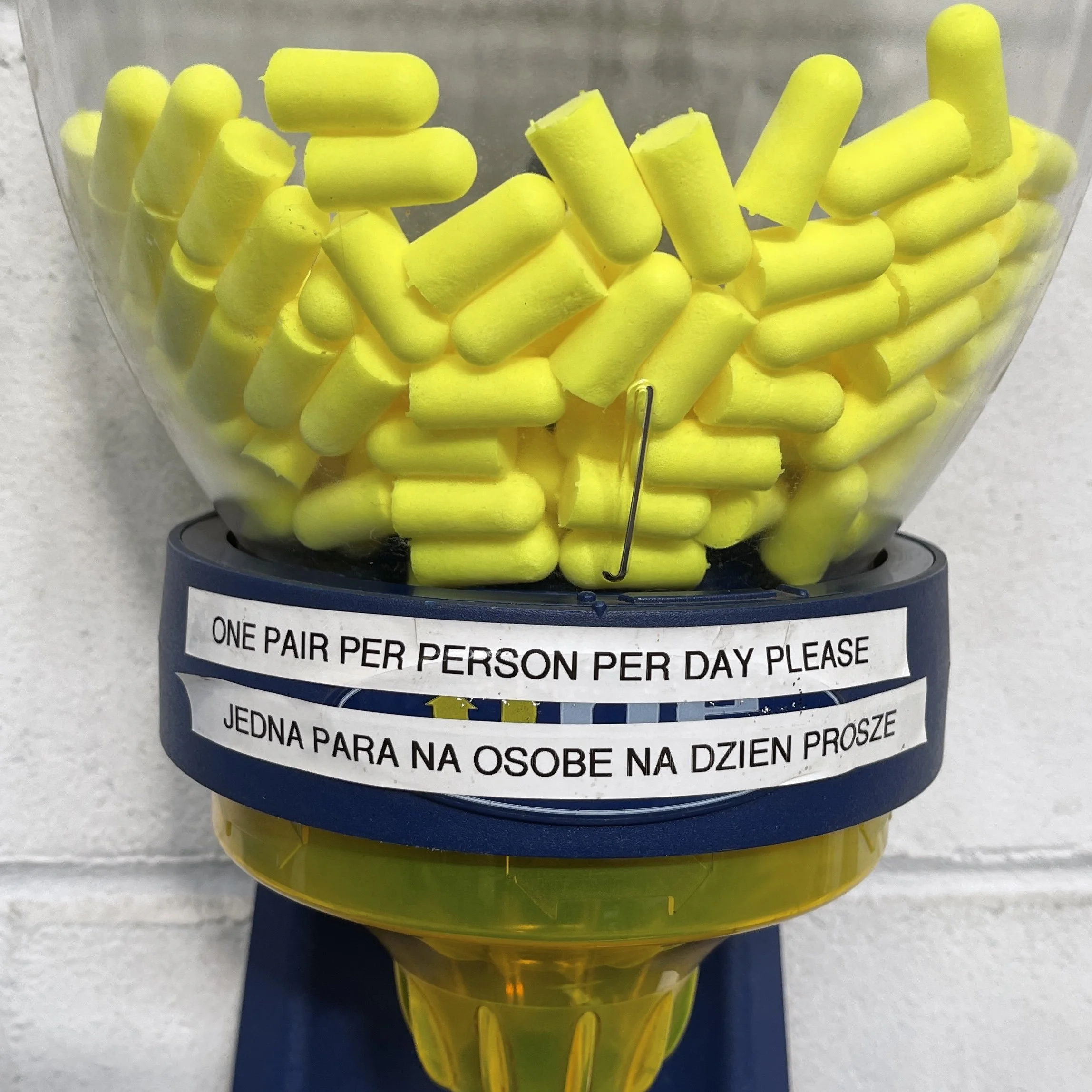
The strongest hearing protection on the market are all disposable ear plugs.
The lowest (gentlest in terms of noise reduction) hearing protection on the market are all ear plugs.
Ear muffs sit in the central range with the same noise reduction properties as many ear plugs.
Some people find muffs more comfortable, some find plugs more comfortable. Each should use what works on that basis.
Ear muffs can be rendered very ineffective by things such as a baseball cap rim breaking the seal or thick beards or hair breaking the seal. A hood, hat or any other fabric completely covering the ear with the muff over the top will render the muff largely ineffective and muffs cannot be used in these situations.
How is ‘better’ being defined?
There is a related issue which needs to be clarified first, which is the use of the word ‘better’ as that open to a lot of interpretation.
Does ‘better’ mean ‘strongest’, as in ear muffs provide more noise reduction than ear plugs?
Does ‘better’ mean more comfortable?
Does ‘better’ mean ear muffs are easier to use correctly?
Is stronger hearing protection always better?
To give an absolutely clear unequivocal answer: strongest is not automatically ‘better’ in terms of hearing protection, indeed for the majority of workplaces, strongest is worse.
Hearing protection needs to be correct for the job, and that means enough protection without becoming isolating. If hearing protection is too strong the risks to hearing tend to go up, not down.
This is called over-protecting and is very much something the HSE say must not be done in L108: Controlling Noise at Work, and is something they look at during onsite inspections.
Link: Risks of over-protecting
Are ear muffs stronger hearing protection than ear plugs?
So, setting aside the question of whether the strongest is actually needed, are ear muffs stronger than ear plugs?
The answer to that is again very clear, no.
The stongest hearing protectors
The strongest hearing protection on the market are ear plugs, not muffs. Using SNR (Single Number Rating - how many decibels the hearing protection reduces noise by), some of the strongest hearing protectors on the market are:
Betafit’s HP range of ear plugs have an SNR of 39 dB
Beeswift’s QED301 plug range have an SNR of 38 dB
Detectamet’s disposable foam ear plugs have an SNR of 38 dB
Portwest’s EP20 disposable foam ear plugs have an SNR of 38 dB
Ultimate Industrial’s EP301 range of foam ear plugs have an SNR of 38 dB
3M’s Peltor X5A muffs have an SNR of 37 dB
Delta Plus’s Conic2 foam plugs have an SNR of 37 dB
JSP’s PU Soundstopper foam plugs have an SNR of 37 dB
JSP’s Sonis 3 ear muffs have an SNR of 37 dB
Honeywell’s Verishield range of muffs tops out at 36 dB
As you can see, all the strongest protectors with an SNR of 38 or 39 dB are disposable ear plugs, while the strongest muffs on the market only start at an SNR of 37 dB and only become more common at 36 dB and downwards.
Disposable plugs can be stronger than ear muffs in terms of noise reduction.
The gentlest hearing protectors
At the other end of the scale, the pattern repeats.
Loop’s Engage 2 ear plugs have an SNR of 16 dB
Screwfix’s SEP200 banded ear plugs have an SNR of 16 dB
Skytec’s Sota DP23 disposable ear plugs have an SNR of 19 dB
Ultimate Industrial’s EP103X ear muff has an SNR of 21 dB
Delta Plus’s Spa 3 ear muff has an SNR of 23 dB
Muffs then become more common once SNR’s reach 24 dB and upwards
Summary on which is strongest
Ear plugs come in a big range of SNRs, from 16 dB to 39 dB, while ear muffs sit in a much narrower band of 21 dB to 37 dB.
Are ear muffs more comfortable than ear plugs?
This one is entirely subjective.
Some people hate having things in their ears, or if they have narrow or more cat’s-eye shaped ear canals an ear plug can cause some pain as the ear canal can be very sensitive. For them, a muff is probably better.
Some people hate the squeezing effect of an ear muff, which they need to have in order to work, and may get headaches over time from them. Others find them too hot, especially in warmer summer months. For them, an ear plug may be more comfortable.
Other limitations of ear muffs - breaking the seal
Ear muffs need a good seal around the ear in order to work properly, which means nothing breaking that seal. Some common issues are:
Bump caps or baseball caps - the rim sits close to the ears and will be enough to lift the muff’s cushion slightly, meaning the actual level of safety from the muff is probably far less than the headline SNR.
A thick beard will break that seal, with the same issue.
A lot of long hair can break the seal, again, letting more noise through.
Glasses, especially with slightly thicker arms, can break the seal.
Any type of hood or woolly hat causing the muff to sit up over it will reduce the effectiveness, while a muff placed entirely over a hood or hat pulled down over the ears will be largely decorative only.
Thick chunky ear rings can be an issue - especially those massive washer things sitting in the ear lobe. They can lift the bottom of the muff up, again rendering them much less effective.
Ear plugs also have their issues and people commonly don’t fit them properly either.
But ear muffs are not ‘better’ than ear plugs because it is easier to use them correctly, both have issues.
Related issue - double hearing protection
Sometimes Occupational Health Pysicians may come back with something like ‘wear double protection’, which means ear plugs and ear muffs together.
In my experience, in every case I have seen this it was simply incorrect as the issue was not that the hearing protection was too weak, it was not being worn properly.
In one case I had, Occupational Health came back saying someone should wear double protection when I had already measured the noise there and the hearing protection was already far too strong for the noise risk. Doubling it would make people no safer, indeed the over-protection would likely increase risk, not decrease it.
Link: Issues with wearing double hearing protection
Summary - are ear muffs better than ear plugs?
No.
I cannot be plainer than that, no, they are not ‘better’.
They are not stronger than disposable plugs and they are not weaker (gentler) than ear plugs. They are just different and some people may prefer a plug, some a muff.
But all the provisos about not breaking the seal on an ear muff apply as anything breaking the seal will dramatically reduce the effectiveness of an ear muff. It is especially true that if someone has a hat or anything covering their ears then an ear muff cannot be used.
FAQ: Are ear muffs better than earplugs?
What do you consider the best hearing protection?
This is not an answer I expect employers to run with and is probably unexpected, but there is one hearing protection product which in my experience is light-years ahead of every other hearing protector on the market…
As of 2026 I rate Apple’s AirPods Pro 3 as the best hearing protection available.
They are certified to EN 352 meaning they are hearing protection - they are the only standard headphones I am aware of which are certified like this.
Their SNR can change depending on mode and Adaptive Mode especially is superb - blocking out enough noise without being too much, while being perfect for most workplaces. The Conversation feature means speech can be very clear no matter what the background noise, and they are comfortable.
They are also very expensive!
More help and advice on hearing protection
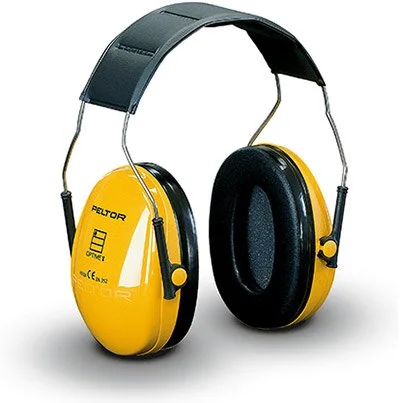
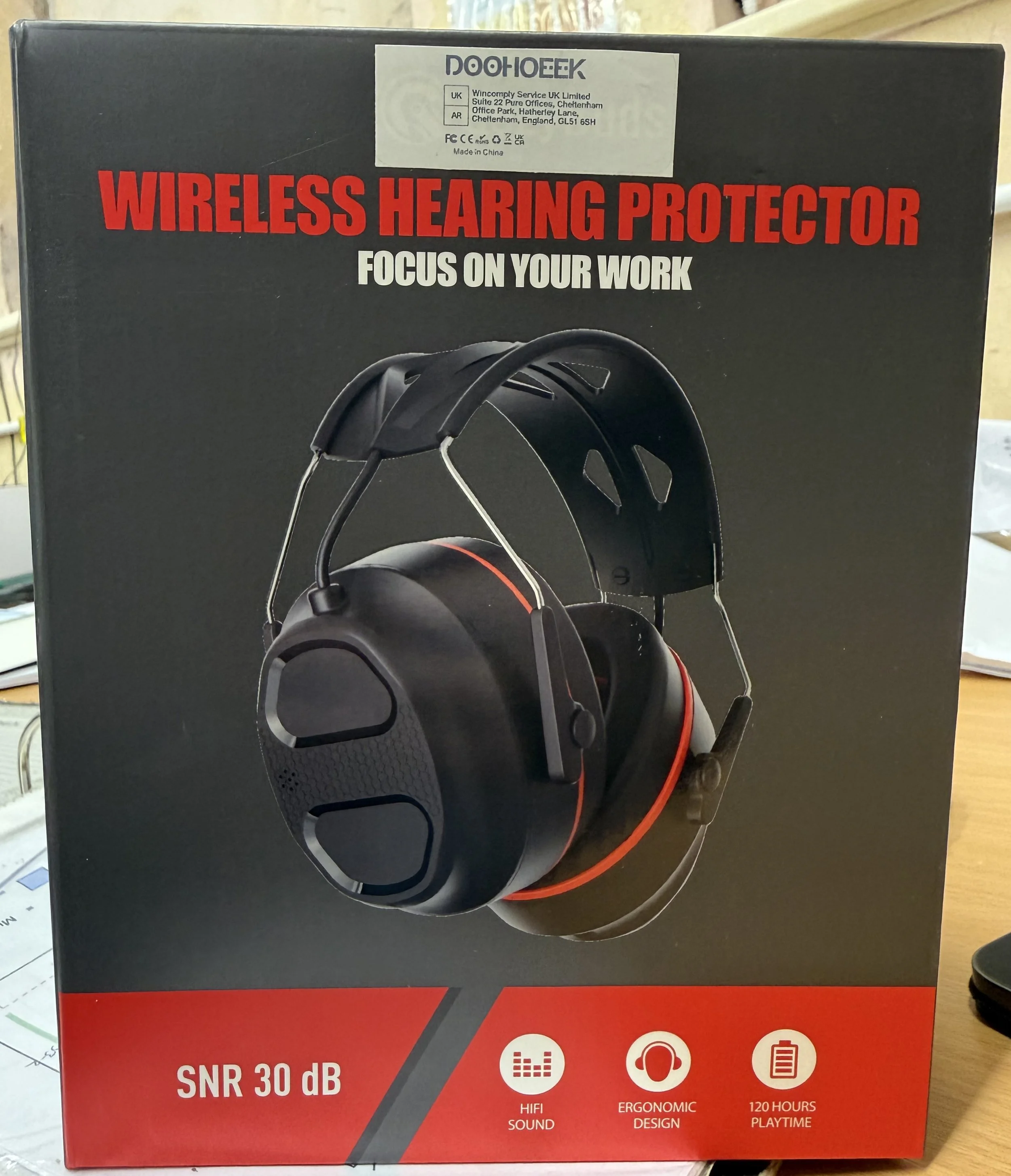
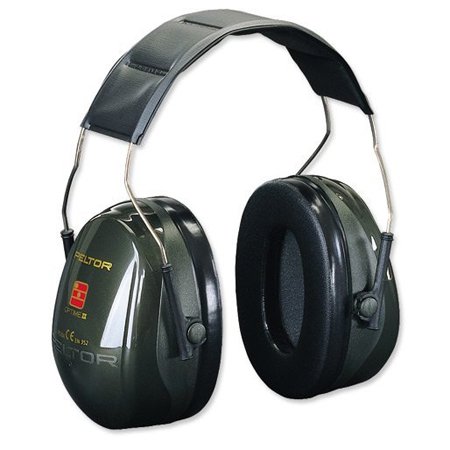






Article last updated: October 2026