
RIDDOR consultation on reportable hearing damage
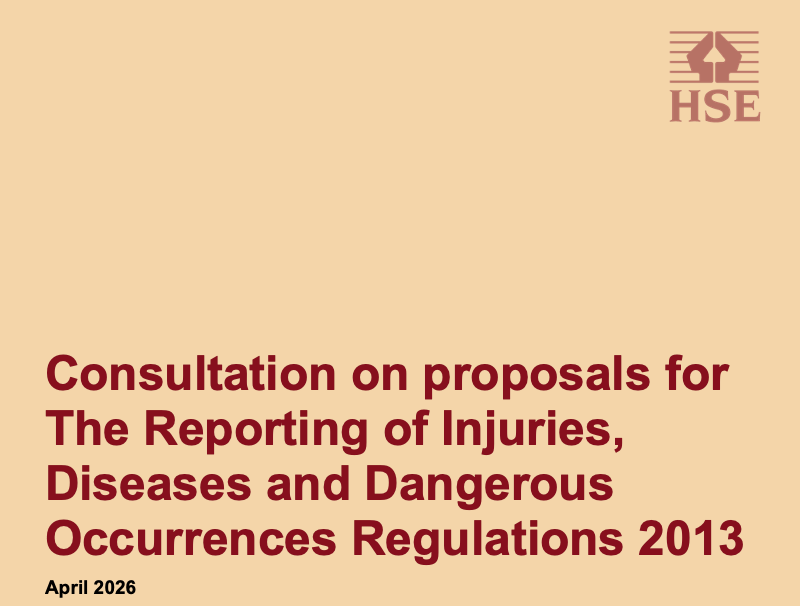
In 2026 the HSE issued a consultation document proposing changes to the UK’s RIDDOR rules, proposing the introduction of a new requirement for noise induced hearing loss to become a reportable disease.
Key points:
Consultation on the RIDDOR changes closed in June 2026.
The proposal is to make noise induced hearing loss a reportable Occupational Disease in the next RIDDOR revision.
It also expands on who can diagnose the hearing damage to include occupational health nurses.
This would require identification of new or worsening hearing loss which could be due to noise to be reported to the HSE.
RIDDOR - the Reporting of Injuries, Diseases and Dangerous Occurrences Regulations - is subject to occasional review and the HSE’s latest proposal introduces hearing damage potentially caused by noise to this for the first time.
This is not the only change and it also reintroduces nine older diseases which were dropped previously, alongside four new ones.
Alongside that, up to now an occupational disease needs to be diagnosed by a ‘medical professional’ so a GP or other specialist. The proposal expands on who can make this diagnosis and introduces occupational nurses as a group who can do it. That is significant as most hearing testing done at work for health surveillance is overseen by an occupational health nurse. It removes that additional step of needing an upwards referral to get the diagnosis confirmed.
This is not law yet, but what is included in consultation documents does tend to end up in the final regulatory changes.
My opinion on this
I am well aware this has no weight whatsoever, but… ‘Well intentioned but hopelessly misguided’ would be my summary.
Pretty much all noise does the same damage to hearing and it is impossible to tell from a hearing test whether it has been caused by work or by non-occupational exposures such as DIY, headphones, concerts and so on.
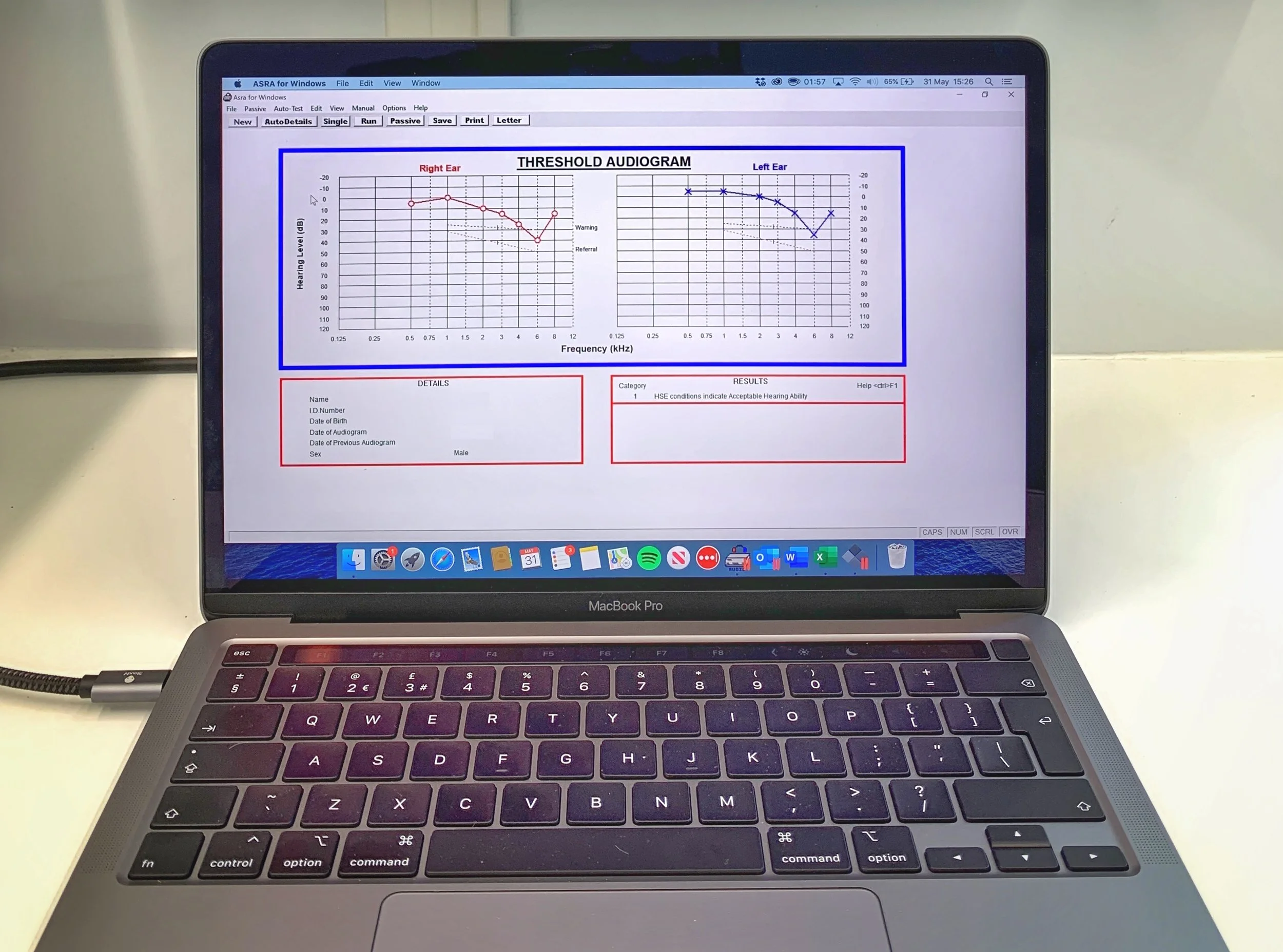
Indeed, some studies have shown that the ‘notch’ in an audiogram which is used to decide if noise damage is present is actually the perfectly normal result for around a third of people who have had no significant noise exposures. (References in the linked page above).
In addition, it is not to trivialise it as it can be life-changing, but some noise damage is so common it is the majority of people who have it, the only question is to what extent. A lot of people get some damage in a more exuberant youth and as the damage is permanent it will always be there - if they start a new job then that will be a ‘new’ case of noise induced hearing loss. Again, more details are in that linked page.
It also takes no account of more recent scientific discoveries showing that noise damage can be in the connecting nerves rather than in the cochlea, and this type of damage is not picked up on a health surveillance hearing test.
In health surveillance, people are asked about their non-work noise exposures and having done those kinds of tests for many years in the past, the answers are mostly absolute cobblers to be honest. They say ‘nothing’, you do a test and find damage, then chat more and it comes out they were a serial weekend clubber for years, or a DJ, or do a lot of DIY.
It is going to cause chaos frankly.
An employer who takes on a new starter who has some pre-existing noise damage, whatever the cause, is going to have a ‘new’ case to report.
An employer may have someone with deteriorating hearing but it is nothing to do with workplace noise. The hearing test cannot determine cause, just effect, but it will be reportable.
We will have to wait and see what the final version of the RIDDOR change looks like to see if the HSE manage to introduce any filtering or mitigation steps for this.
FAQ: Proposed inclusion of noise damage in RIDDOR
Does this mean we have to report all Category 3 hearing tests now?
No, this is at the consultation stage, it is not law yet.
More help and advice on health surveillance for noise








Article last updated: