

Hearing protection selection tool - HML route
HML can be a little more accurate than the standard SNR route in some circumstances.
This tool allows you to enter your average dB(A) and dB(C) noise levels and it will give a list of suitable hearing protectors using the HSE’s HML calculations, listed by name, type and expected noise level under the protector - the noise people actually hear.
It can also be filtered by type, so muffs, plugs, detectable plugs, clip-on muffs for hard hats, etc.
A selection tool using SNR is also available.
Key points: HML hearing protection selection tool
SNR is the ‘good enough’ route specified in the HSE’s L108, but HML is a ‘better still’ route.
To use this you need to know two noise levels, the average dB(A) and the average dB(C) for your noise risk. Remember, that is the average dB(C), not the peak.
Most of the time SNR and HML give the same answer, but an example of where HML can be better than SNR is where there is a lot of noise in a specific frequency range. For example, in cases where the noise is weighted towards very low or very high frequencies, HML takes more account of that than the standard SNR route.
The HSE say in L108 that you should aim for a noise level at the ear of around 70 to 78 dB so this is the range which comes up as ‘suitable’ in this tool.
If you want more tools for choosing hearing protection, this page has tools which allow you to enter an SNR and your noise level and it will say whether the SNR is appropriate, or another which can tell you what range of SNRs to aim for to cover a given noise risk.
As a related issue, most hearing protection has a set shelf-life after which it expires and should be replaced. As this information can be a little hard to find there is a free hearing protection shelf life tool available as well for a lot of common hearing protectors.
Types of hearing protection
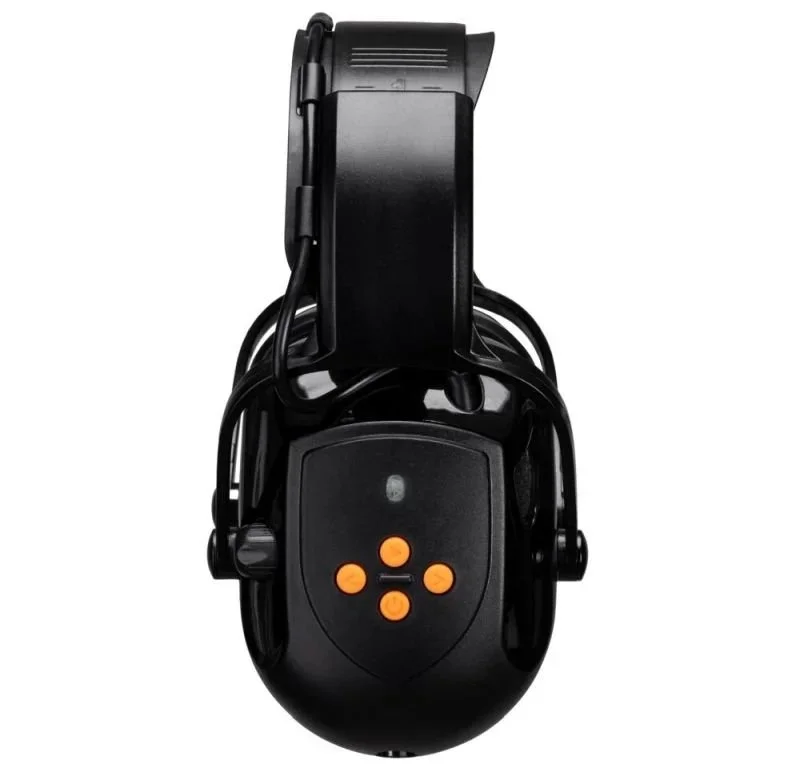
Muff (electronic) - fancy ones with active noise suppression and speech pass-through at lower noise levels.
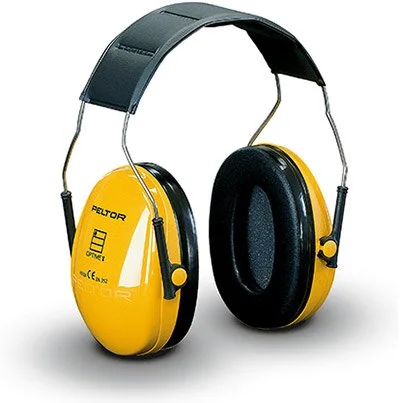
Muff (folding) - the headband folds against the cups so it is smaller in storage, otherwise same as standard headband ones.
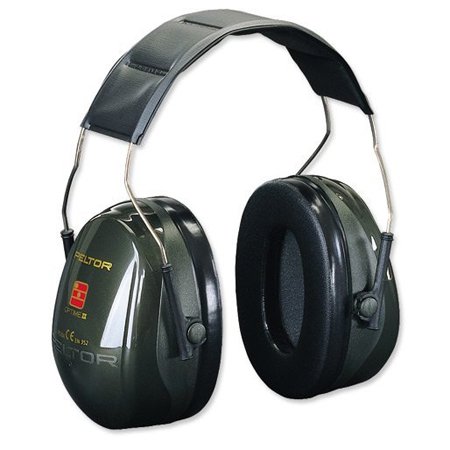
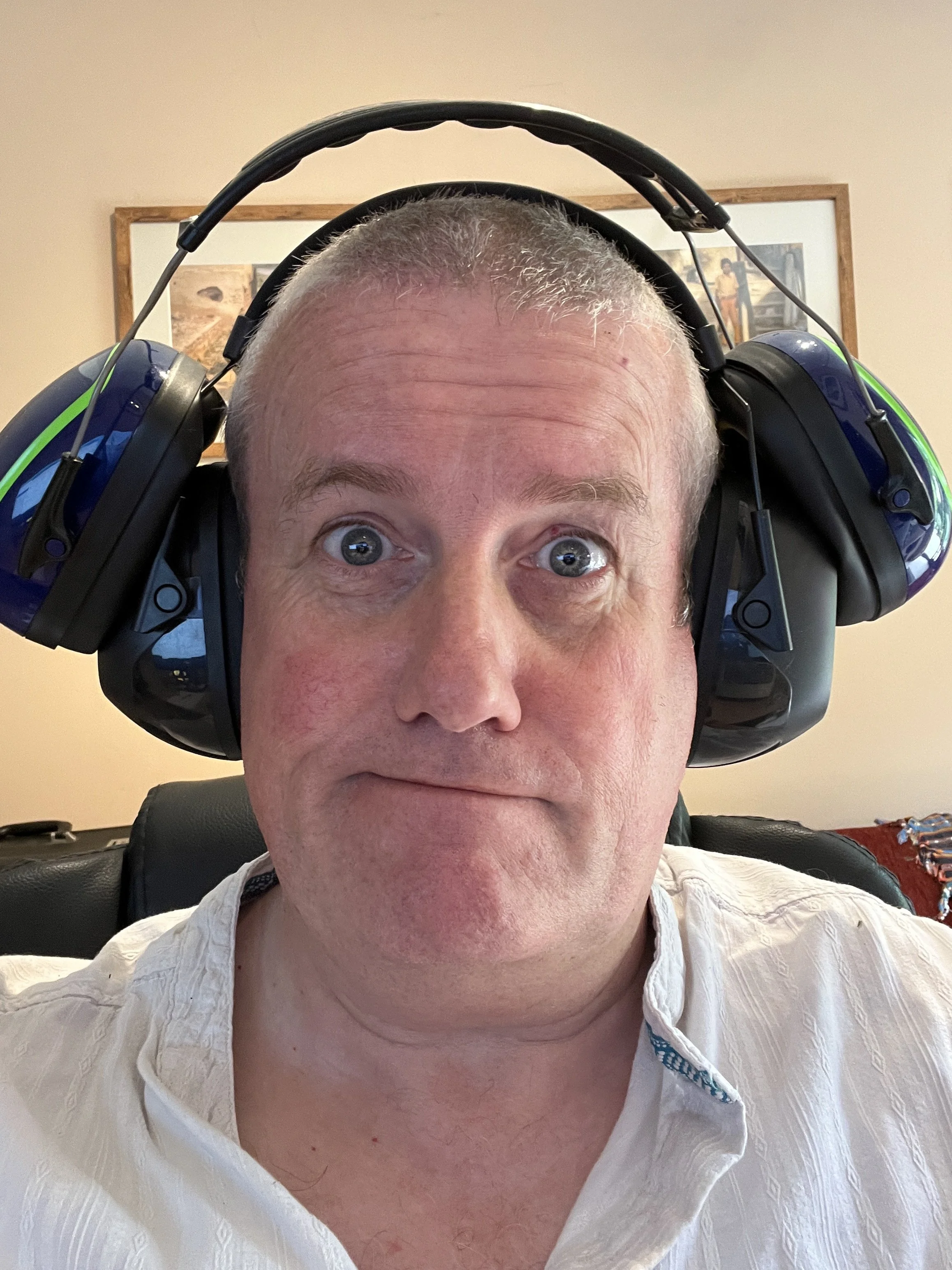
Muff (headband) - your standard over-the-head style of ear muff.
Muff (helmet) - a helmet / hard-hat mounted ear muff, one which clips on to a hard hat.
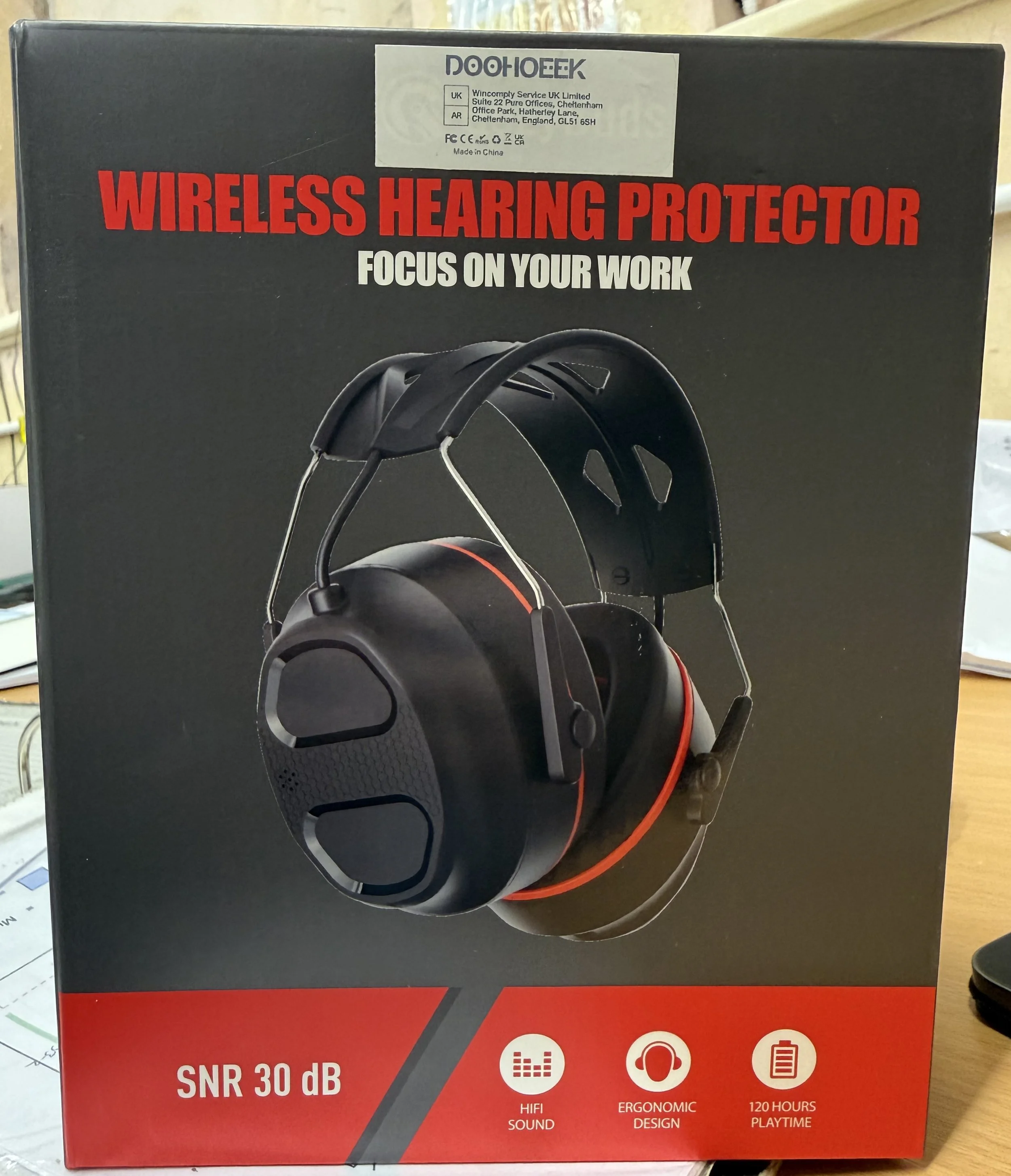
Muff (music) - an ear muff which has Bluetooth (or less commonly these days, an aux connection) for music playback.
Muff (multi-position) - a muff where the band can go over the head or round the neck, while keeping the muff in position.
Muff (neckband) - one where the band goes round the neck rather than over the head, handy if wearing bump caps, etc.
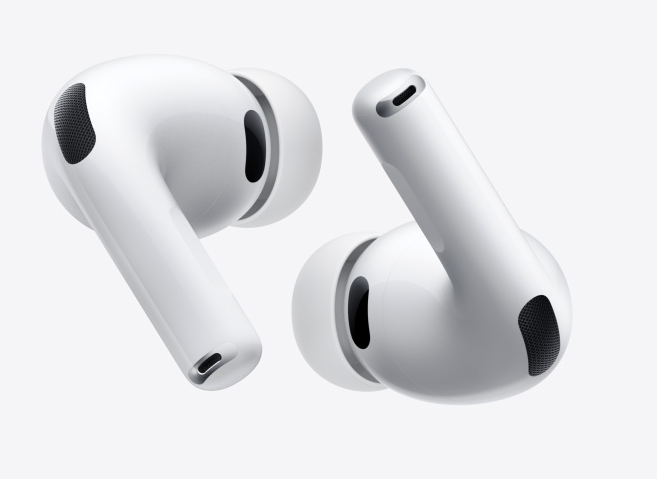
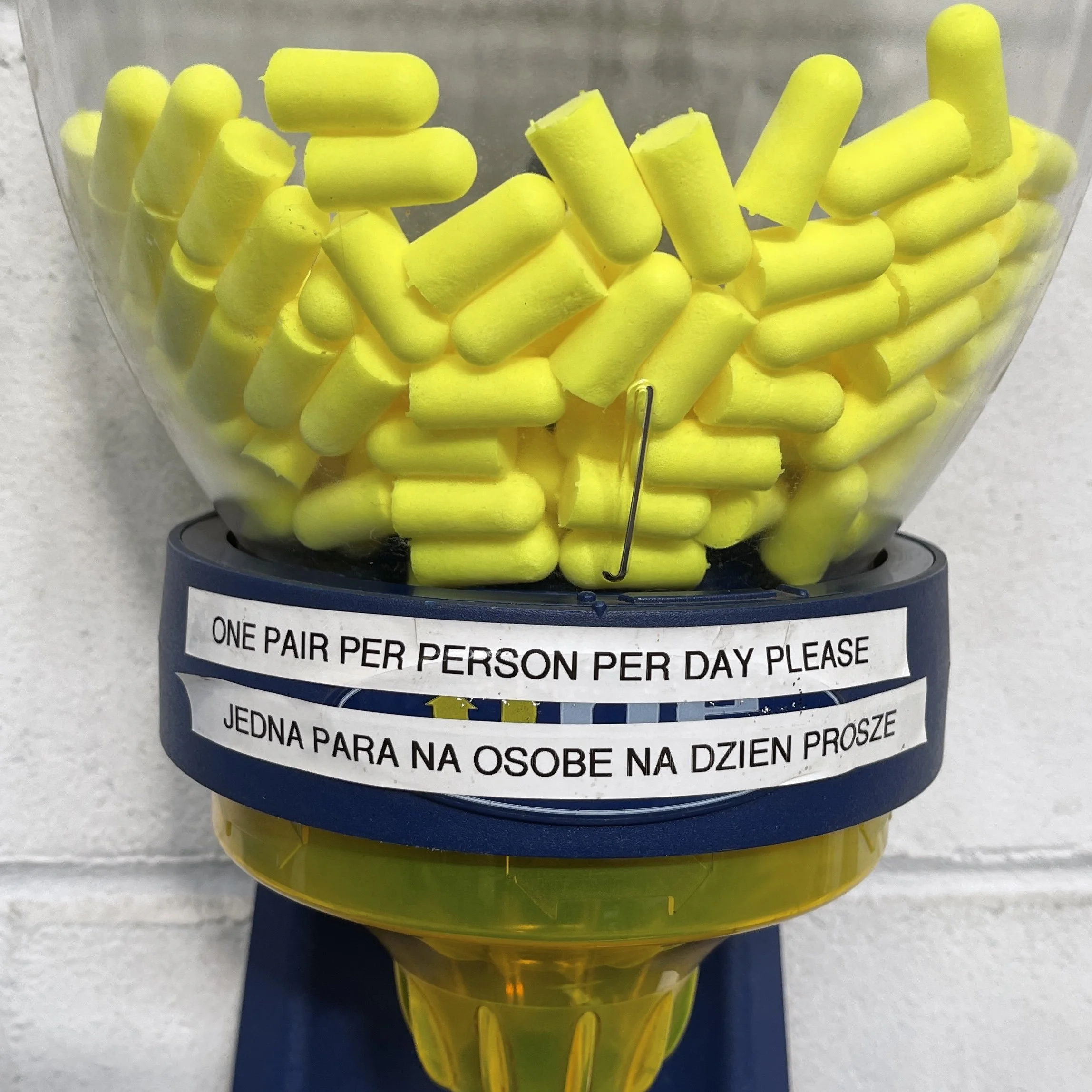
Plug - your standard in-ear plug. Could be disposable or reusable depending on type.
Plug (banded) - has soft plug-style ends which typically sit on the ear canal rather than inside it, connected by a hard plastic band.
Plug (corded) - where the two plugs have a soft cord connecting them so they can hang around the neck.
Plug (custom) - custom-moulded ear plugs, made from a mould of the person’s ear.
Plug (detectable) - a metal detectable ear plug so classed as ‘food safe’. Stops it appearing in people’s dinner.
Plug (music) - like the muffs, a plug which has Bluetooth for music playback.
| Manufacturer ▲ | Protector ▲ | Type ▲ | H ▲ | M ▲ | L ▲ | At ear ▲ | Reusable ▲ | Comments |
|---|
Formula (HSE L108, HML method): if dB(C) − dB(A) is 2 or less, PNR = M − (H − M) ÷ 4 × (dB(C) − dB(A) − 2). If it is more than 2, PNR = M − (M − L) ÷ 8 × (dB(C) − dB(A) − 2). At the ear = dB(A) − PNR + 4. Suitable = 70–78 dB at the ear. HML values from manufacturer data sheets — verify for your environment.
More advice and guidance on specific areas of hearing protection at work
As I have spent over 30 years working in workplace noise safety, I’ve identified some of the common issues and questions which come up with hearing protection and put together short articles giving advice and guidance on them.