
The HSE carry out inspections of workplaces both in response to specific issues such as anonymous reports or accidents taking place, but also randomly. A small business finding themselves on the receiving end of an HSE inspection often get told they need a noise risk assessment in place which can seem a little bewildering, so this is an explanation of it.
Key points: what to do if the HSE ask about noise at work
When they come to the site, if they have reason to believe there is a noise risk they will ask to see your noise risk assessment.
If one is not in place, you will be given a time-scale to get one and to develop a plan for managing noise.
Get quotes in, checking that the potential noise assessor has experience and competence such as a sample report or track record of a history in noise assessment.
Ask what qualifications and experience the person actually coming to the site will have if it is not already visible online.
If the lead time is longer than the deadline the HSE have given you in a letter it is not a problem, confirm to them that it is booked. What they want to know is that the issue is being addressed and good suppliers are often busy suppliers.
When you get their noise assessment report, take the recommendations and draw up the final noise risk assessment - your plan for what you will actually do and when.
When the HSE visit and ask about a noise risk assessment
When they arrive on your site they will use a few factors to determine if noise is a potential issue, such as:
Does it sound loud in there? A guide is whether they need to raise their voice in order to communicate over workplace noises.
The type of industry. The HSE, as do all of us who work in workplace noise safety, have a pretty good idea of the type of noise which can be expected in various categories of workplace. They know which ones are likely to have a noise risk.
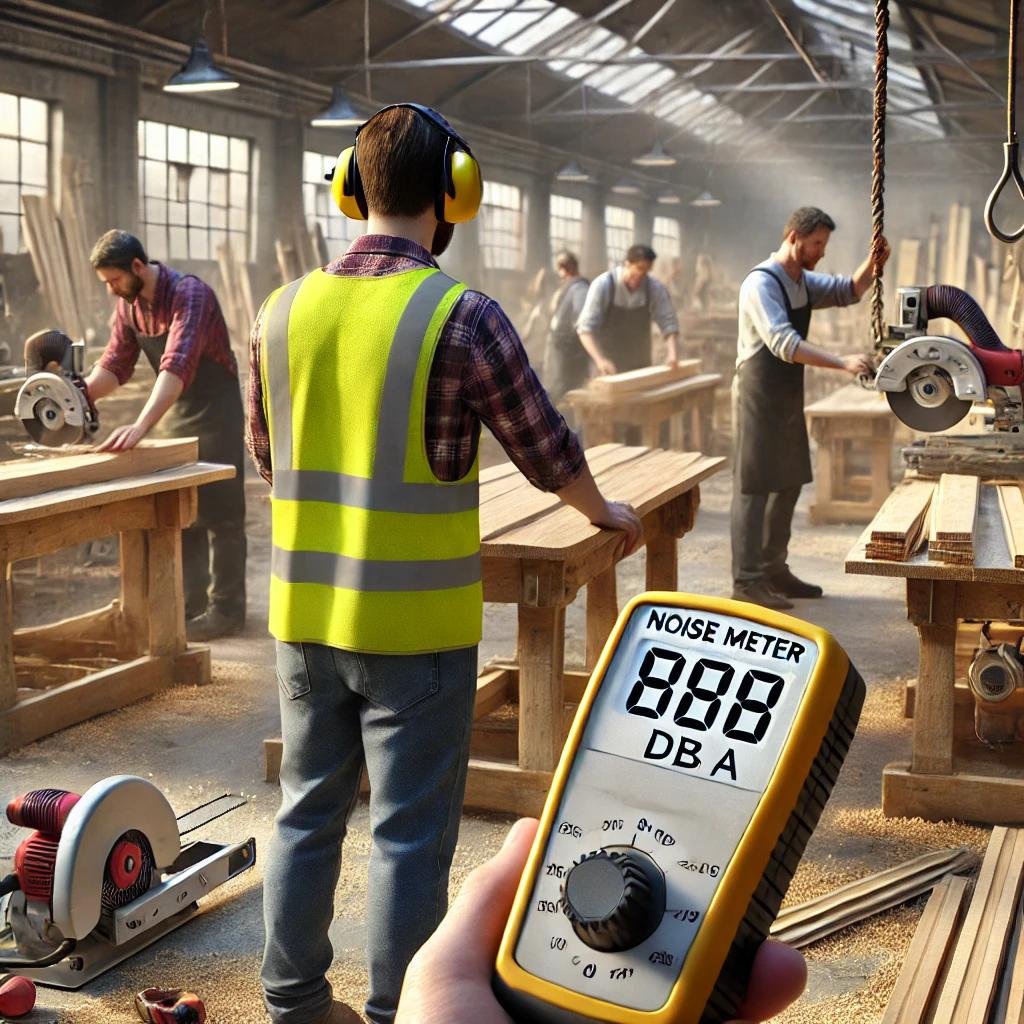
Some may have a noise meter with them. They will not be doing an assessment but may use it to confirm there are potential concerns about noise.
And one for the future - RIDDOR will be changing at some point as the HSE have consulted on noise induced hearing loss becoming a reportable issue. if the HSE are seeing reports of staff in a company showing a pattern of possible noise-related hearing issues they will use that as an indication that the noise risk assessment needs to be looked at.
If they have any concerns about noise they will ask to see your noise risk assessment.
If you don’t have one they will usually send you a letter. For a mild concern it may be a general advice letter saying what they think you should do but without asking for any reply to them. They will check it on future visits.
For slightly stronger concerns they will send a Notice of Contravention (NoC) letter, often commonly referred to as a ‘Fee For Intervention letter’ which says you need to get a noise risk assessment in place. More often than not there will be a time frame given and they will either want you to confirm one is now in place, or more commonly send it to them to review.
Practically speaking, treat both letters the same and deal with it, don’t set it aside.
Sometimes they will send an Improvement Notice which is a stronger document legally, but a Notice of Contravention letter is the most common initial approach.
Step 1: noise assessment, Step 2: noise risk assessment
This often has non-safety people shaking their heads in bafflement, but there is a difference between a noise assessment and a noise risk assessment. The noise assessment is the first step of what you need to do, and then the noise risk assessment is the final outcome which is needed.
The noise assessment
This is where you need to start and a workplace noise assessor such as myself will provide you with the noise assessment.
A noise assessment identifies the noise risks, measures it, tells you what the noise exposures are, assesses if hearing protection is needed and checks if any present is suitable, looks at who needs things like noise safety training or health surveillance based on what the Noise Regs say, and makes some recommendations for possible noise control measures which could be used.
The noise risk assessment
The noise risk assessment takes the information from the detailed noise assessment and recommendations someone such as me provides and says what you are actually going to do about it, and when you will do it.
To be clear, no external noise assessment consultant is selling you the noise risk assessment, no matter what a quote says, they simply can’t. We can tell you what the noise is and recommend what to do about it, but only the employer can say what they are actually going to do, who will do it and when as that depends on your people and your business planning.
So your first job is getting a noise assessment - measuring the noise and getting the recommendations of what to do about it.
Getting the noise assessment done
There are a few steps here, starting with getting the quote in. You should do this promptly as the Fee for Intervention letter will usually include a deadline for responding to the HSE Inspector concerned.
Getting a noise assessment quote
Most suppliers, me included, tend not to put prices online. That’s mostly as it can quickly become quite impenetrable when trying to account for every variable which a particular client may have such as size of site, number of people exposed to noise, different noise on different shifts, etc. So contact a few and ask for a price.
Getting the quote: mention the HSE are involved
I would personally recommend in the quote request that you mention the HSE are involved.
My reasoning is that this is an initial filter of the good and bad potential suppliers. Noise can seem an impenetrable area if you don’t work in it and a lot of companies are understandably not entirely sure of what they are asking for when requesting a noise assessment to be done.
If you say the HSE are involved and unwittingly contact one of the ‘less salubrious’ noise assessment consultancies out there, they will run a mile if they think there is a chance of the HSE coming back to jump on them for an inadequate assessment. You may as well use it as a bit of heft to make sure you are getting a decent supplier in.
Getting the quote: if you aren’t sure what to ask for you can use an AI to help
I’ve been doing workplace noise assessments for a long time and for most of that time a quote request was usually ‘we need a noise assessment doing, can you let me have a price please'?’. There is nothing wrong with that but if you are unsure then an AI can help.
I increasingly see quite detailed quote requests coming in which have been written with an AI’s help, specifying exactly what the potential client is asking for.
If the AI goes a little awry, as they can sometimes do, a good potential noise assessment supplier will flag it and explain why which also lends credence that they know what they are talking about.
Getting the quote: look at the noise assessor’s competence
This can be a little nebulous as there is no defined qualification in law other than to say someone should be competent, but I would recommend:
Ask for a sample report. Is it a load of baffling numbers with little explanation, or is it telling you exactly what you need to do next.
Look for things like Institute of Acoustics certification alongside things like a NEBOSH Diploma, that can be on their website or in their quote documentation, or just ask for it separately.
Look for an indication of experience in noise assessment specifically.
I’d be a little less swayed by corporate umbrella memberships of professional bodies and more interested in the personal competence of the individual who will actually be coming to do the noise assessment. It’s no good the overall company being a member of some organisation if the person coming to the site is a bit on the hopeless side.
If you have contacts with other companies on your industrial estate, ask who they have used, or the same if you are a member of any trade bodies.
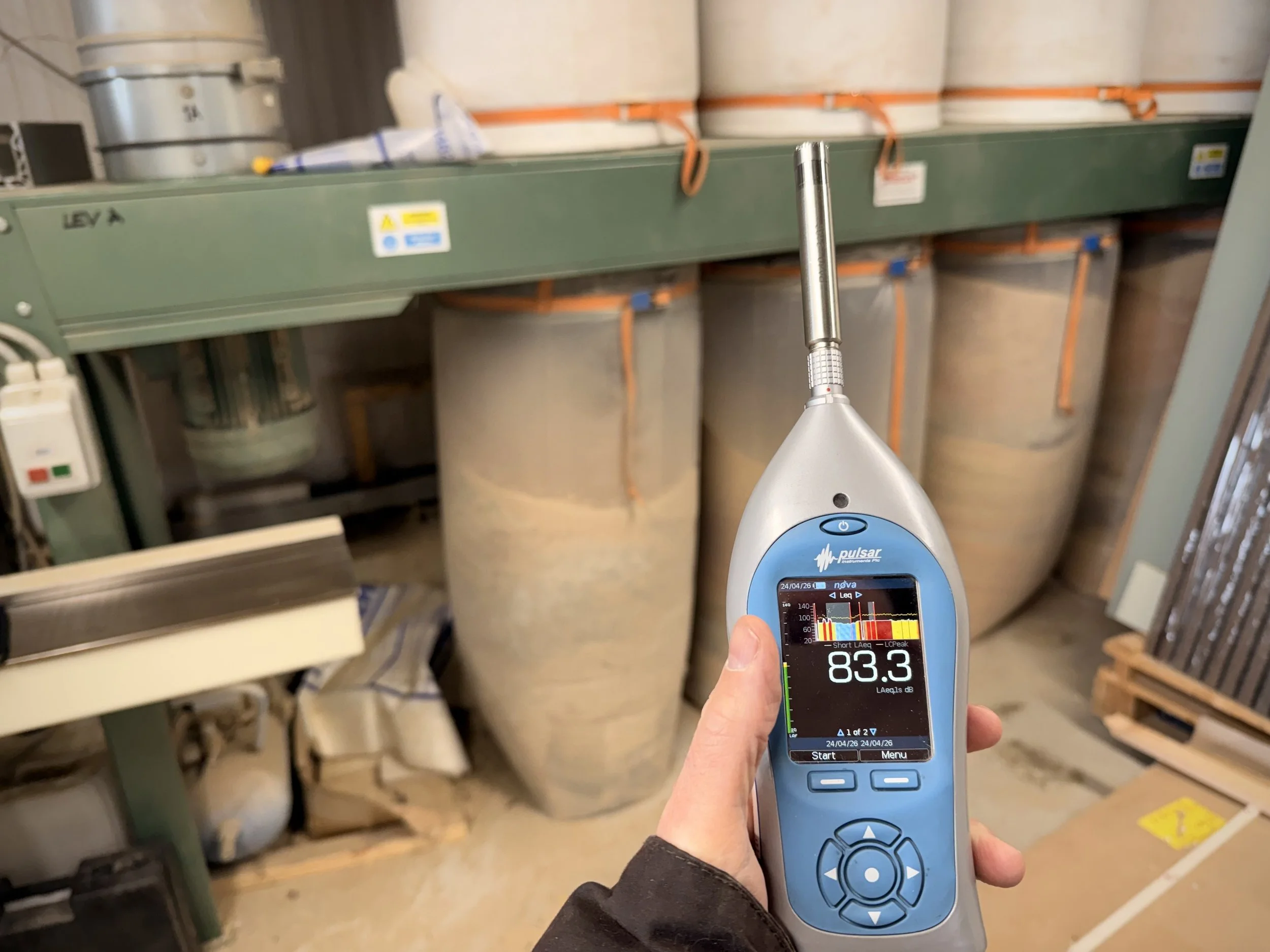
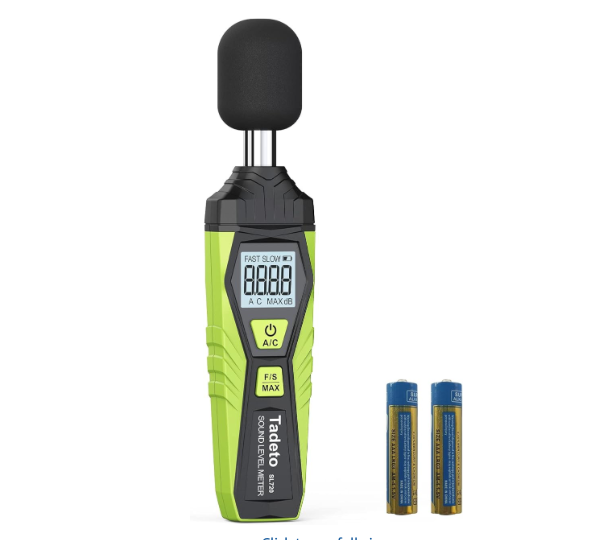
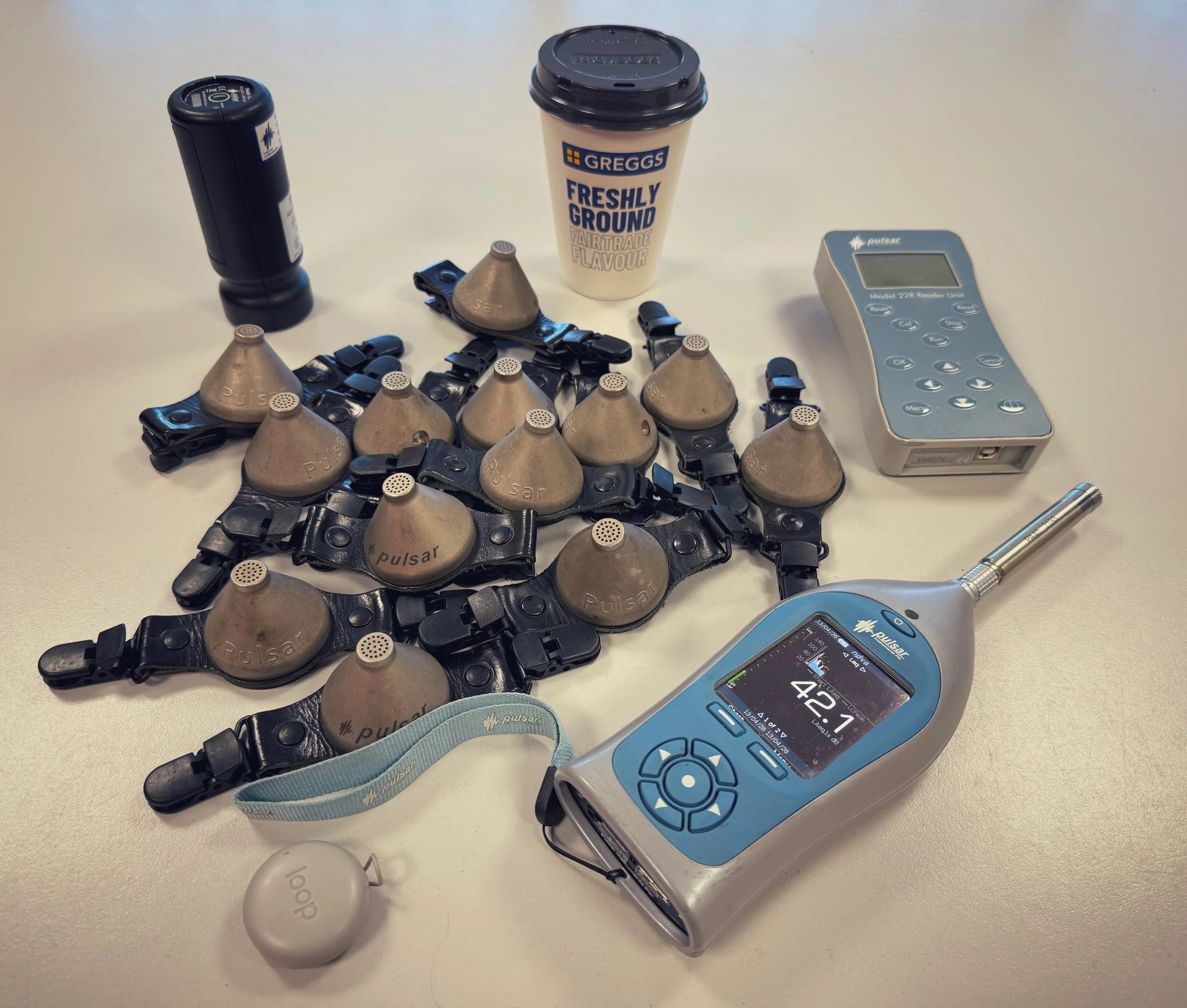
You can ask what equipment they will use as a guide to competence. (I have information on this page covering what standard a noise meter must meet as I don’t expect companies to know this stuff, but being aware of it can help). I raise this as I was asked to do a noise assessment by a company who had paid for an external assessment, then the HSE visited and found the assessment to be useless. It had been done using a noise meter costing something like £30 on Amazon and wasn’t remotely close to being suitable.
That page linked above also has information on competence for a noise assessment as well as the meters themselves which may be of use to you.
Comparing quotes
This is a little tricky, but don’t be swayed by how long a company says a noise assessment will take - more time on site is not the same as a better noise assessment. What is important is that all the relevant measurements are made and data obtained, not how long they are there. A longer time on site can be used to get the quoted rate up though.
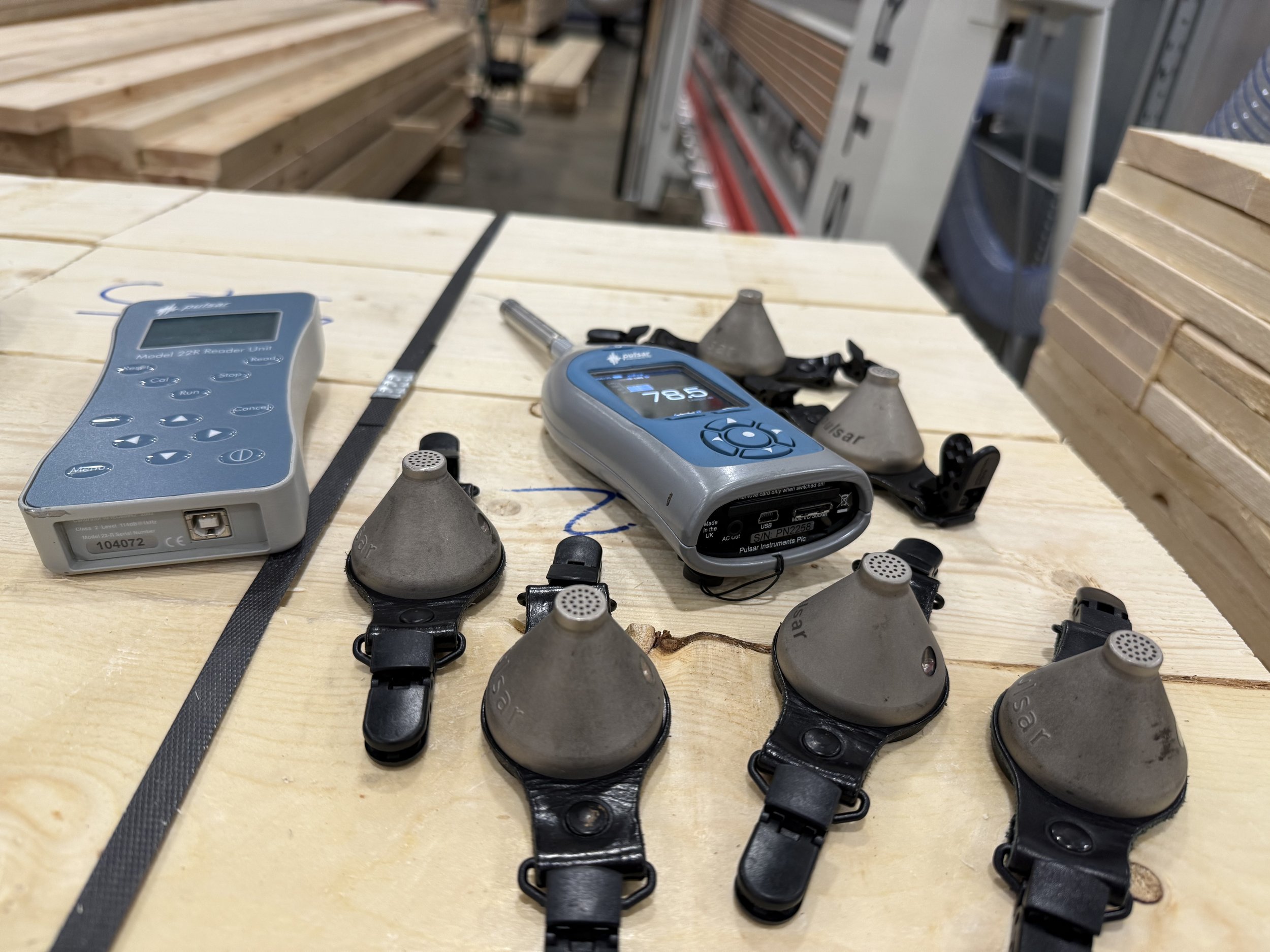
Someone using 15 noise meters will do far more data gathering in half a day than someone using three noise meters will do in two days. The amount of data gathered is what matters, along with ensuring that it is covering all the relevant patterns in the noise generation on site, not the actual time it takes to do.
What if lead times are longer than the HSE’s deadline?
The HSE will often give you a deadline to get back to them which is usually a default one they use, but they are understanding that lead times can come into play.
If a noise assessment provider is good at what they do they probably won’t have availability to come over immediately. If a noise assessor has short-notice availability, like any tradesperson frankly, I would wonder why as surely the good ones should be busy?
The HSE understand this. If you choose an assessor and the lead time is longer than any specific time the HSE have given you, that is OK. You can go back to them confirming the booking has been made, tell them who with, and that way they know you are acting on their requirements. What they want to know is that you are addressing the issue as soon as you practically can and not ignoring it.
In the meantime…
While you are waiting for any booked noise assessment to take place, there are things you can do:
Look around the production area, are there any obvious maintenance issues which are contributing to the noise risk.
Check that hearing protection is available and if you have reason to think it is indeed noisy in there (some ways to do this are here) then make sure everyone has it and everyone is using it. If the subsequent noise assessment comes back saying it need not be mandatory then at least you have over-done it for a short while rather than risking under-doing it.
Make sure you are aware of what the Noise Regs say the obligations are for an employer to manage noise risks. This page has a summary of the employer’s obligations for noise safety.
You need a plan, not perfection, before replying to the HSE
This is your next step after the noise assessment is done - decide what actions you are going to implement and when.
I want to highlight this as it is something I see companies tying themselves up in knots over, assuming that everything has to be assessed and fully implemented before they reply to the HSE. This is not the case, some things do need to be done quickly, some can be planned.
This is probably explained best by way of an example. A site with a lot of CNCs was visited by the HSE and the Inspector wrote to them requiring a noise risk assessment to be in place.
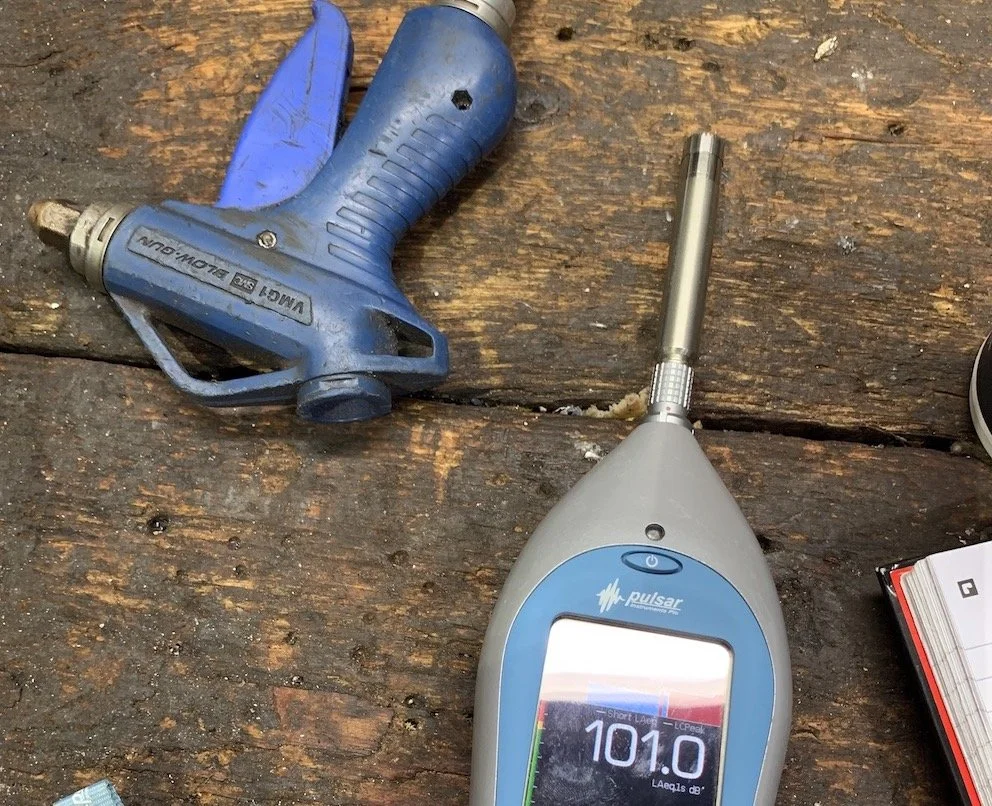
The company asked me for the noise assessment which was done, confirming that the noise was around 88 dB(A) so over the upper action value, but in their case the noise was mostly coming from the air guns used at the end of each CNC cycle rather than the CNCs themselves.
They went back to the HSE afterwards sending them my report which confirmed the noise levels and that the hearing protection in place was suitable for the noise risk. They also sent back their noise risk assessment which said that health surveillance was going to be booked to take place within the next two months, and that within the next 12 months they would trial low-noise air gun handles to replace the existing ones.
That is a good approach - nobody expects everything to be in place within a matter of weeks. They addressed the immediate issue of getting a noise assessment in by the assessment confirming the hearing protection was suitable the immediate risk was being mitigated. They then also showed ongoing management planning for the health surveillance as a priority issue, and then the air gun replacement as a planned capital expenditure over a longer term to physically reduce noise levels.
In this specific example, the HSE were happy with their response.
Do your final noise risk assessment
Please don’t over-complicate this. The noise risk assessment is very simple - once you have a noise assessment in place the noise risk assessment takes a few minutes to do.
The vast bulk of the work is already done for you by a consultant such as me in the noise assessment. The noise risk assessment doesn’t need to repeat all the information on the noise levels in the actual noise assessment document, you can just refer to it.
I have a free noise risk assessment template you can use.
The noise assessment says things like ‘this group of people need noise safety training’, or ‘these people need health surveillance’, or ‘this is a useful way to reduce the noise levels’, etc. The noise risk assessment is saying when you will do the training and when it is reviewed, same with the health surveillance, or when you plan to look at and implement any noise reduction measures.
What to send back to the HSE
They will usually specify in their NoC letter exactly what is needed, but from experience most HSE inspectors want to see the noise risk assessment and this is what you need to send to them. You may also send the larger noise assessment document itself as well as that’s where all the key detail on the noise levels are contained and they can use it to confirm that the basis for the identification of the noise risks is solid.
FAQ: what to do if the HSE ask about noise assessment
Do the HSE always ask about noise on every visit?
Not always, no. Sometimes it may be a general visit and as they think noise is possibly an issue they will ask about it. Other times though they may be visiting as part of a specific wider programme. The HSE often have priority areas which they are concentrating on so could visit to look at a specific issue such as dusts and not mention noise on that occasion.
Don’t take that lack of enquiry about noise as confirmation that they are happy with the noise and if you don’t have a noise assessment in place, or it is a few years old, update and renew it.
The HSE have given me a deadline which seems too short to meet, what do I do?
Their priority is to make sure an employer is doing what they should be doing under the Noise Regs and the HSE’s guidance in L108.
If you can’t meet the deadline they are usually reasonable, honest, and if you go back to them confirming a booking has been made and that you are acting on their instructions then that is what they want to see.
Good noise assessors are often busy noise assessors and lead times do change over a year with busier and quieter periods. (Don’t ask why as I’ve never understood it, but February, August and November are always mad busy!)
If you have an Improvement Notice then that is a little different as these are a far stronger legal document. To get to this you usually need to have a huge noise risk and really have been negligent in ignoring it despite the noise risk being obvious, or you have not responded to a previous letter from the HSE so it has been escalated. You should meet the deadlines in an Improvement Note, or if there are genuine issues you need to speak to the Inspector concerned directly to get any approval to extend it.
More help and advice on noise assessments





Article last updated: November 2026