


Advice on managing noise risks at work
A series of blog articles giving advice on managing noise risks in UK workplaces for compliance with the UK’s Control of Noise at Work Regulations 2005, from an experienced occupational noise assessor.
Managing noise risks at work, all about noise assessments, selecting hearing protection and issues experienced with hearing protection, training and legislative needs, health surveillance issues and how to practically manage it..
Noise assessments ● Noise surveys ● Hearing protection ● Health surveillance ● Noise Training
For a specific subject area, try the search box
Short subject-specific advice on various aspects of managing noise safety at work.
All advice and articles are written by me, The Noise Chap, a specialist noise assessor with over 30 years of experience in workplace noise assessment, including 20+ years now as a noise assessment consultant working in all industries across the UK.
I hold certification of competence in workplace noise assessment from the Institute of Acoustics, the NEBOSH Diploma and am certified in workplace hearing testing and a member of the British Society of Audiology.
The articles cover the noise assessment process itself and how to manage various aspects of managing workplace noise risks, including health surveillance and hearing protection, delving into very specific questions such as hearing protection for workers with pre-existing hearing losses, and including practical advice and examples to help employers comply with the Control of Noise At Work Regulations 2005.
All content is based on UK law and on the HSE’s L108, Controlling Noise at Work (Third Edition).
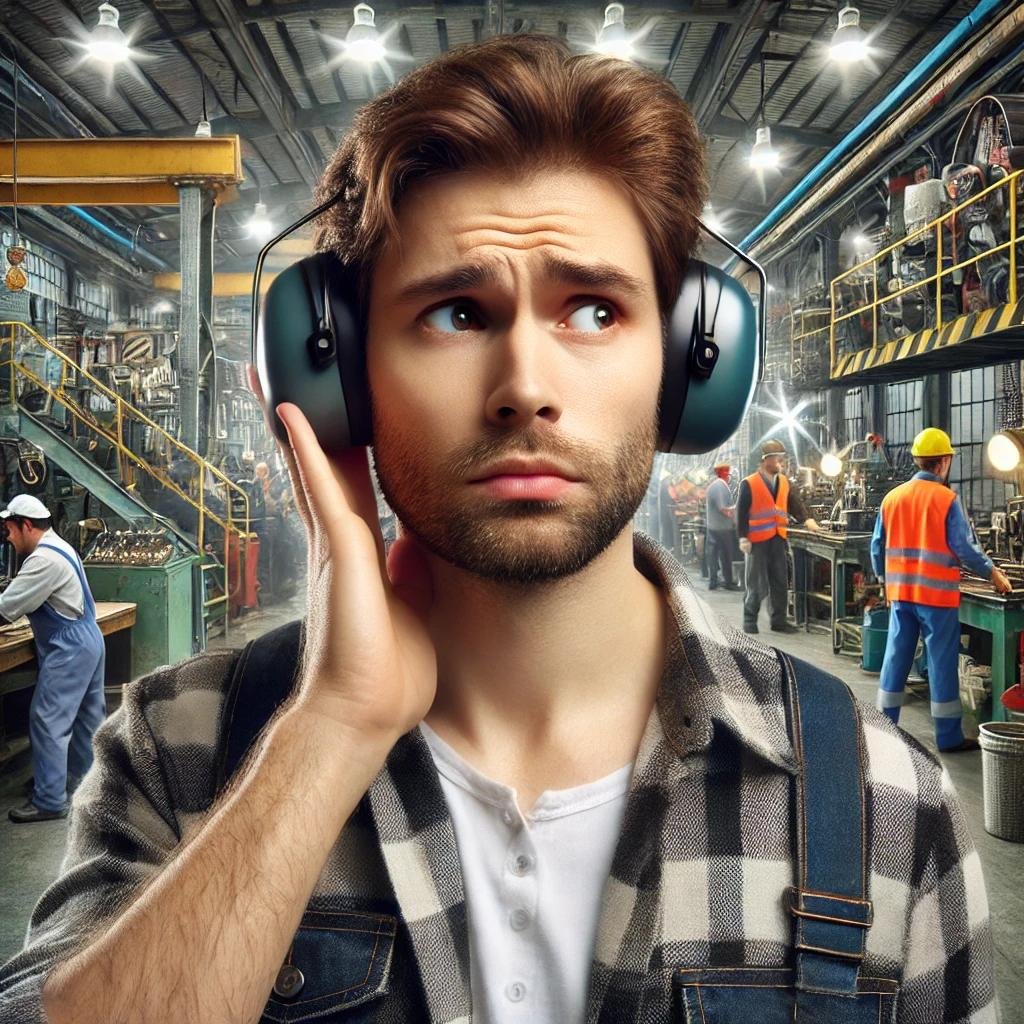
Over-protection - what are the issues?
Over-protection often comes from well-meaning employers buying the strongest hearing protection they can find - hearing protection with the highest SNR. They mean well but it often actually increases risk and for the employer, means more of the money they spend on hearing protection is wasted.

Hearing aid users and hearing protection in high noise areas
A common issue following a noise assessment concerns people who wear hearing aids but who also work in a high noise area so fall into the requirements for hearing protection to be worn. This is some advice on how to manage it.
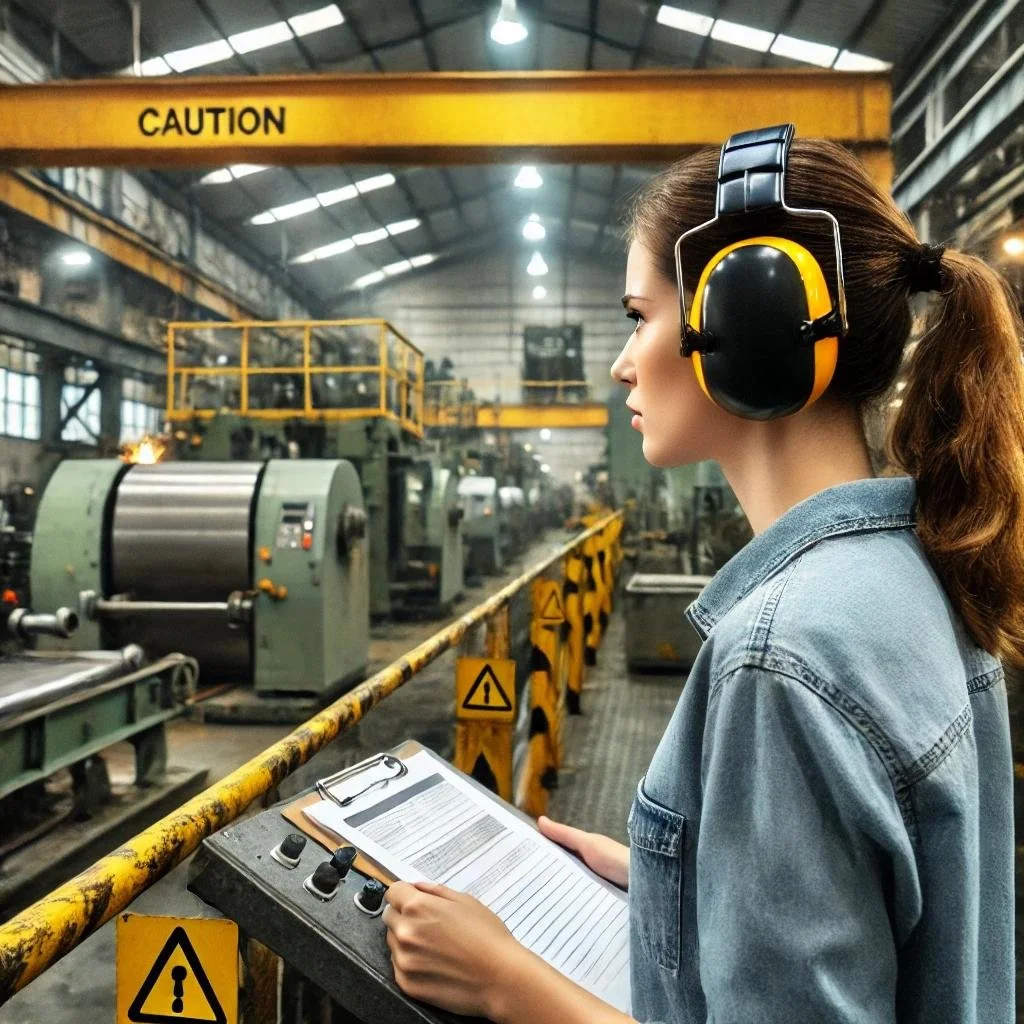
Is the price of hearing protection linked to how good it is?
Hearing protection comes in a very wide range of prices, but is price consistent with ‘better’ hearing protection?

Noise safety training requirements following a noise assessment
A noise assessment will measure your noise risk levels, and anyone who has a noise exposure of 80 dB(A) or 135 dB(C) or more has to be included in a noise safety training programme. The HSE are very specific on what the noise safety training provided by employer should include.

Stereo or music noise in the workplace
Stereos at work can be important for employees, but when can you have stereos and when should they not be permitted, and how loud should stereos be at work?
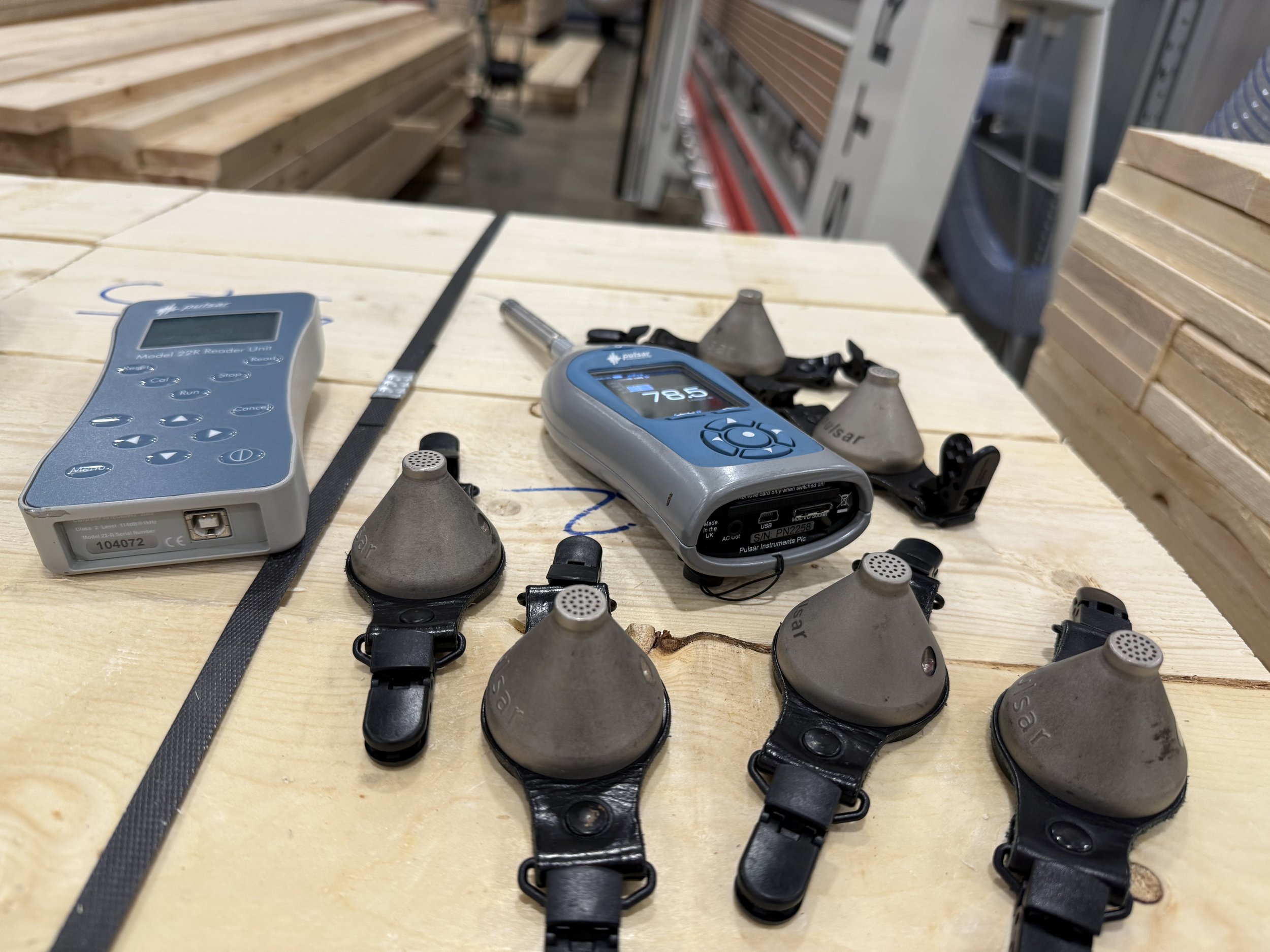
Noise assessments - how it works on the day
How a noise assessment works on the day - what a client can expect. Covering everything from arrival on the site to measuring the noise levels and what a client needs to do.

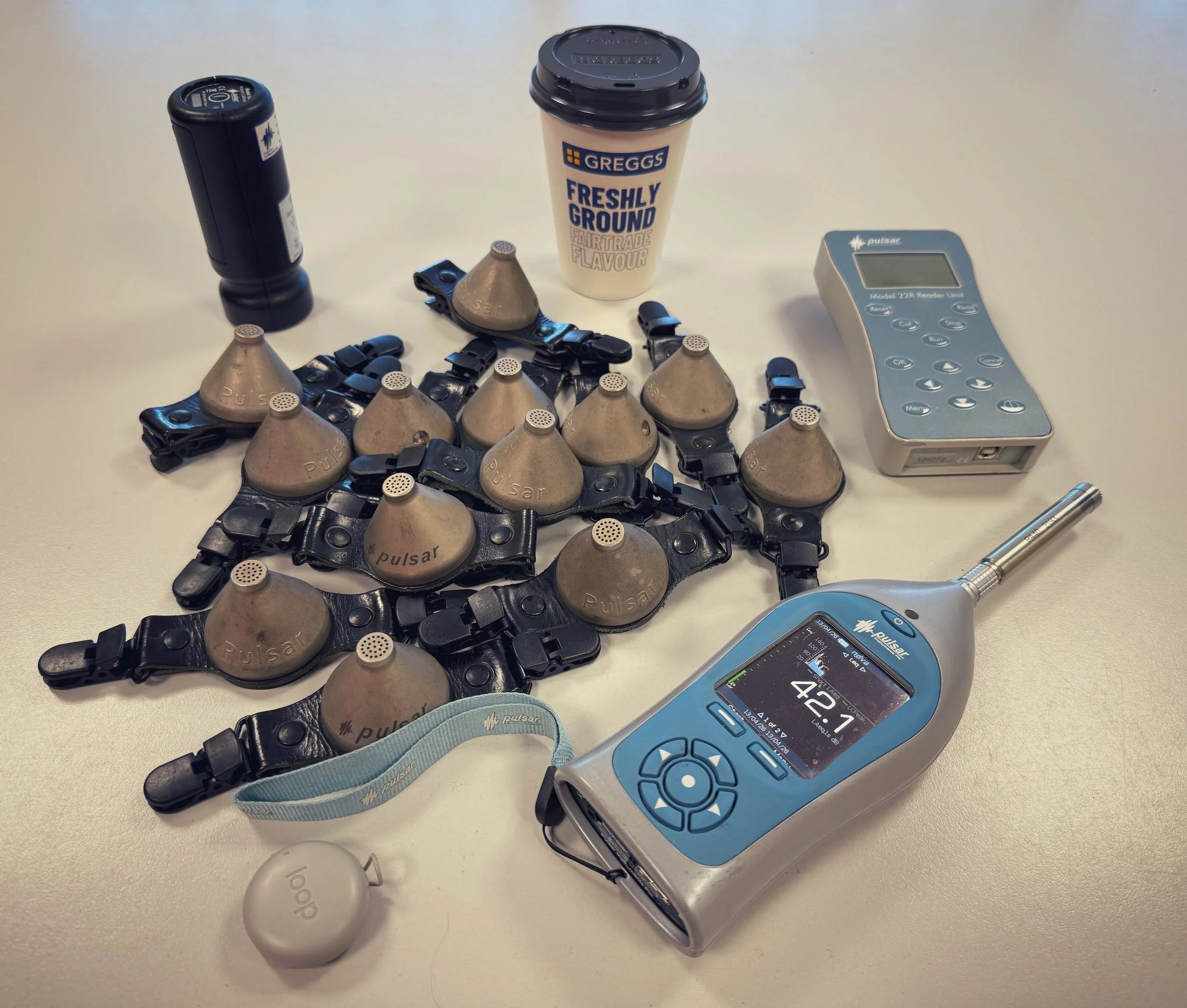
Types of noise meter used in a noise assessment
There are two basic types of noise meter, hand-held and wearable, (also called dosimeters or dosimeters). Wearables have a use but care is needed with them, especially if they are going to be used as the primary means of gathering data in a noise assessment.

How long should a noise assessment take?
A common question is how long a noise assessment will take on a site. It is influenced by a few things such as variation in work on the site, production cycles and number of people present. These are the factors influencing how long a noise assessment takes place on the day.
The employer’s obligations for noise safety
Employers must manage noise risks in their workplace, but what they need to do depends on how loud it is. This describes what is needed depending on the findings of a noise assessment.
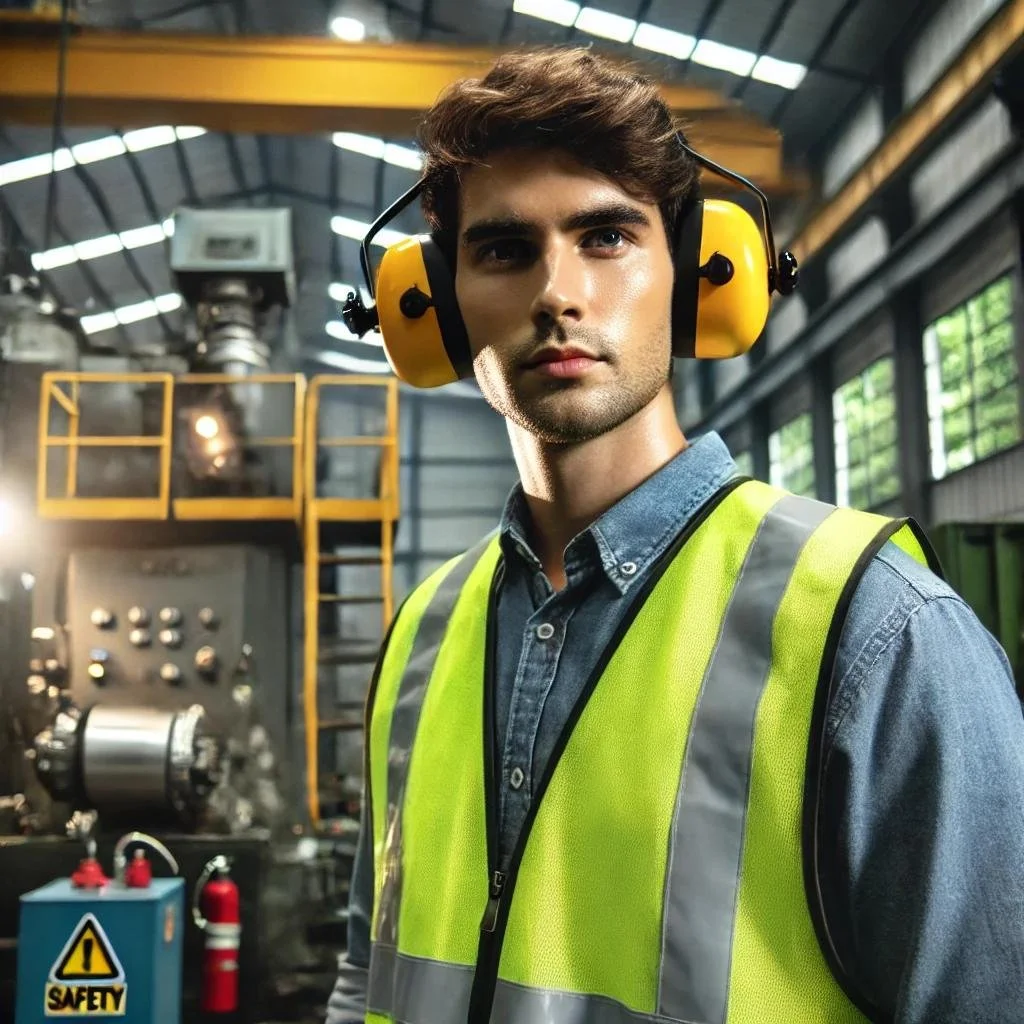
Can disclaimers be used to not wear hearing protection?
Often people offer to sign a disclaimer saying they accept the risk of hearing damage from not wearing protection, or they produce a letter from a doctor saying they do not have to wear it, but both are no good.

Are noise-sensing illuminated signs any use for noise safety?
The short answer is no, illuminated noise safety signs are not useful, and in many cases simply mislead. They have no part in a noise assessment. The article explains more about why this is the case.

Do ear plugs cause infections?
Sometimes people will say using ear plugs causes them to get ear infections, but do ear plugs actually cause infections? Short answer, no. Dirty hands putting them in, that can cause an infection, but not the plugs themselves.
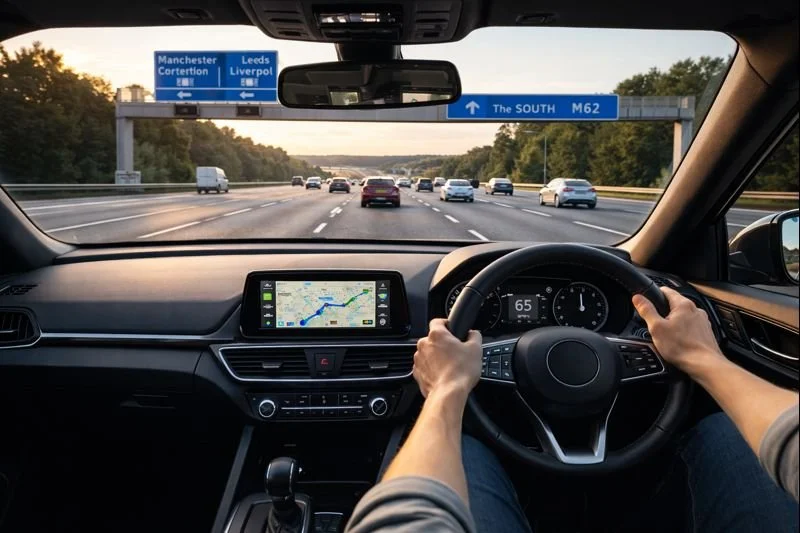
Driving for work and noise exposures
One of the grey areas of noise safety is noise exposure while driving for work. By drivers I mean anyone driving as part of their job so the obvious ones like van or HGV drivers, but also driving around in a car or van - managers on site visits, sales reps, any person driving between sites or to customer sites, etc.

How often does hearing testing have to be done?
One of the key elements of a noise assessment is identifying who needs to be included in what the HSE call ‘health surveillance’, a slightly Orwellian way of saying ‘hearing testing’. It has to be repeated and this is a guide to how often.
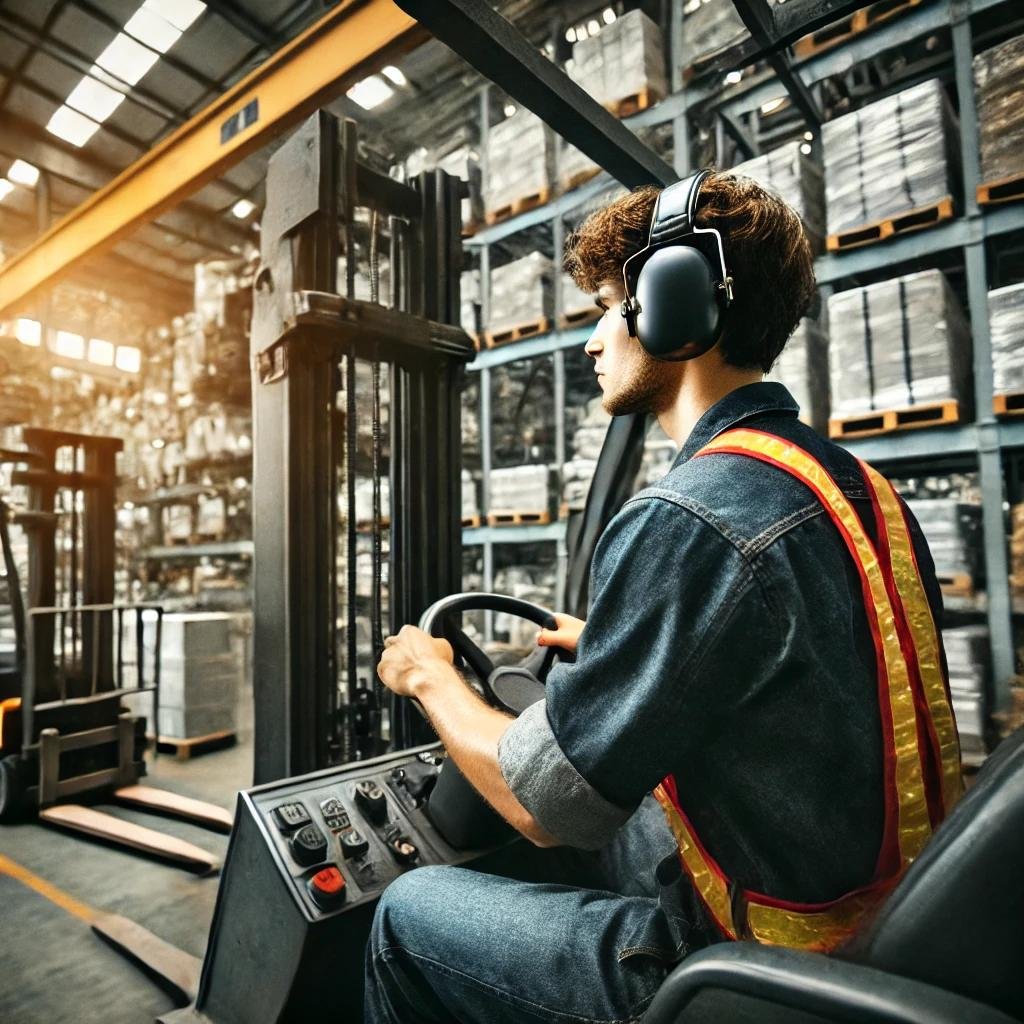
Do forklift drivers have to wear hearing protection?
There is no exemption from the need to wear hearing protection for forklift drivers. High noise will have the same impact on them as on any other person. Their hearing will still be damaged by noise.

Noise levels in an office
A common question which comes up on noise assessments is what classes a dangerous noise in an office environment, with people asking what the safe levels are for noise in offices. The issue is often more about distracting noise rather than dangerous noise.
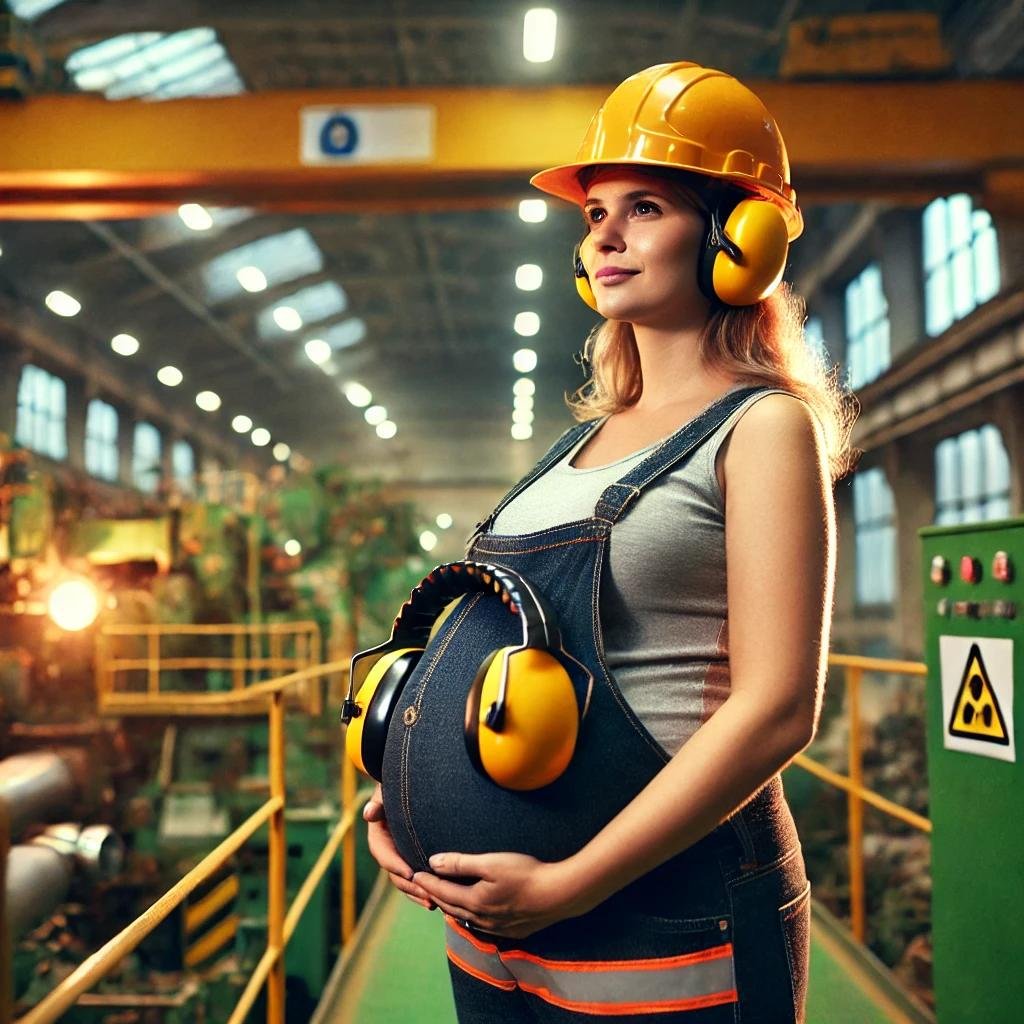
Risks to pregnant women and unborn babies from high noise
A client recently asked me if pregnant women are OK to work in an environment with a noise level which is considered ‘high’, so over 85 dB(A), or whether the noise can cause risk to either the pregnancy or foetus. That was an interesting one so I looked into it further.

Best hearing protection for riding a motorbike?
Noise levels can be very high when riding a motorbike - easily in the mid-90s dB(A) which can damage hearing. Ear plugs need to be enough to remove some of the noise but not isolate you from traffic, and they need to be soft and not painful under the helmet. These are some recommendations.
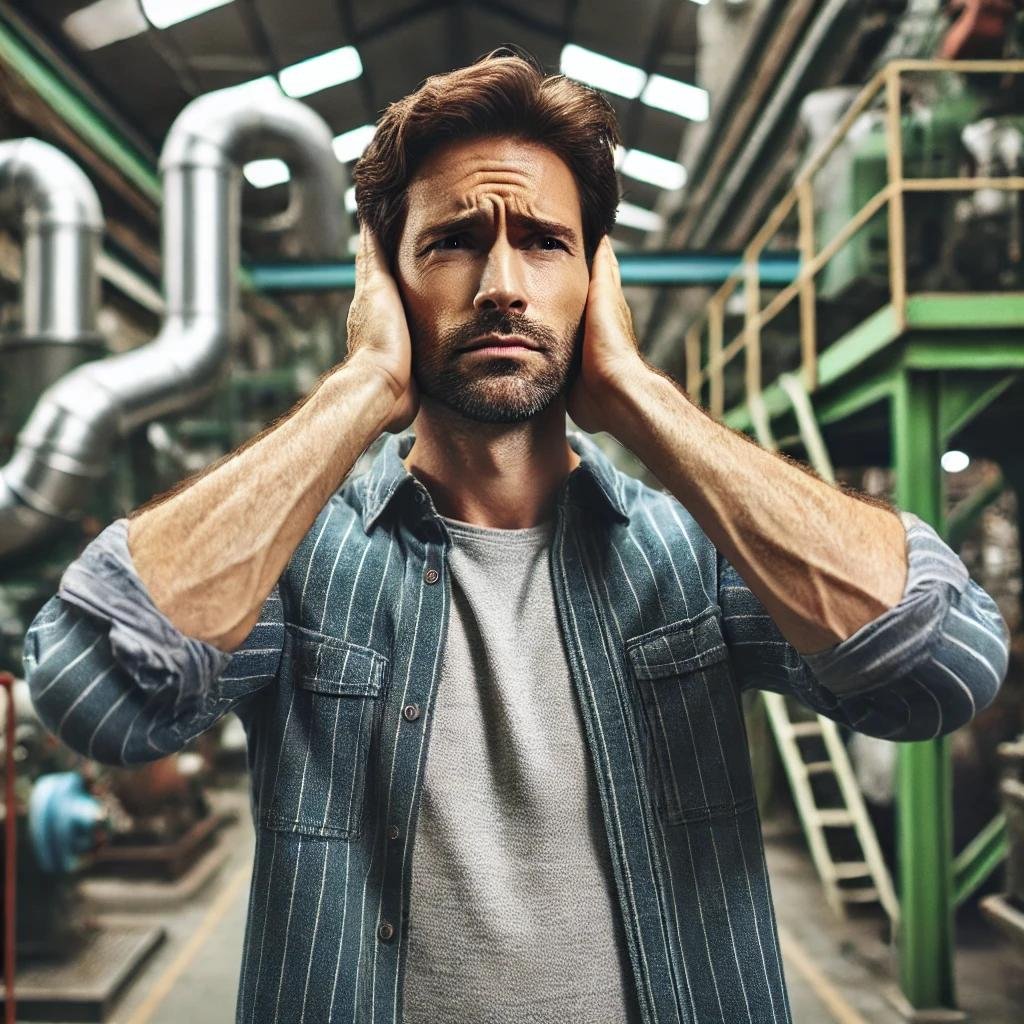
Can ear plugs cause tinnitus?
Can wearing ear plugs cause tinnitus when worn all day in a factory?

Doing your own noise assessment
There is a temptation when told you need something as nebulous as a noise assessment to buy a cheap noise meter off somewhere like Amazon and crack on yourselves. It is of course possible to do a noise assessment yourself and these are the main point to watch out for and make sure you cover.